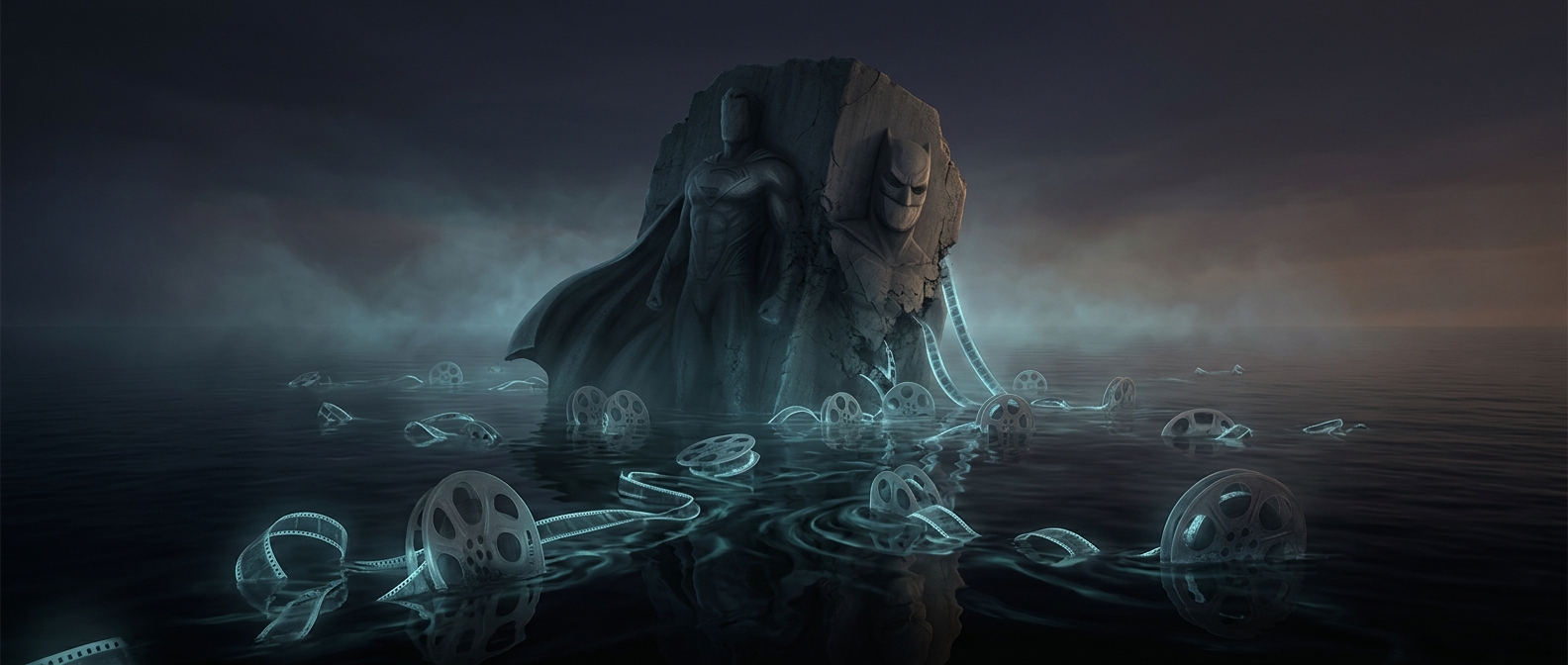
Why a superhero flop can shrink the slate
A cinematic universe is more than a run of sequels: it is a plan for films whose characters and events can feed into one another. That structure promises audiences a larger story, but it also ties a studio’s projects together. A disappointing release can weaken confidence not only in that character, but in the next installment and the crossover films meant to connect the slate.
The financial risk is therefore cumulative. Each planned movie needs its own budget, marketing and audience; a shared universe does not guarantee that viewers will show up for every chapter. When results fall short, studios have reason to question whether the next film can earn enough to justify its cost—or whether it will make sense to audiences who missed earlier entries.
Canceling early is a business decision
A project can be dropped while it is still being developed, before filming begins. That can mean losing work already done on scripts or plans, but it avoids committing far more money to production and promotion. Studios may instead favor a standalone story, a smaller slate, or projects with a clearer route to audiences.
That makes a cancellation different from a movie being pulled after completion: often, there is no finished film to release. The change is visible less as one dramatic shutdown than as fewer interconnected bets on the calendar—and, potentially, fewer obligations for viewers to follow every chapter to understand the next one.