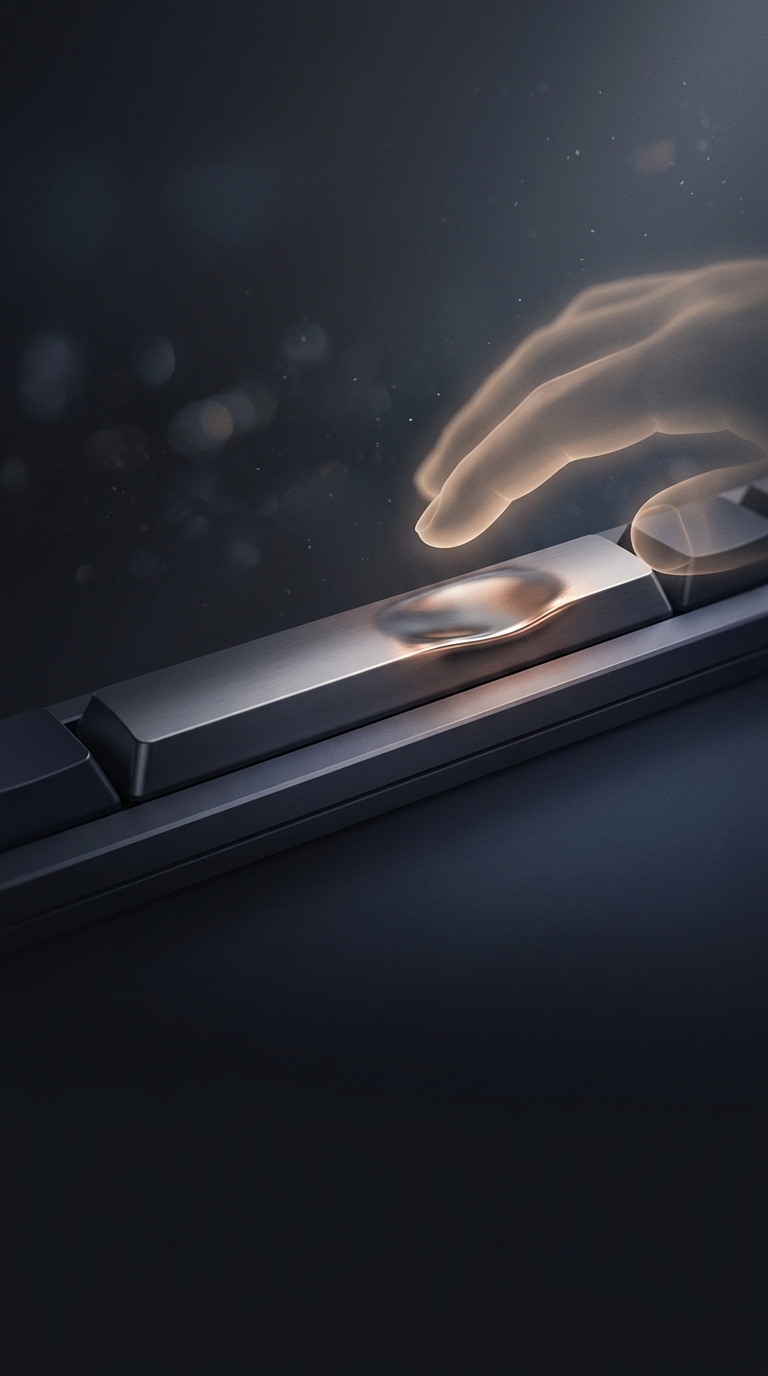
Why a Spacebar Can Shine More on One Side
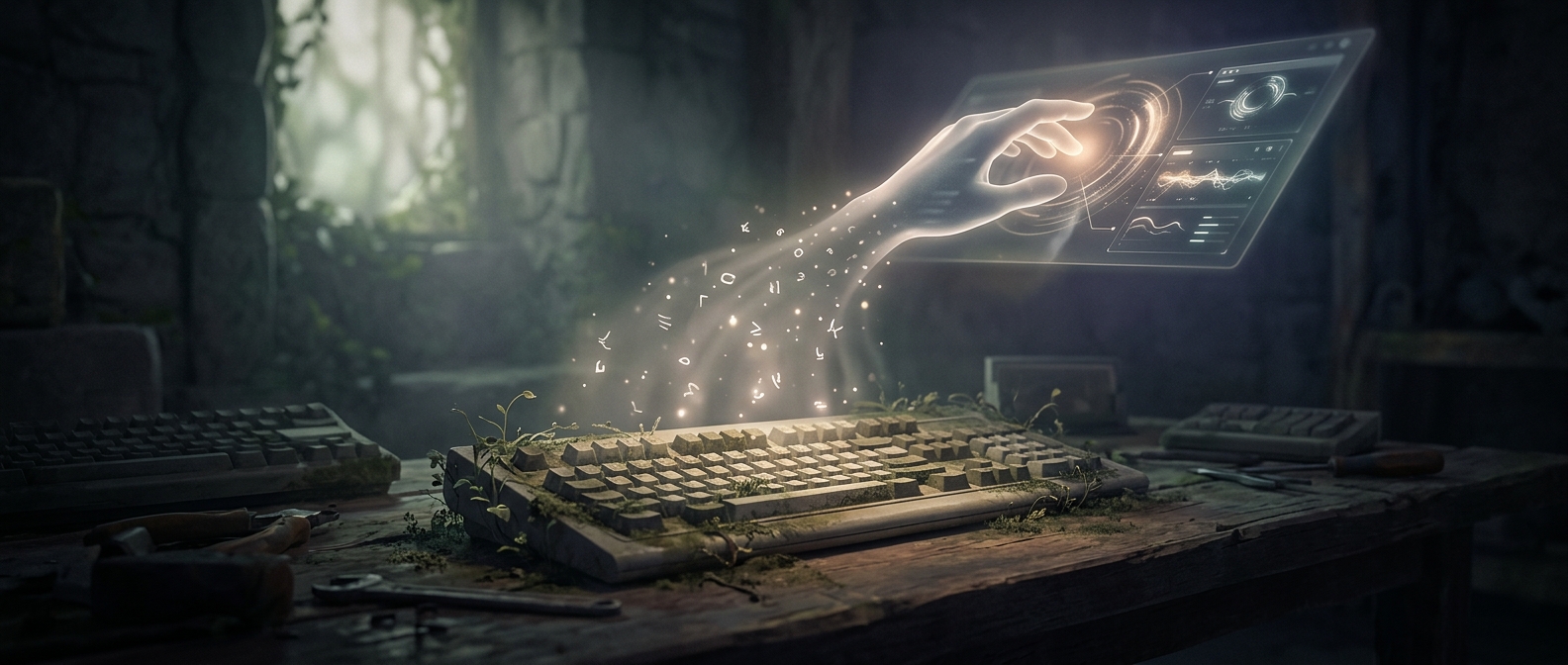
A spacebar records thousands of tiny habits. Each time a typist inserts a gap, a thumb presses the long key; over months and years, repeated contact can polish the plastic, wear its texture, or leave one area looking shinier than the rest. The key’s stabilizers keep it from tipping, but they do not make every press land in the same place.
Many typists strike the bar off-center, often with the right thumb. That can concentrate contact on the right half, while someone who switches thumbs or aims near the middle spreads the wear more evenly. The mark is a trace of where a hand tends to land, not a sign that the keyboard mechanism is failing.
A Habit That Can Outlast Handedness
Typing conventions may help explain why the pattern is not limited to right-handed people. Some left-handed typists also use the right thumb for the spacebar, a habit that can develop through instruction or simply through copying the common technique. Once learned, the motion becomes automatic: attention stays on the words, while the thumb repeats its familiar path.
The result is that a small patch of shine can reveal more than which hand a person favors. It can show how a practiced movement—often too routine to notice—shapes the wear on a keyboard, one space at a time.