How Japan’s Shinkansen Gets Power at Speed
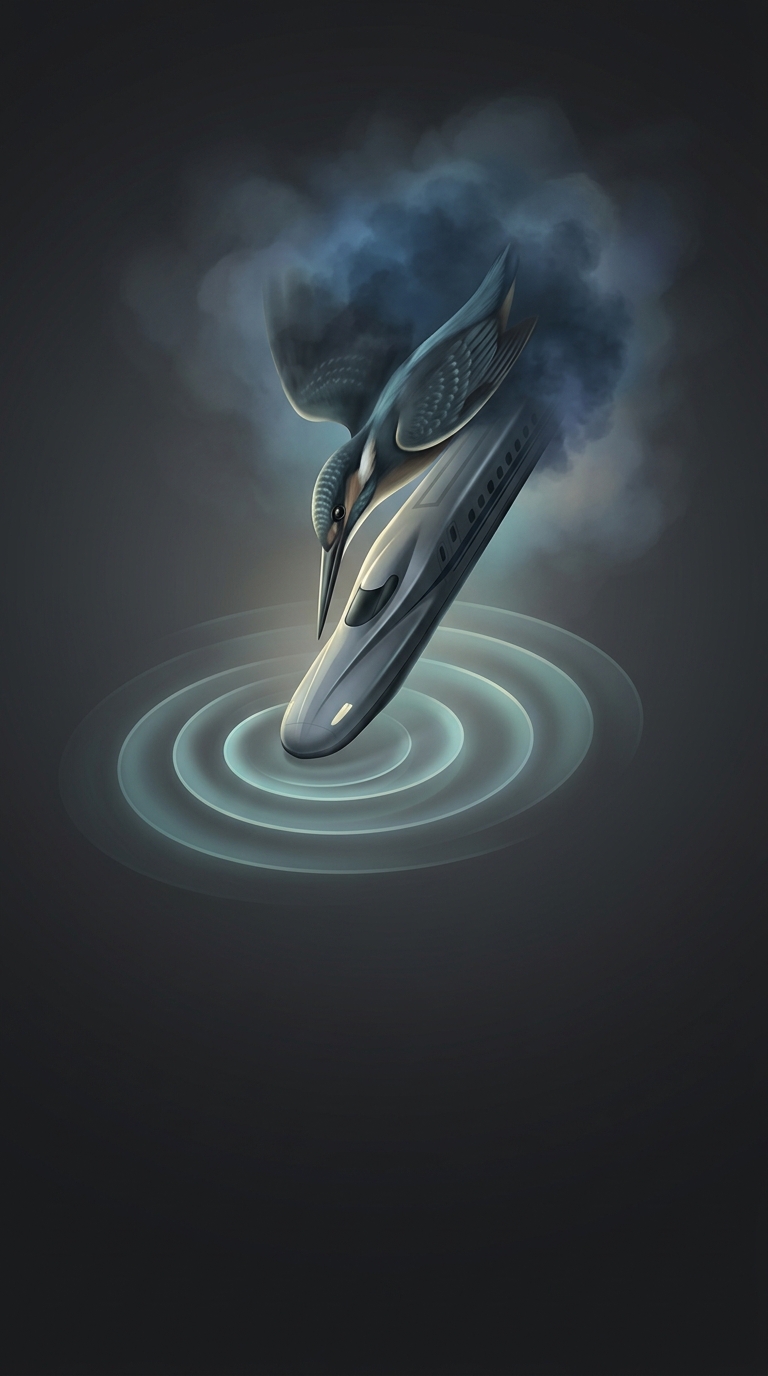
A Shinkansen train takes electricity from wires suspended above the track. A roof-mounted device called a pantograph maintains contact with the wire as the train moves, passing power to onboard equipment that drives electric motors at the wheels. Because the energy comes from outside the train, there is no exhaust plume along the route.
That arrangement shifts much of the engineering challenge from carrying fuel onboard to delivering power reliably. The railway’s electrical system must supply large amounts of energy as trains accelerate, while the overhead wires and pantographs must stay in contact at high speed. Electric motors also allow precise control of acceleration and braking—important when trains run frequently and need to stop at stations on schedule.
Where the Emissions Question Moves
The absence of exhaust is a local benefit: it means the train does not release combustion gases beside tracks, stations, or the neighborhoods it passes through. But electricity still has to be generated, and the emissions linked to that generation depend on the sources feeding the grid. Building and maintaining trains, tracks, and power equipment also require materials and energy.
So the key distinction is between emissions at the point of operation and emissions across the whole energy and infrastructure system. The Shinkansen’s electric drive eliminates the first; judging its overall climate impact requires looking beyond the train to how its electricity is produced.