Why the Bus Has Ribs Along Its Sides
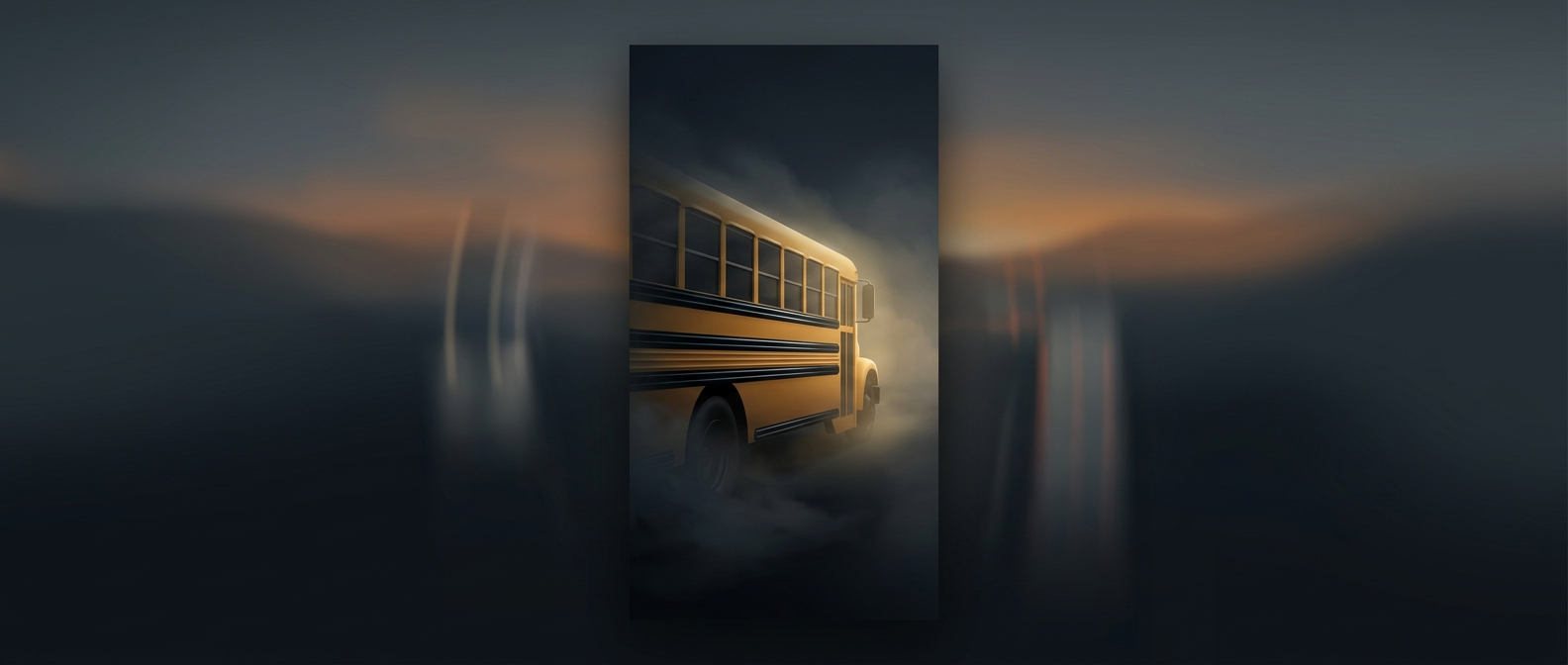
A broad, flat sheet of metal can buckle when a concentrated force pushes against it. The bus’s horizontal rub rails interrupt that vulnerable surface with stiffer strips. They help the side resist bending and spread some of an impact’s force across a wider area instead of letting it press on one small patch of bodywork.
That matters because a side collision can push the outer panels inward. Adding reinforcement along the side helps the body keep its shape, though the rails cannot guarantee that a panel will not deform in a severe crash.
What Happens in a Side Impact
If another vehicle strikes the bus, the rails and the structure they are attached to take part of the load. Depending on the force and angle, a rail may bend, while its connections transfer force into a broader section of the bus. The aim is not simply to keep the rail looking straight; it is to make the side less prone to collapsing at one point.
The rails are one element of the bus’s overall construction, not a standalone shield. Their contribution depends on how the impact meets the bus and how the surrounding body structure responds.
Function in Plain Sight
Because the rails run across the exterior, they can look like trim. But their visible, repeated lines reflect a practical design choice: reinforce a large side panel without turning the whole exterior into a solid wall. Those bands are part of the bus’s structure, helping it resist the inward push that makes side impacts especially concerning.