Why Morrowind Rewards System-Watching
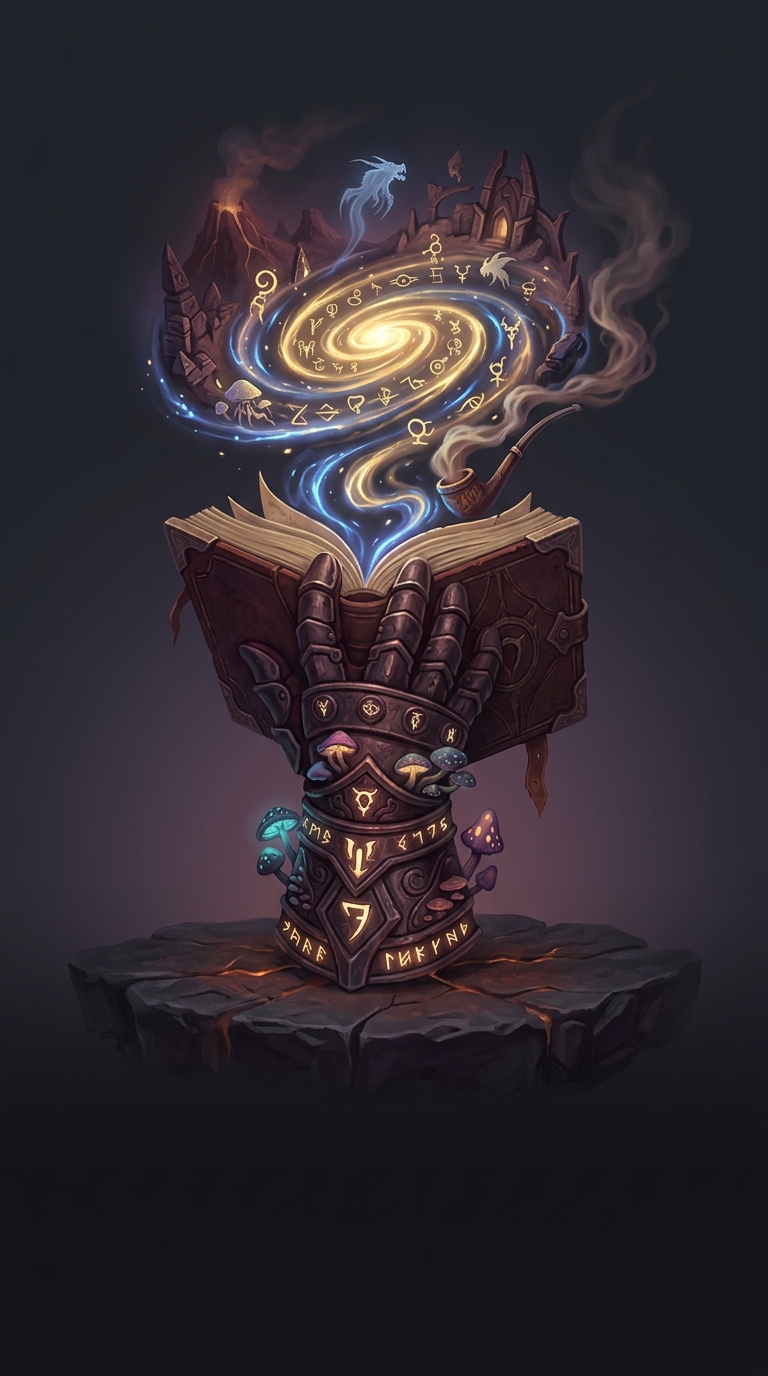
In The Elder Scrolls III: Morrowind, character growth is tied closely to what the player actually does. Use a weapon repeatedly and its skill improves; practice alchemy and that ability develops instead. This makes the rules feel less like a menu of upgrades and more like a record of a character’s habits.
The game also asks players to pay attention to how its systems interact. Alchemy means combining ingredients to produce effects, while fatigue can affect how well a character performs. A plan that looks sound on paper may work differently once those mechanics meet the dangers of the world.
A World That Keeps Giving Players Things to Decode
That same attention to systems extends beyond combat. The island of Vvardenfell is home to the Dunmer, or dark elves, whose rival houses and political tensions give the setting its own history and power struggles. Books and conversations let players piece together that context while deciding where to go and whom to trust.
Then there are cliff racers: hostile flying creatures that can turn an ordinary journey into a fight. They are a memorable example of how exploration in Morrowind is not simply moving between story scenes; the landscape itself keeps interrupting and reshaping the trip.
A social-media post about the game’s mechanics therefore points to a particular kind of appeal: Morrowind invites players to notice, test, and talk about the rules beneath the adventure. Its world is not just something to look at—it is a set of systems to learn while trying to survive in it.