The joke that crossed a religious line
Monty Python’s Life of Brian follows Brian, an ordinary man repeatedly mistaken for the Messiah. Its central joke depends on people confusing a charismatic figure with a savior—and on how readily crowds turn words and symbols into objects of devotion. The film was not a retelling of Jesus’s life, but its setting and religious imagery brought it close enough to Christian belief to alarm some viewers.
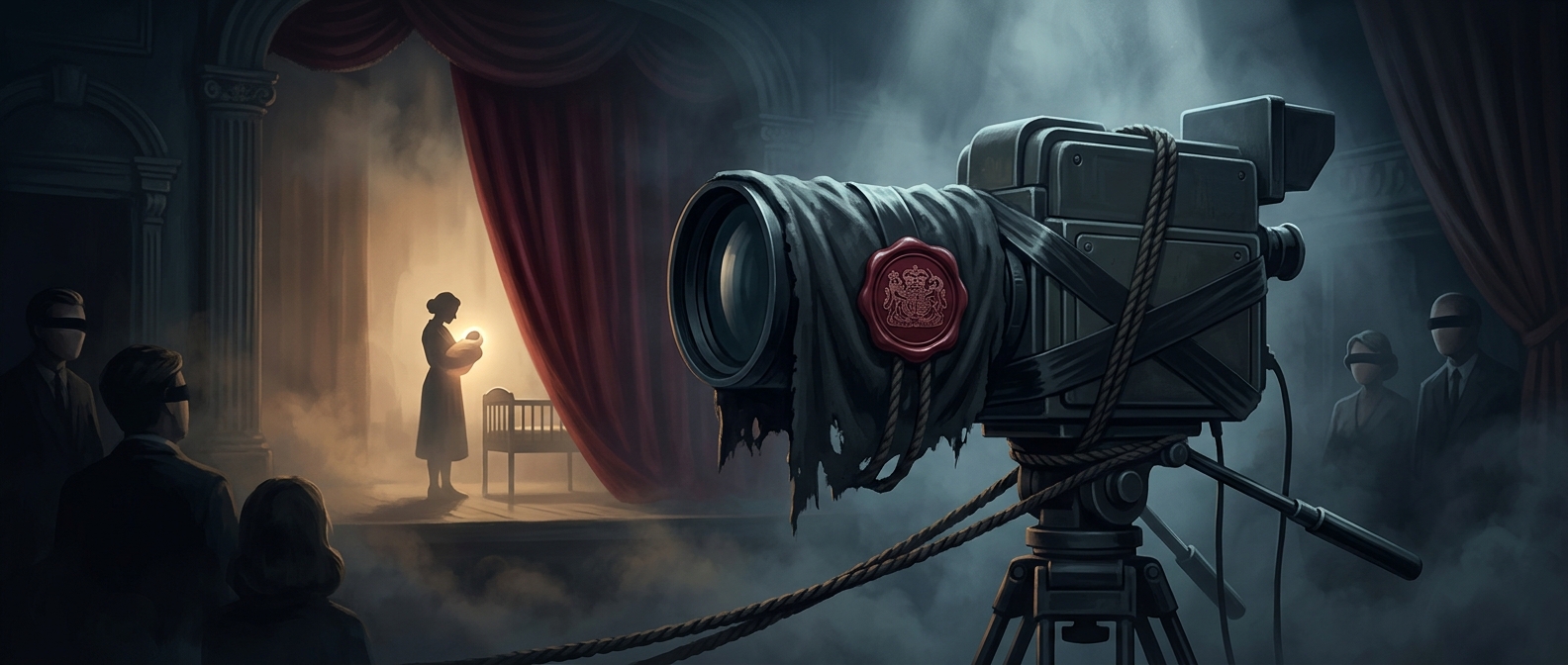
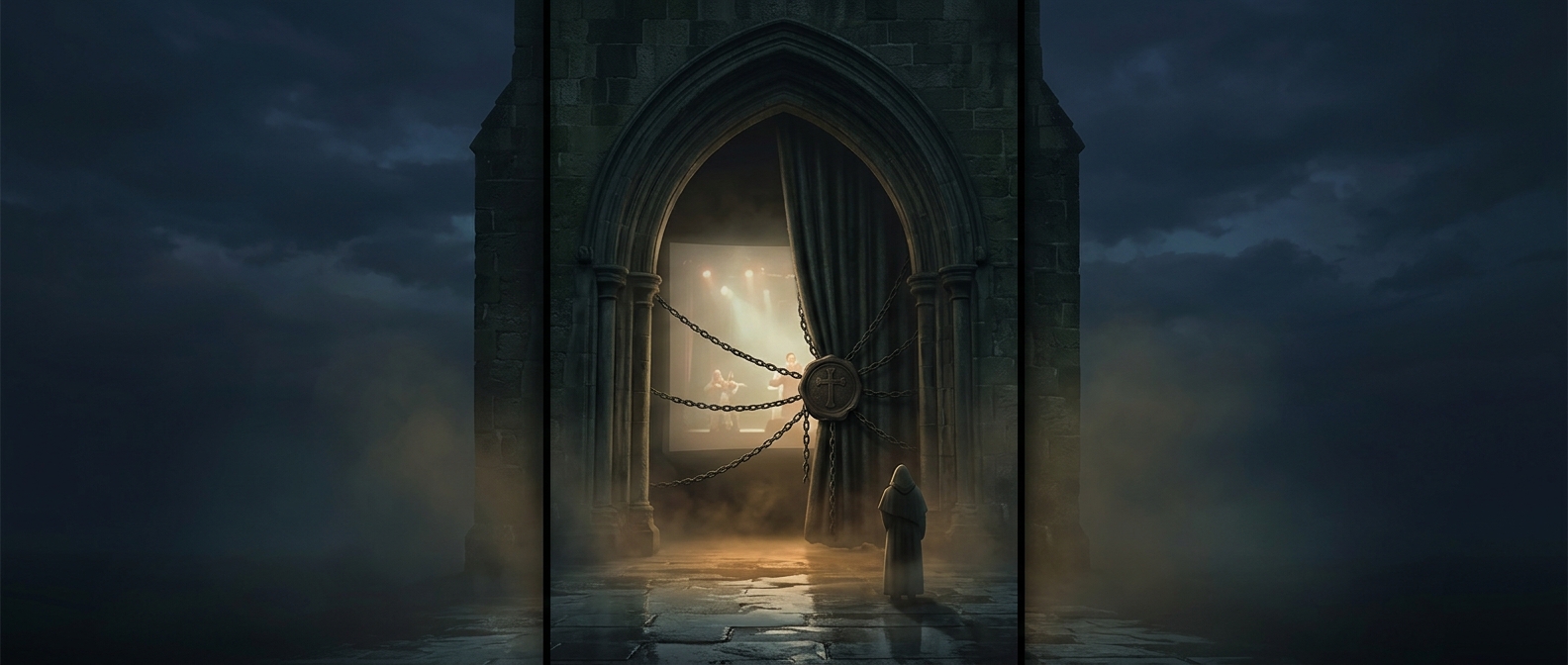
For religious critics, the concern was not simply that the movie made fun of organized religion. They saw its treatment of sacred subjects as blasphemous: an irreverent attack on beliefs they considered deserving of respect. In Ireland, where the Catholic Church held substantial cultural influence, the national film censor prohibited the movie from being shown. In Britain, the restrictions were more local: some town councils used their control over cinema licensing to prevent screenings, rather than a nationwide ban taking effect.
How prohibition fed curiosity
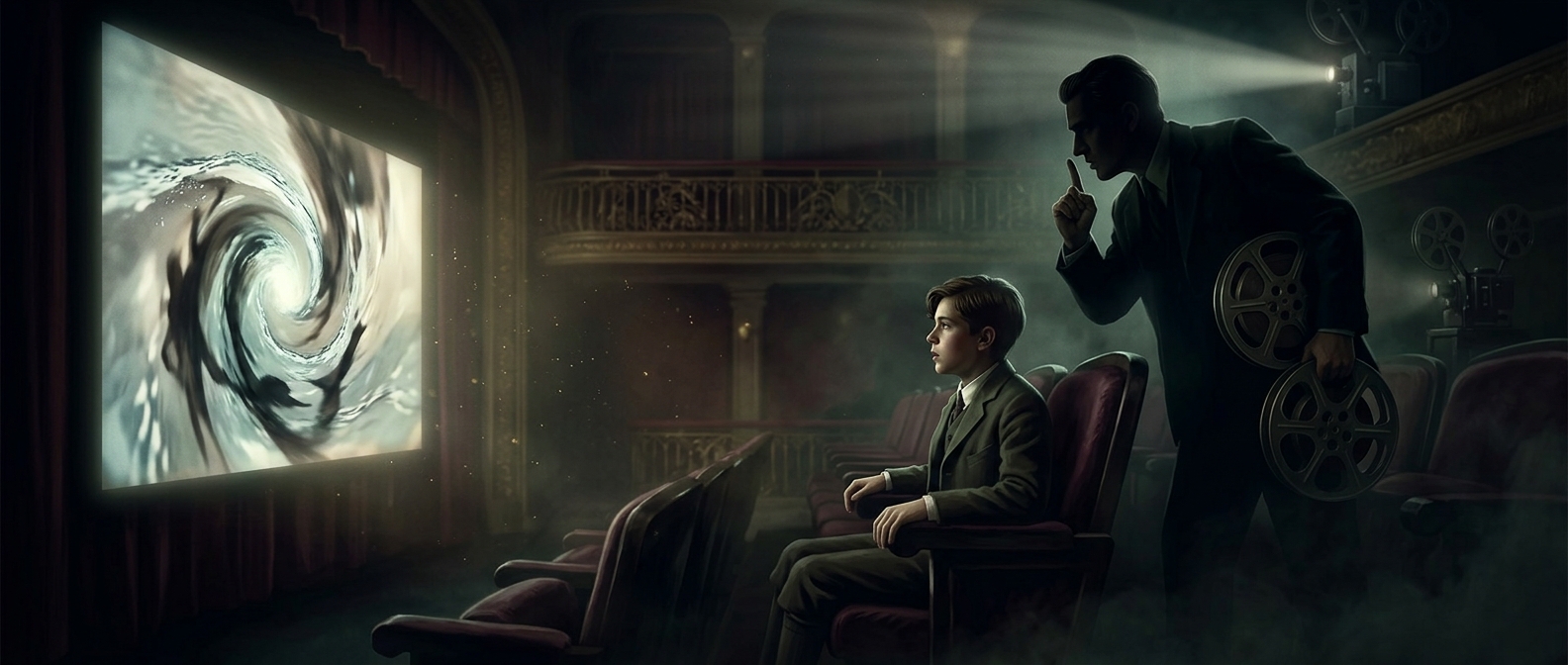
A ban does not erase a film; it changes how people encounter it. Where screenings were blocked, viewers could hear about the controversy but not easily see what had caused it. That gap made the movie itself a spectacle. Its reputation as something authorities and religious groups wanted kept off screens could attract audiences who might otherwise have had little interest in a Python comedy.
That is the forbidden-fruit effect behind the film’s commercial boost: public opposition supplied attention and intrigue that ordinary advertising could not. The irony was that attempts to contain the joke helped turn the movie into a bigger event. In places where it could not be shown, the argument over Life of Brian became a kind of preview—one that made the eventual opportunity to watch it more enticing.