Tryptophan is only the first step
Milk contains tryptophan, an amino acid the body can use to make serotonin and, later, melatonin—both involved in sleep regulation. But eating a food that contains a precursor does not send a matching dose straight to the brain. Tryptophan must enter the brain through a transport system shared with other amino acids, and milk’s protein supplies several of those competitors too. The body also regulates how it uses the materials it absorbs.
That makes the effect of a normal serving very different from taking tryptophan by itself: the pathway is real, but a mug of milk is not a reliable switch that triggers sleepiness on demand.
Why the ritual can still feel soothing
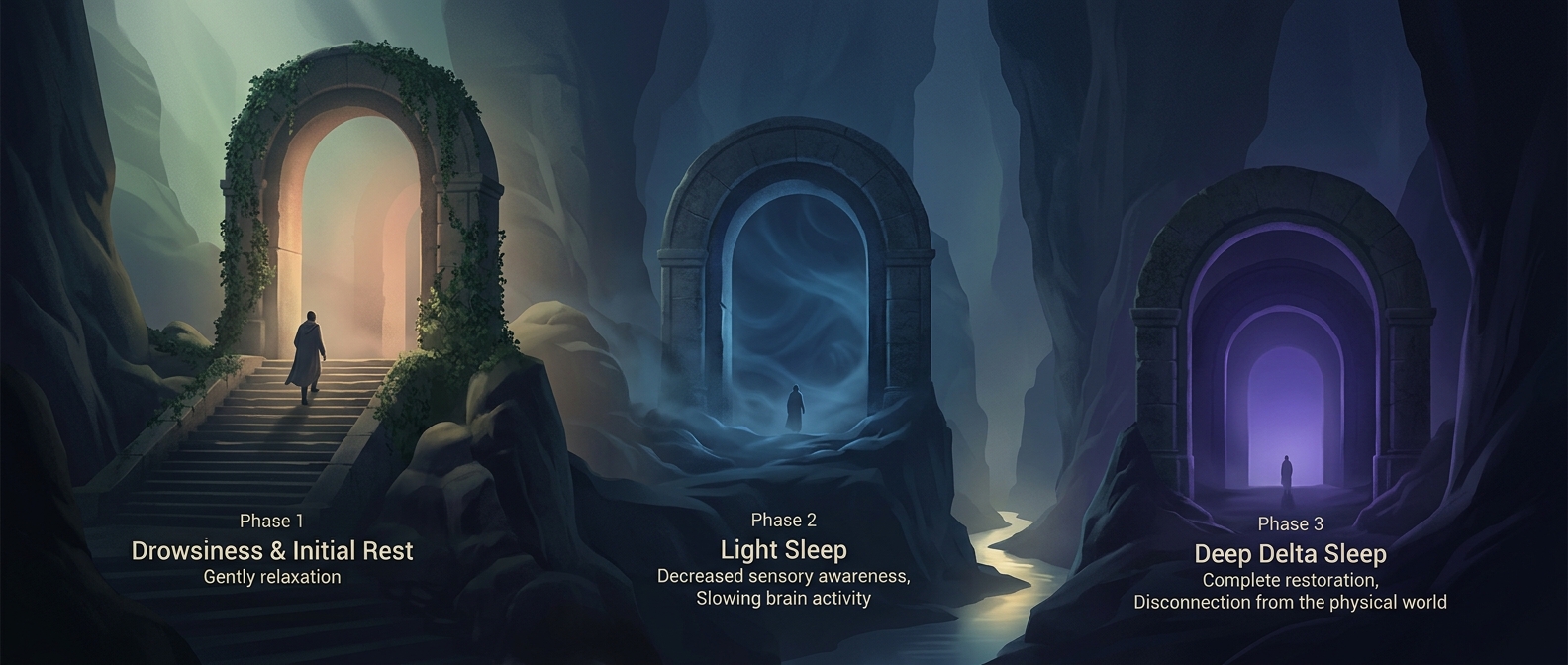
A warm drink can help indirectly. Its familiar taste and warmth may feel calming, and repeating the same quiet routine before bed can teach the brain to associate it with winding down. That sense of comfort is a plausible reason someone might feel sleepier after milk without the drink delivering a powerful sleep-inducing dose.
The practical distinction is simple: the bedtime ritual may be useful if it relaxes you, but drinking more milk is not a shortcut to stronger effects. A large serving could bring its own discomfort, which is hardly a helpful addition to a bedtime routine.