A shrine built along the waterways
Xochimilco is a network of canals south of central Mexico City, a remnant of the lake landscape on which the city was built. Visitors usually explore it aboard trajin eras—colorful, flat-bottomed boats that move slowly through the water. The Island of the Dolls sits off those busy routes, where the canal journey itself helps make the place feel removed from the city.
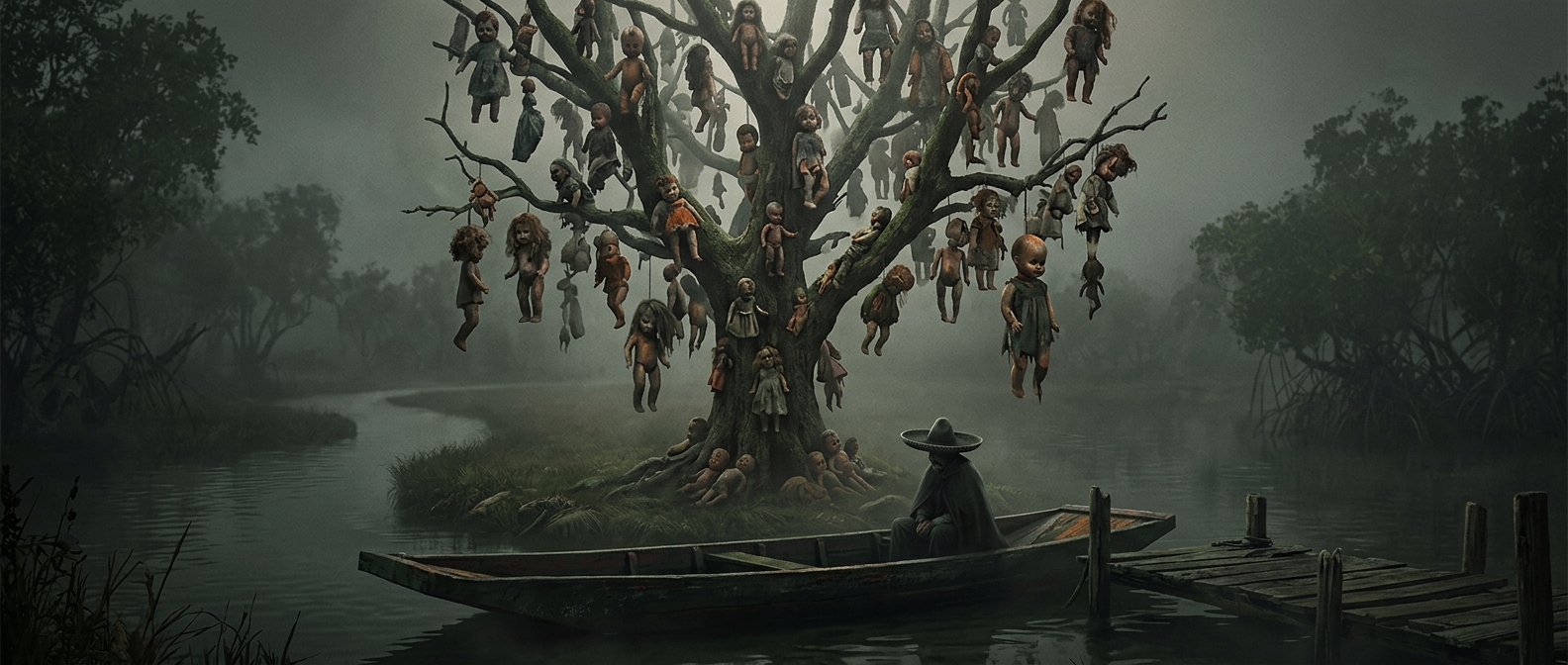
The island’s story centers on Don Julián Santana Barrera, who lived there in relative seclusion. Accounts say he began hanging dolls after finding the body of a drowned girl in the canals and believing her spirit remained nearby. He continued collecting and displaying dolls over many years. The belief behind the practice is part of the island’s local legend, not something that can be established from the objects themselves.
Why the dolls look so disturbing
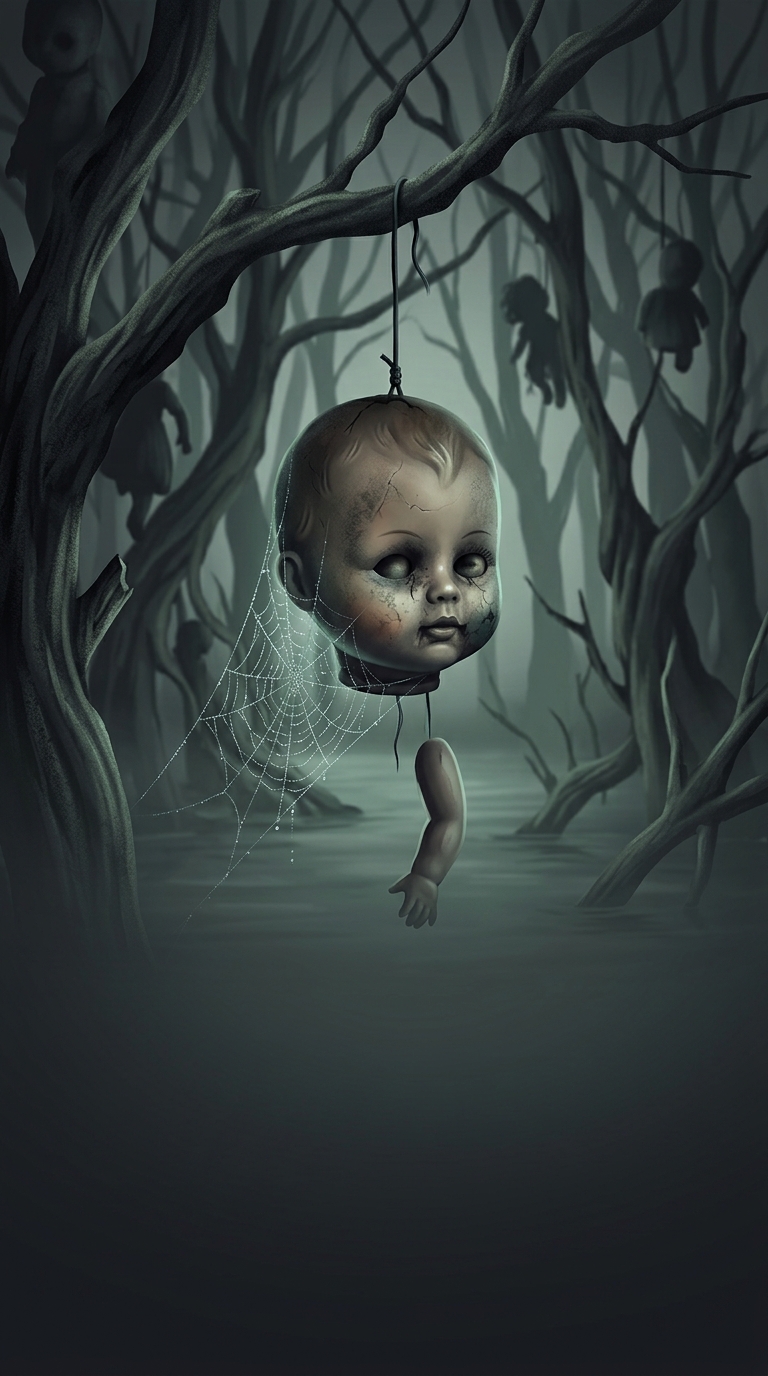
The display was not made as a polished attraction. Dolls were hung outdoors, often from branches, and exposed to damp air, rain, and strong sun. Plastic discolors and cracks; cloth and hair deteriorate; loose parts come away. As the dolls weather, their changing faces and broken bodies become part of the spectacle. The environment keeps altering the installation, so the island looks less like a fixed exhibit than a collection slowly being reclaimed by its surroundings.
After Santana’s death, visitors began making the island a destination. Reaching it by boat means encountering the dolls one tree at a time, from the water, rather than seeing the entire display at once. That gradual reveal—and the contrast between Xochimilco’s lively canal traffic and this quiet, crowded island—helps explain why a private, unsettling act of belief became one of the area’s most recognizable stops.