Why 120 decibels is an unusually large number
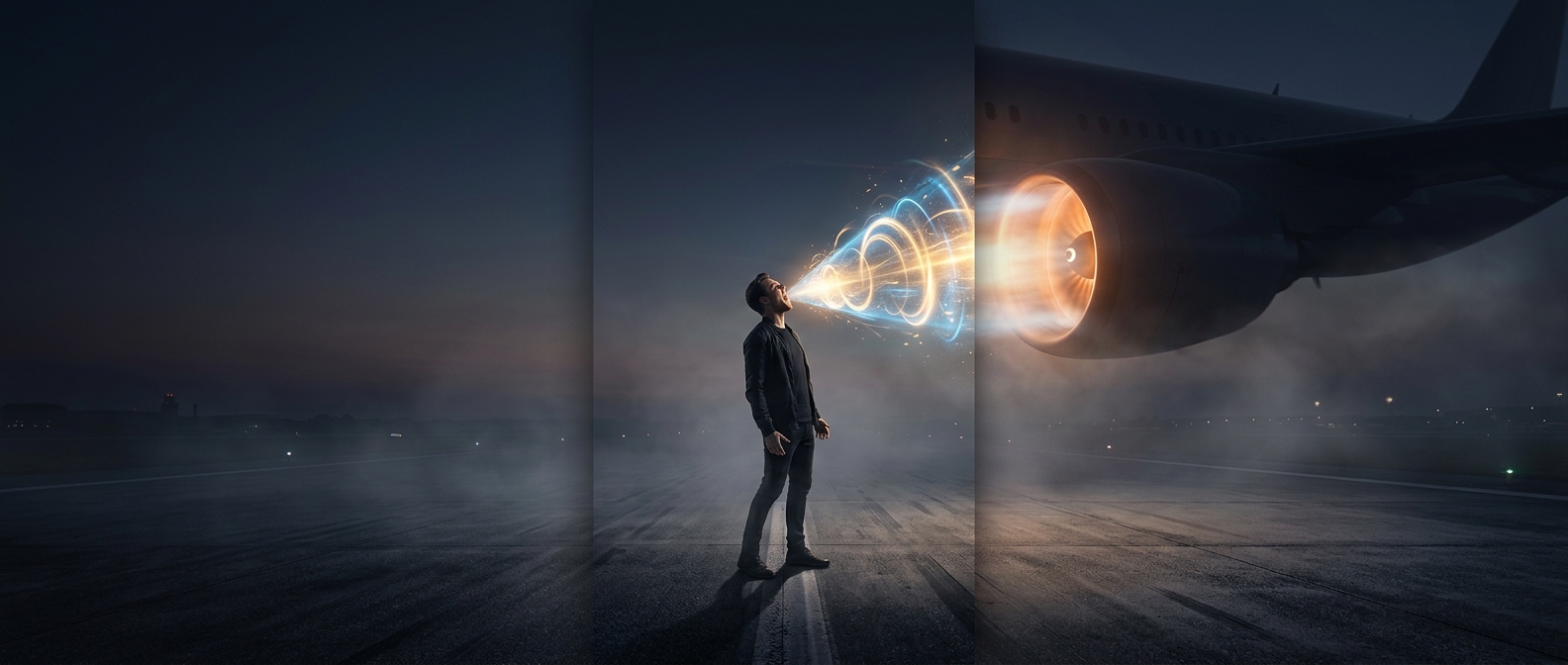
Decibels use a logarithmic scale: each step represents a ratio, not a fixed addition of sound. A 10-decibel increase means ten times the sound intensity, so a sound at 120 dB carries ten times the intensity of one at 110 dB. That makes the difference between those readings far more substantial than the numbers alone suggest.
Intensity is not the same as perceived loudness. The decibel reading describes sound energy, while loudness is the brain’s experience of it; that experience also depends on pitch, background noise, and individual hearing.
What happens when the sound reaches your ear
Sound travels as changes in air pressure. At very high levels, those pressure waves make the eardrum and the delicate structures of the inner ear vibrate strongly. A sound near 120 dB can be painful, and sufficiently intense sound can injure hearing—especially when exposure lasts or happens repeatedly.
A scream’s headline level does not tell you exactly what someone nearby hears. The sound spreads as it travels, and walls, room shape, and other obstacles can change how much reaches the listener. The level at the ear—not the loudest level the scream could produce—is what matters for the person hearing it.