Why Cats Fit a Park That Never Really Sleeps
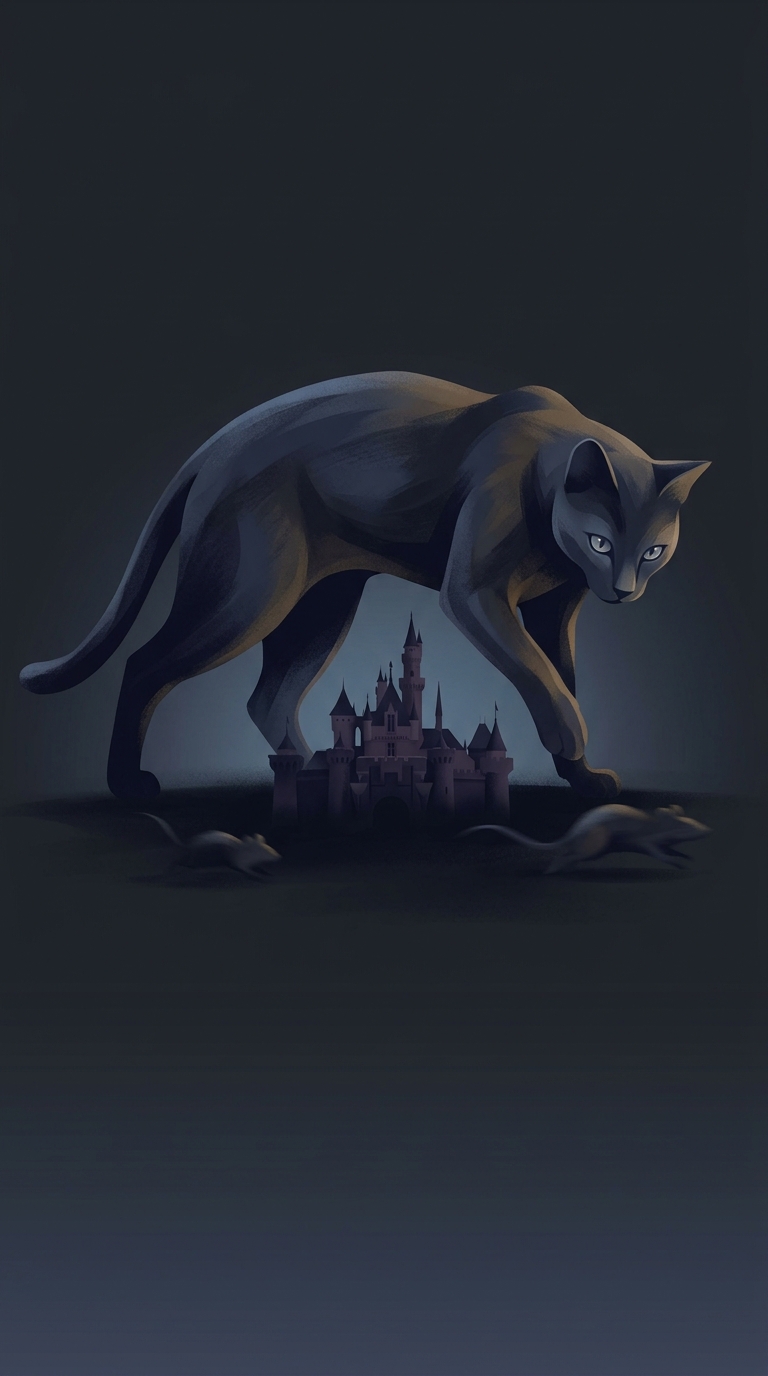
After visitors leave, Disneyland’s landscaped grounds still offer the things that attract rodents: shelter, food scraps, and quiet places to hide. Cats can move through those spaces on their own, making them a low-profile form of pest control in areas where traps or frequent human patrols would be harder to manage.
Their work is less like a coordinated patrol than a steady, informal presence. A cat may hunt when it encounters prey, but cats do not reliably remove every rodent or replace the need for sanitation and other pest-control measures. The arrangement is useful because it adds another layer of control without requiring the animals to be directed around the park.
A Managed Population, Not an Unchecked One
Simply letting cats reproduce would create a new problem. Spaying and neutering prevent the group from growing uncontrollably, while feeding stations give caretakers a way to provide food and keep track of the animals. Those measures also make the park’s approach more deliberate than relying on hungry strays to fend entirely for themselves.
The compromise reflects a practical tension: cats can help limit rodents, but they are living animals with needs of their own. Disneyland’s nighttime visitors are therefore part of a managed system—one in which pest control depends not only on hunting, but also on keeping the cats healthy and their numbers in check.