The airplane is built around the distance
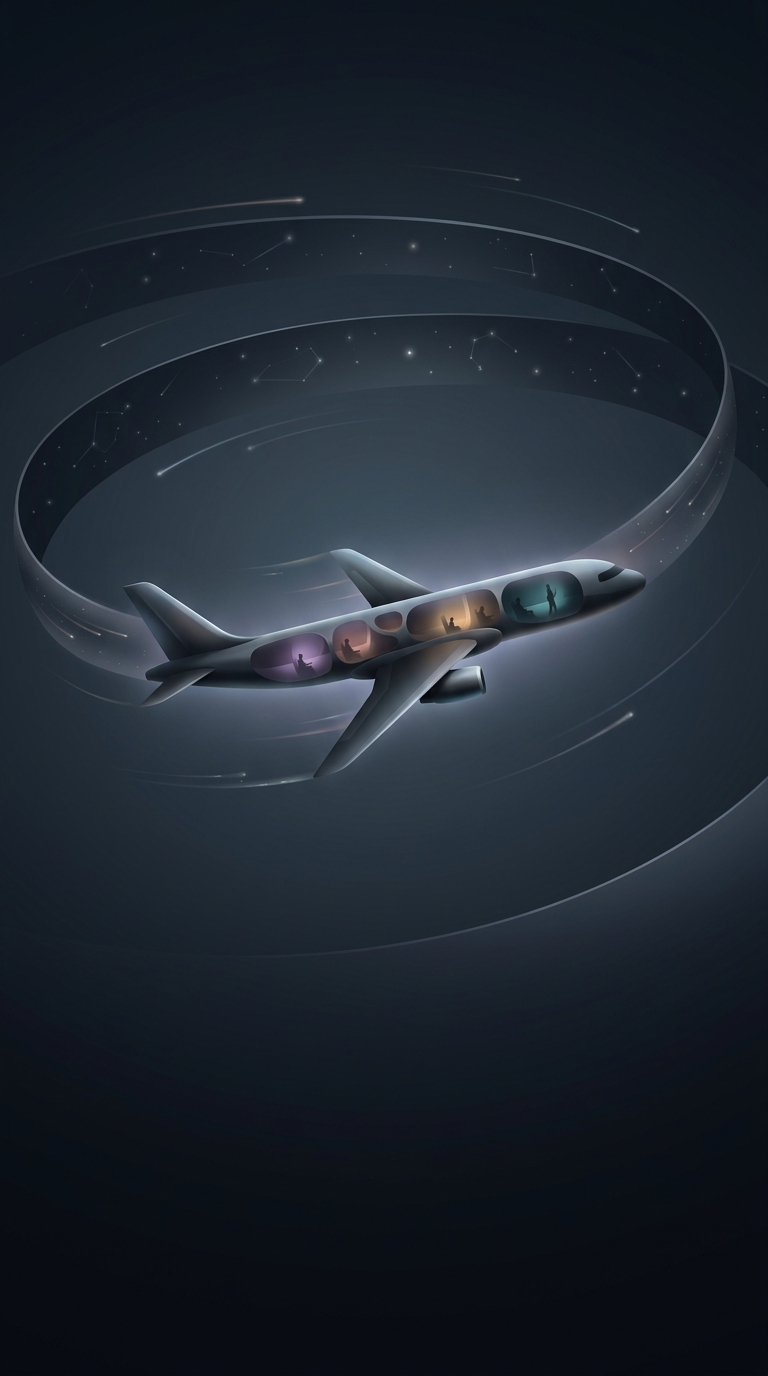
A nonstop Singapore–New York crossing is an engineering balancing act: the aircraft must carry enough fuel to stay aloft for roughly 9,000 miles, while still leaving room for passengers, their bags, and cargo. Singapore Airlines uses an ultra-long-range version of the Airbus A350-900, designed to make that kind of trip practical through fuel capacity and efficient operation.
Fuel is not simply extra weight added at takeoff. The more an aircraft carries, the more fuel it needs to lift and move that fuel, too. Designers and airlines therefore have to balance range against payload—the people and goods the plane can carry—and the route has to make economic sense without relying on a stop for refueling.
A cabin shaped by the business case
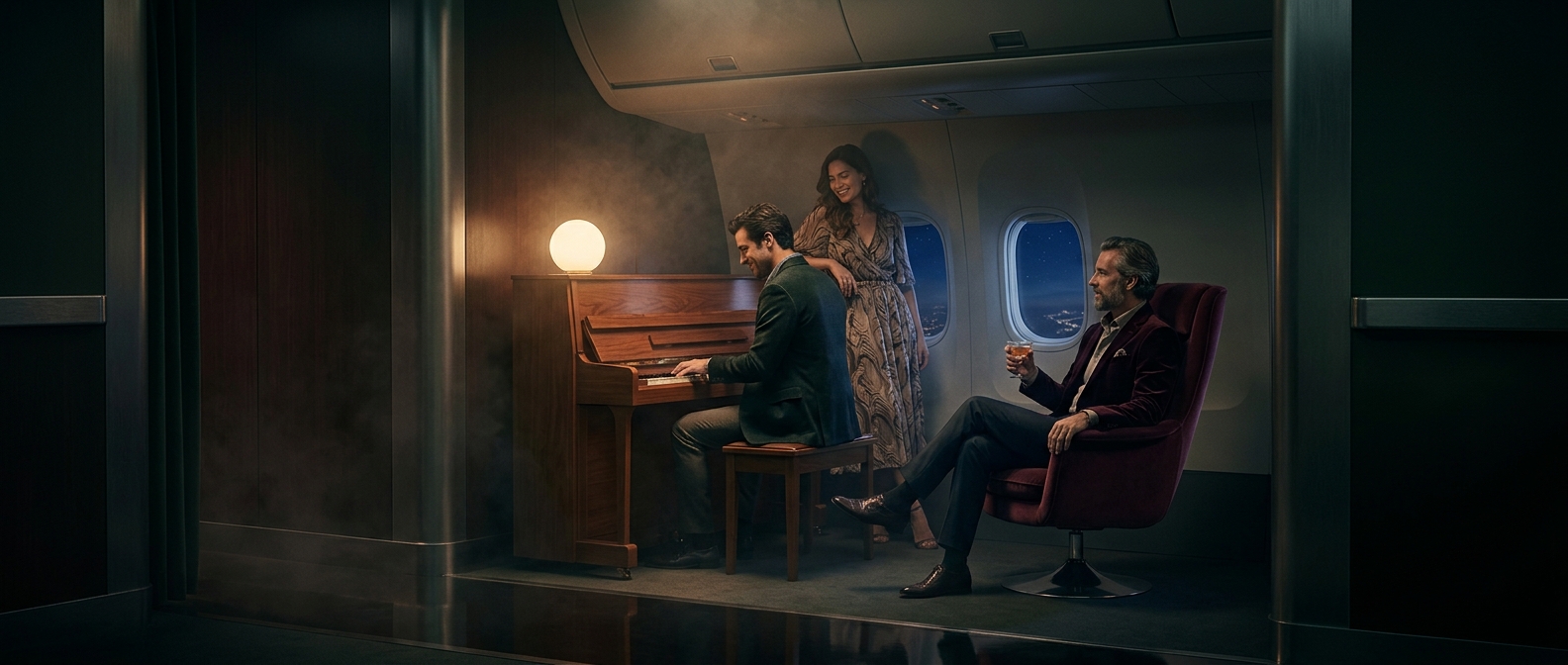
The airline does not sell economy seats on this route. Its cabin is arranged around business class and premium economy, a choice that makes room for more spacious seating but also reflects the cost of operating such a long flight. When an aircraft spends close to a day in the air, each departure ties up a plane and crew for an unusually long stretch; selling fewer, higher-priced seats can help make that operation viable.
For passengers, the nonstop service trades the interruption of a connection for one continuous journey. There is no layover to break up the trip, but also no chance to get off and stretch in an airport midway. The route’s unusual cabin is therefore part of the same calculation as its specialized aircraft: making the longest trips possible means deciding not only how far a plane can fly, but what it must carry to pay for the journey.