The coat mattered as much as the collie
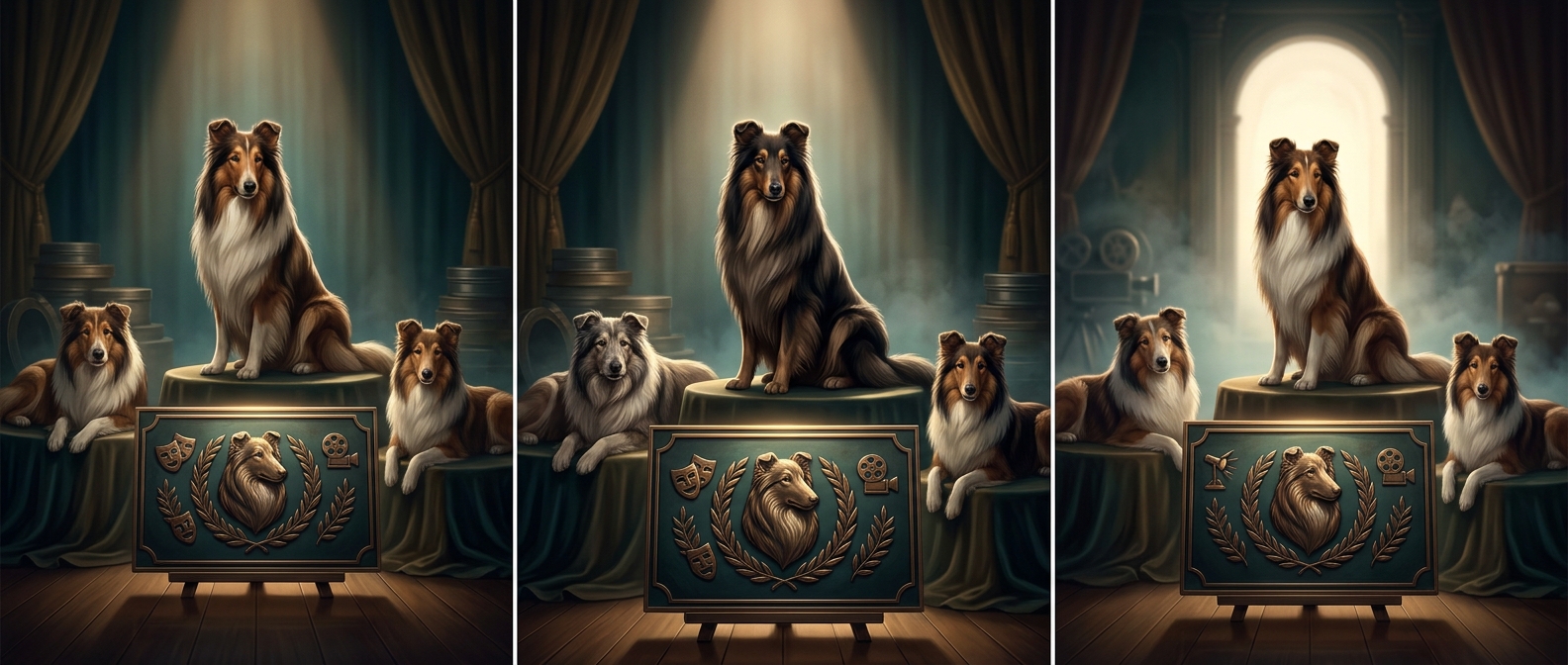
On camera, Lassie needed to look like the same impressive dog from scene to scene. Male Rough Collies were often favored because they tended to be larger, with fuller-looking coats around the neck and chest—the areas that help create the breed’s recognizable, dramatic outline.
Female collies can shed heavily as their coats change with the seasons. When that leaves the coat thinner or uneven, it can alter the dog’s silhouette, especially under bright studio lighting. A fuller coat gave filmmakers a more consistent look to work with; grooming could help, but it could not instantly replace hair that had been shed.
A practical choice for a screen character
That preference was about appearance and production, not a rule that female dogs could not play Lassie. The character was portrayed by trained dogs, and the role could be carried on by other collies when one dog was unavailable. Choosing a male often made it easier to preserve the sturdy, luxuriantly coated image audiences associated with Lassie.
The camera turned a seasonal change in a dog’s coat into a continuity problem: if the outline changed, viewers might notice—even when the dog was performing the same familiar character.