How Australia made the first feature-length film
In 1906, audiences in Melbourne watched The Story of the Kelly Gang, a film about the notorious outlaw Ned Kelly and his gang. At roughly an hour long, it was far longer than the short scenes that usually made up early cinema programs. It is widely recognized as the world’s first feature-length narrative film: “feature-length” here means a sustained story long enough to anchor a screening, not simply any moving picture.
A real outlaw became a screen epic
Ned Kelly had been hanged in 1880 after a violent confrontation with colonial authorities, but stories about him remained part of Australian popular culture. The filmmakers turned that familiar saga into a sequence of acted scenes, following the gang through the outback and toward its final confrontation. The result gave cinema room to build a plot across multiple episodes rather than capture just one brief action.
The film’s length also changed how it could be shown. Instead of serving as a quick item among unrelated shorts, it could hold an audience for an evening and travel as a major attraction. That made it an early demonstration that moving pictures could sustain a full dramatic narrative—and that the business of cinema did not have to begin in Hollywood.
A landmark that survives only in fragments
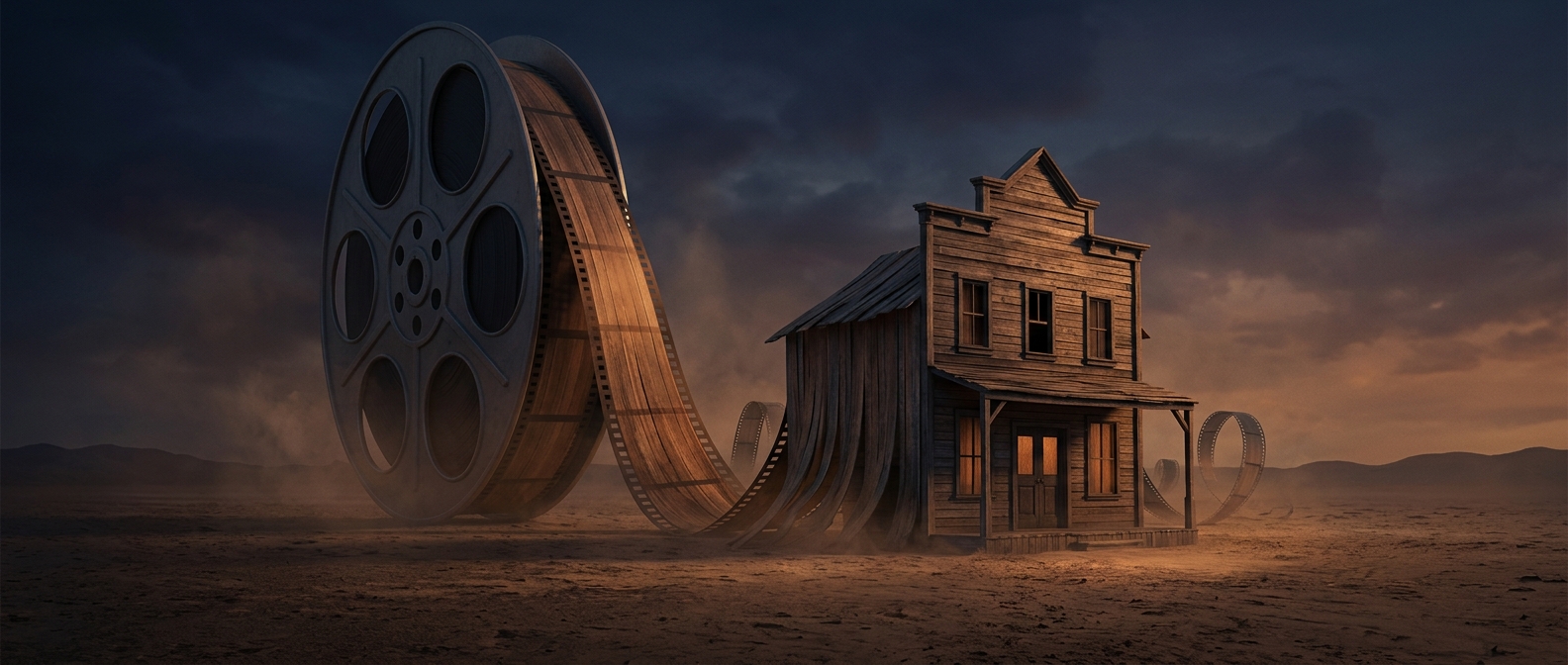
The original film was much longer than the pieces that have survived. Today, incomplete fragments preserve glimpses of its scenes, so modern viewers cannot see the entire story as its first audiences did. Its historical importance rests partly on that gap: a pioneering Australian feature helped establish a form of filmmaking that would become central to world cinema, even though most of the film itself is lost.