The idea of a world-soul
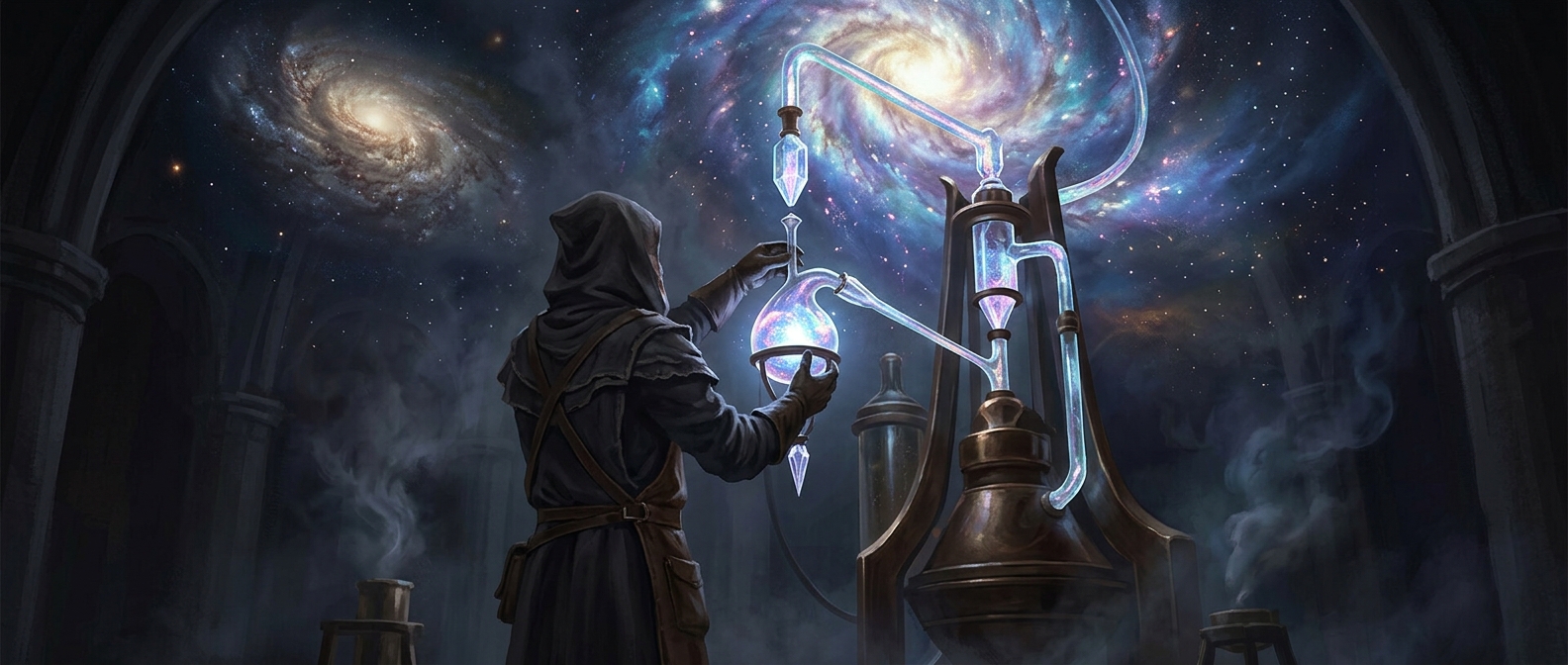
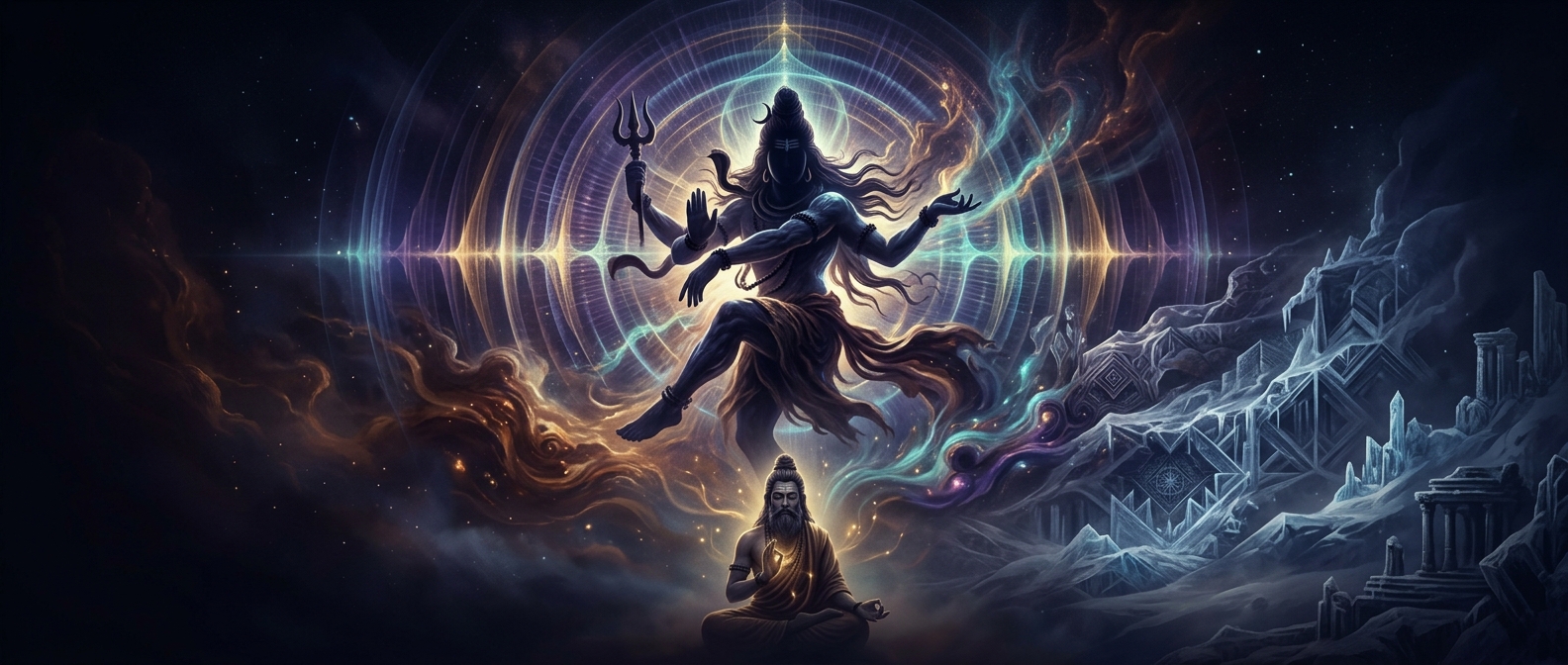
The belief that the world itself has a soul reaches back to ancient philosophy. Plato, for example, described the cosmos as a living being with a soul and intelligence. In this view, nature was not merely a collection of lifeless objects: the whole universe formed an ordered, animated unity.
A related idea is panpsychism: the view that mind or experience is a basic feature of reality, rather than something found only in human beings. Historical versions differed sharply. Some imagined a single cosmic mind; others held that mental qualities were present throughout nature. These claims were philosophical or spiritual interpretations, not results established by scientific observation.
What it meant to seek answers
If the world is understood as a living whole, then studying its patterns can seem like a way to approach its underlying intelligence. Philosophers might look for meaning in the order of nature, the relation between the parts and the whole, or the place of human beings within the cosmos. The search was less like asking a person a question than trying to understand what reality’s structure implied.
That distinction matters: believing in a world-soul did not necessarily mean that Earth had a humanlike mind or could deliver spoken answers. It offered a framework for treating existence as interconnected and potentially meaningful. The enduring question is whether consciousness belongs only to individual minds—or whether mind is woven more deeply into the world they inhabit.