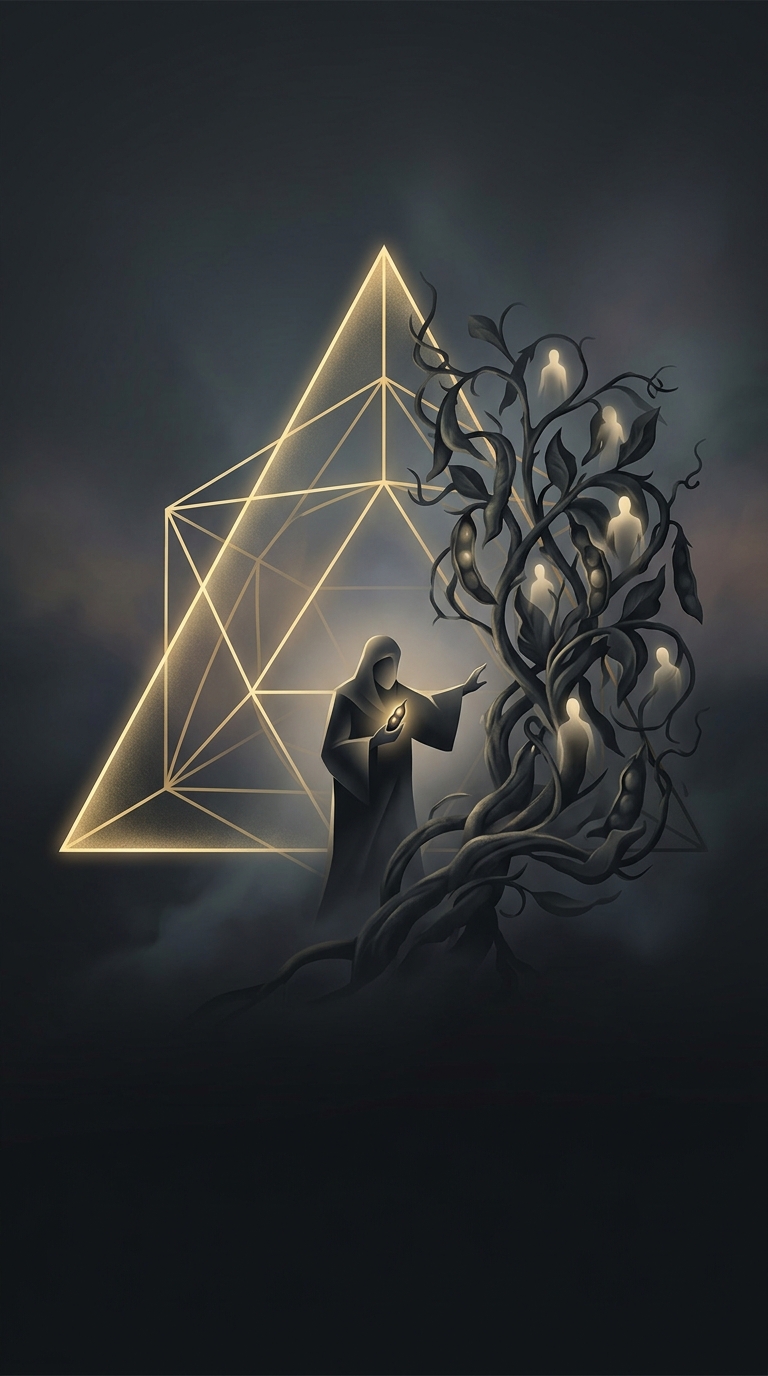
Spanda: The Pulse Behind Experience
In Kashmir Shaivism, Spanda means a subtle “throb” or pulse of consciousness. It is not a physical vibration moving through space. It names the activity by which Shiva—the tradition’s name for ultimate consciousness—both knows itself and appears as the many forms of the world.
That idea changes how the world is understood. Ordinary perception divides experience into a subject who sees and an object being seen. Spanda points to the living awareness present in both: the same consciousness takes the form of a perceiver, a thought, and the thing perceived. The world is therefore real as an expression of consciousness, not a separate creation that must be dismissed as unreal.
Why Stillness Matters
A pulse is not constant motion. It includes a quiet interval, and Kashmir Shaivism uses that image to explain why awareness can be noticed in apparent stillness. Between thoughts, or before a reaction takes shape, consciousness has not vanished; it remains present without being occupied by a particular thought. The contrast makes its activity easier to recognize.
For Abhinavagupta, a major Kashmir Shaivite thinker of the 10th and 11th centuries, liberation was not a journey away from the world. It was a shift in recognition: seeing everyday perception and action as expressions of the same awareness that underlies meditation. The point was not to stop the pulse, but to recognize it—even while living an ordinary life.