When a Dog’s Yawn Means More Than Sleepiness
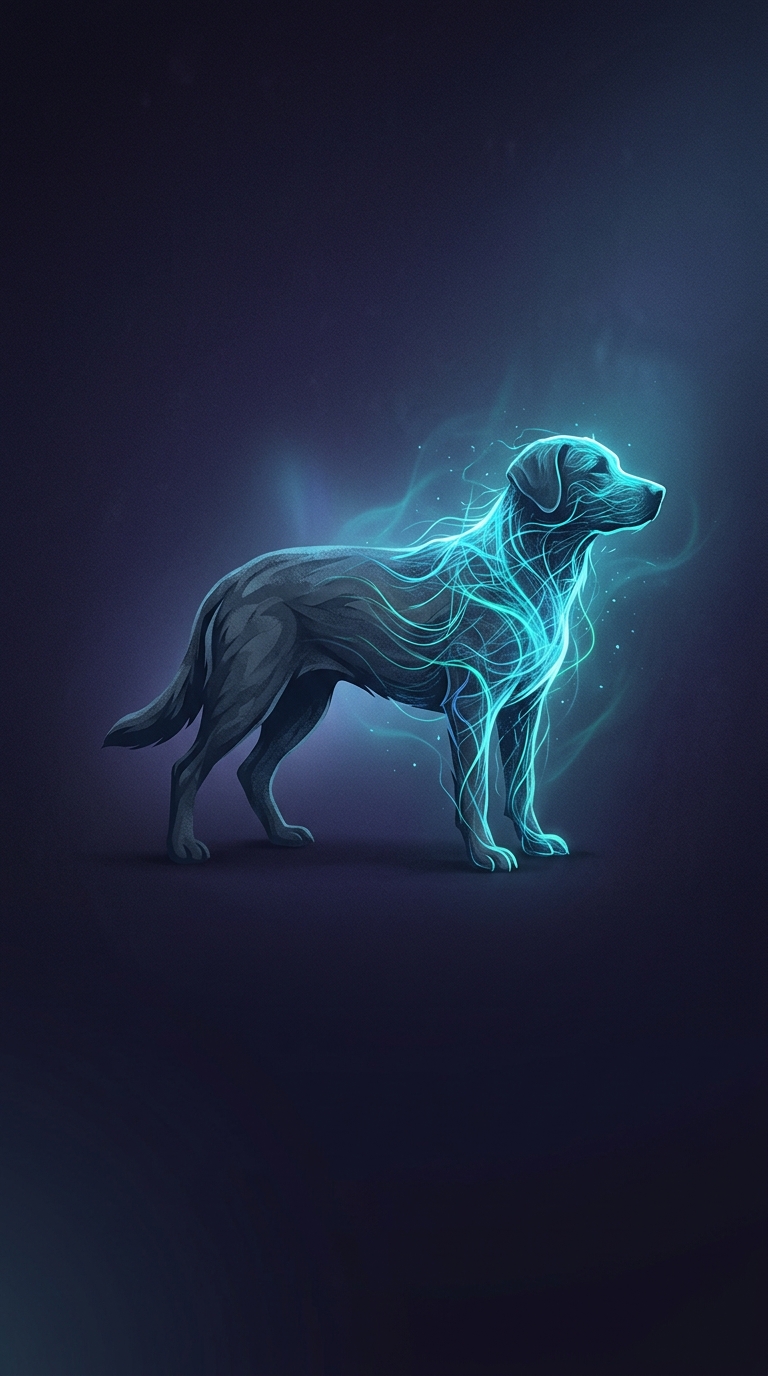
A yawn can appear when a dog is tired, but it can also surface during tension. In an unfamiliar room, at the vet, or while being approached by a stranger, a dog may yawn even though it has just woken up. In that setting, the gesture can be a sign of stress rather than a request for a nap.
Behavior specialists often describe this kind of action as a displacement behavior: an ordinary behavior that appears when an animal feels conflicted or uneasy. The yawn is visible; the anxiety behind it is inferred from the situation and the dog’s other signals. A yawn alone cannot tell you how worried the dog is.
Read the Situation Around It
Look for a cluster of clues: turning the head away, pinned-back ears, lip licking, a tucked tail, or trying to move away. A dog yawning while curled up at home may simply be sleepy. The same yawn during close handling, alongside avoidance or a tense posture, deserves a different interpretation.
That distinction matters because pushing through a dog’s discomfort can make a stressful encounter worse. Pause, give the dog space, and let it approach again if it wants to. The useful question is not just “Is the dog yawning?” but “What is happening around the yawn?”