Why the Bow Swings Away From the Tiller
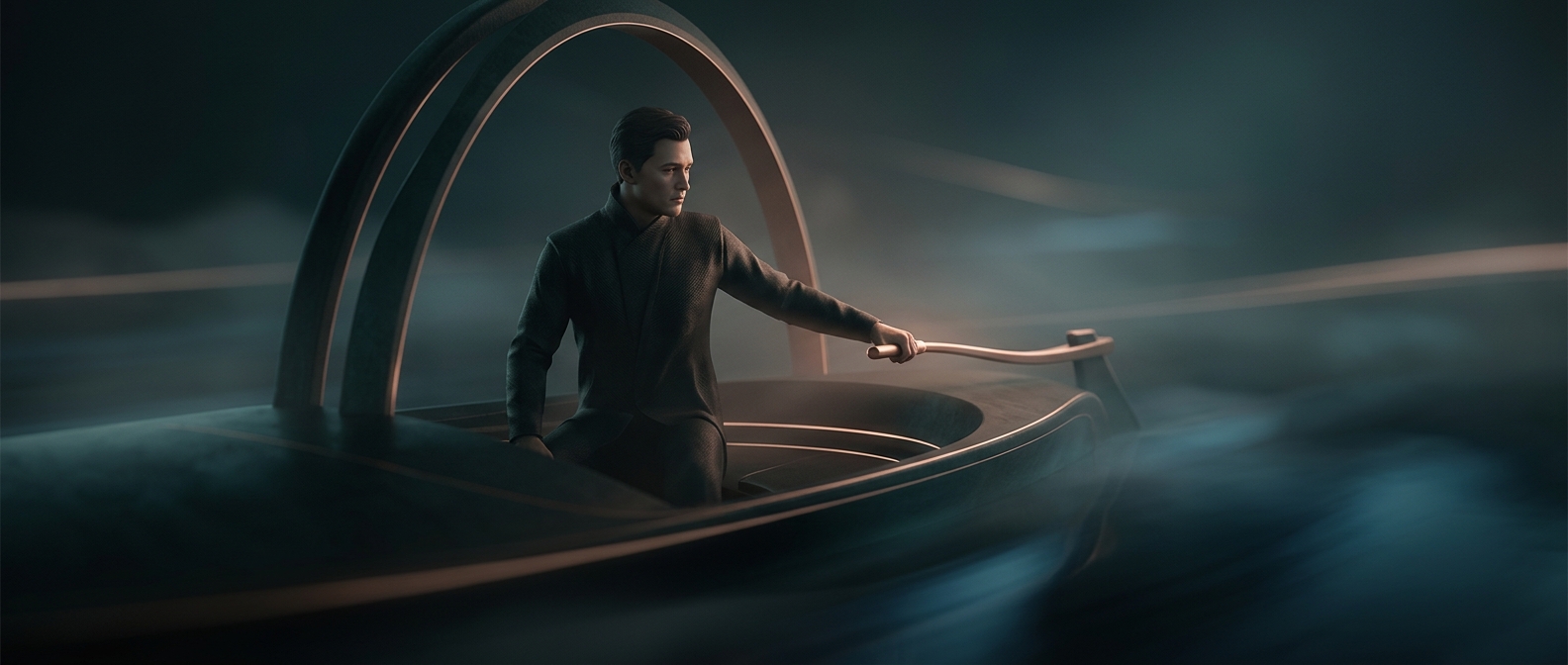
A tiller is a lever connected directly to the rudder at the stern. Moving the lever turns the rudder blade across the water flow; the water then pushes the stern sideways, and the boat pivots so its bow swings the other way. It is the stern’s sideways motion—not a hidden reversal inside the handle—that makes the steering feel backward.
The rudder works best when water is flowing past it. As a moving boat advances, that flow presses against the angled blade and helps redirect the hull. With little or no forward motion, the rudder has much less leverage, so a sharp handle movement may produce little immediate change.
Learning to Steer by the Stern
A wheel’s cables or hydraulic linkage can make the bow’s response feel intuitive at the helm. A tiller exposes the reversed relationship directly, so a new operator must connect each hand movement to what the stern and bow actually do. Looking toward the boat’s path, rather than down at the handle, helps make that connection.
This is especially noticeable at low speed, when small corrections matter and the boat responds gradually. The useful mental cue is to move the stern where you want it to go; the bow will swing in the opposite direction. That cue makes the tiller’s apparent contradiction a practical way to control the boat’s turn.