A Hint Can Change the Room, Not the Rules
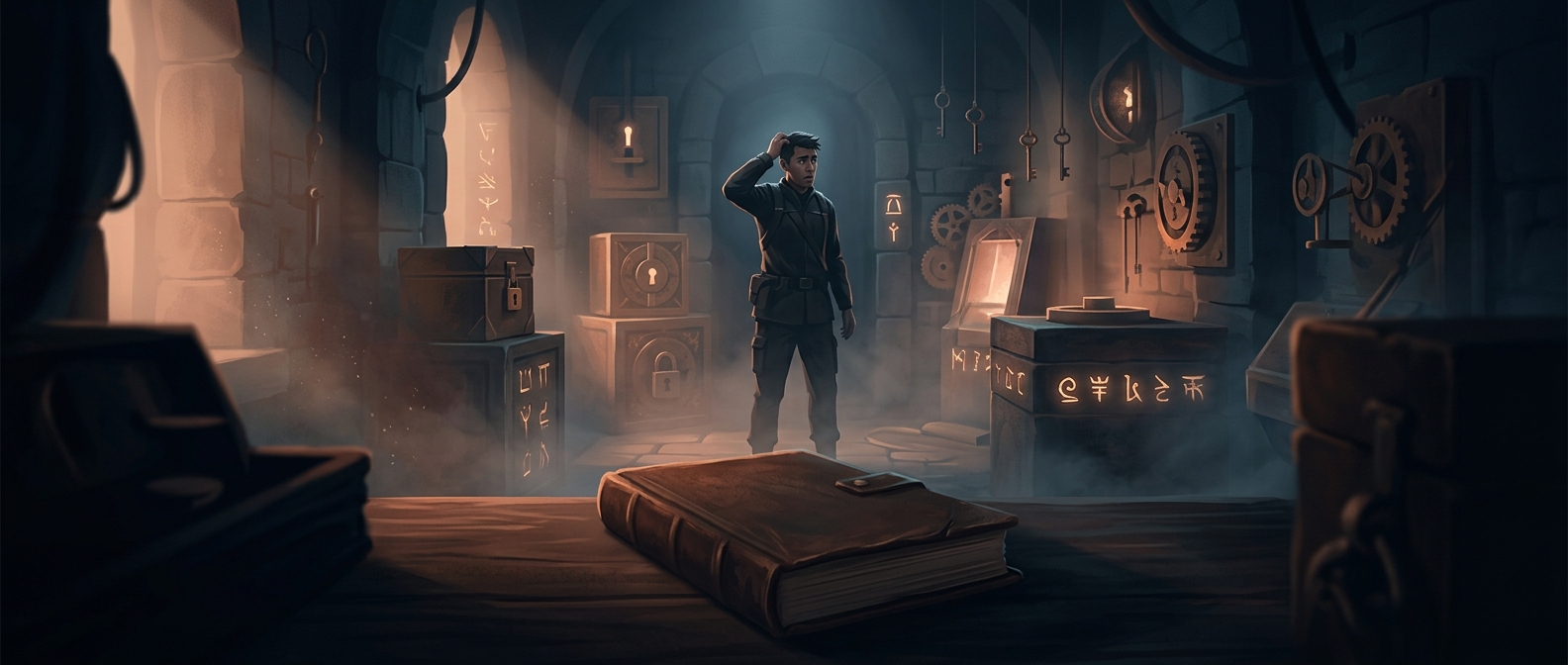
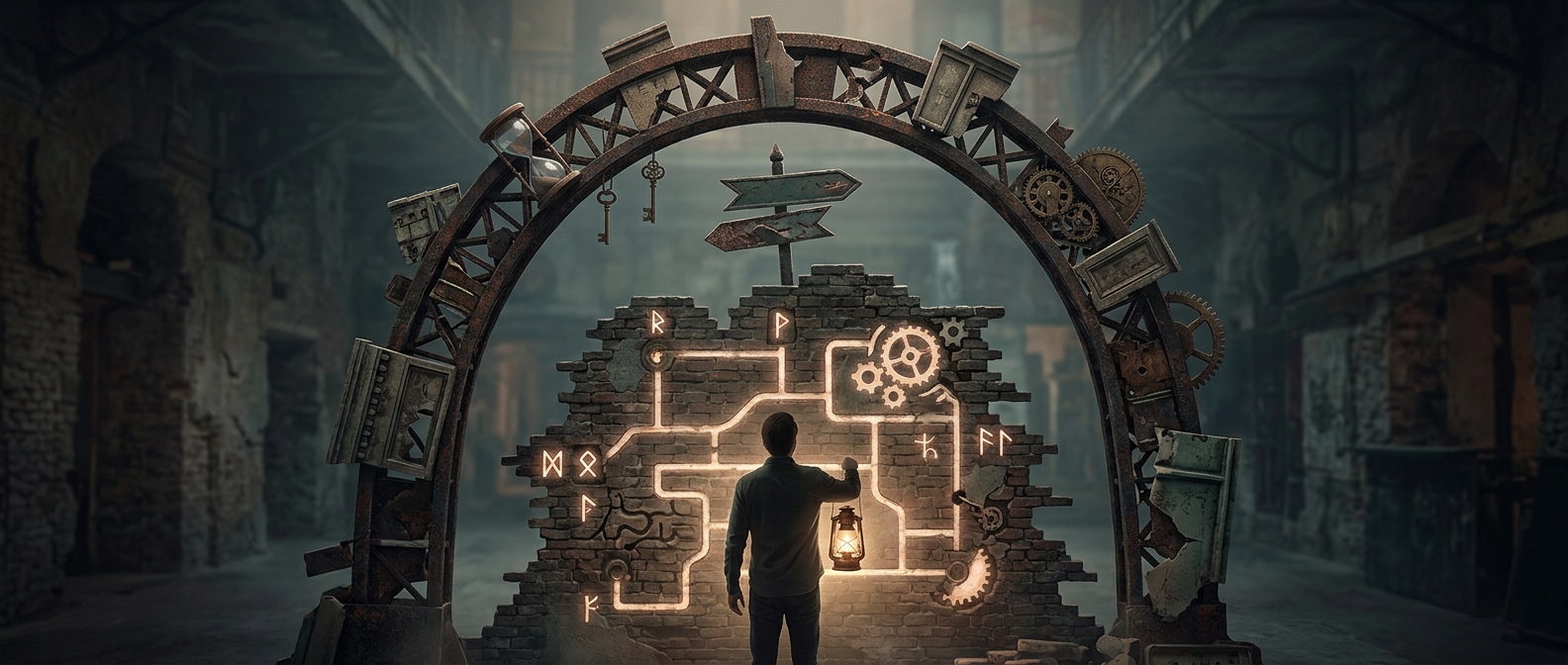
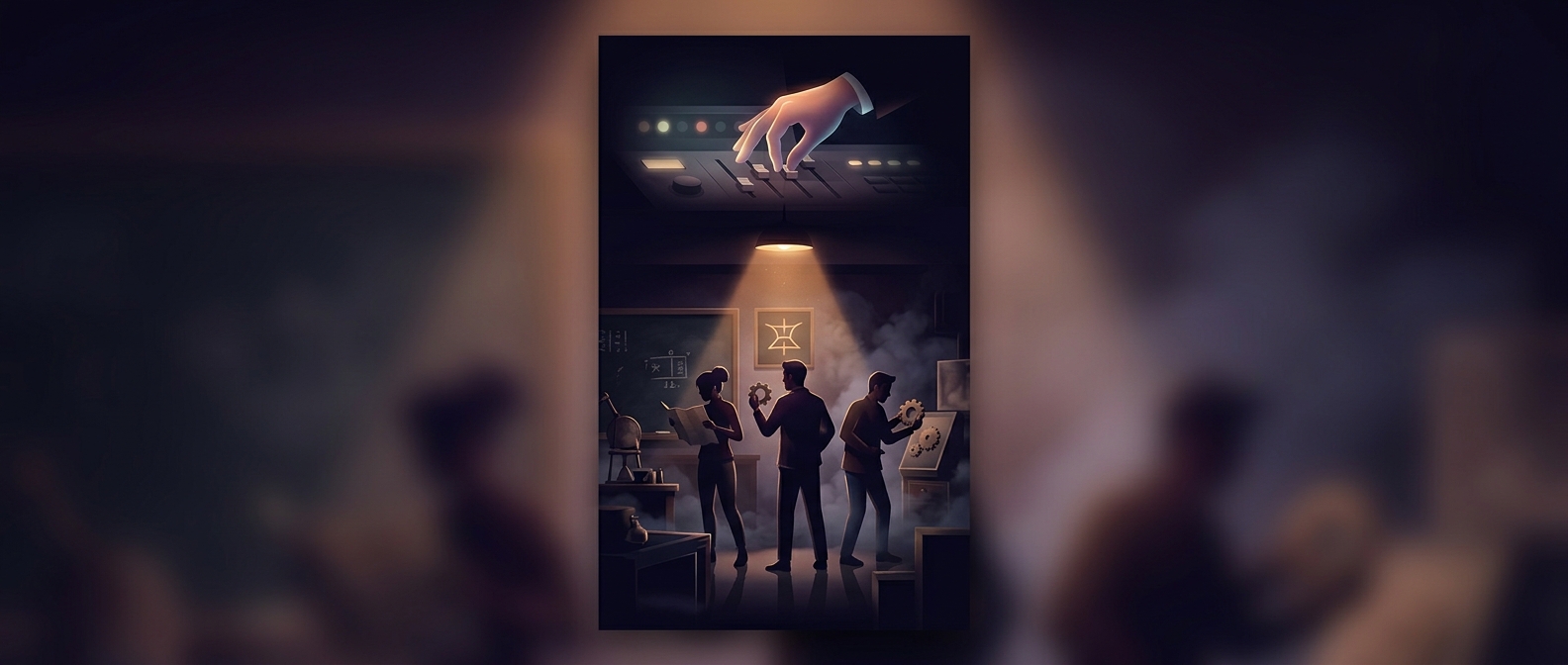
An escape-room puzzle can stall for reasons that have little to do with difficulty: players may be searching the wrong corner, overlooking a prop, or repeating a failed idea. A game master can redirect attention without naming the answer. Dimming an irrelevant area makes it less inviting to search; a click near the relevant lock gives players a reason to look there.
These are attention cues: small changes that influence what people notice while leaving them to interpret the clue and make the next move. That distinction matters. A direct instruction—“try the brass key”—solves the decision for the group. A subtle cue preserves the satisfying moment of connecting the key to the lock.
Guidance Without Taking Over
The game master is balancing two goals: keep the puzzle from becoming a dead end, and let players feel that their progress came from their own reasoning. Too little guidance can turn a challenging room into a frustrating search. Too much can make the answer feel handed over. A sound or lighting change offers a middle step: it narrows the field, but players still have to work out what the signal means.
That makes these nudges useful when a group is stuck but has not asked for a full hint. They can also help keep the pace moving without breaking the fiction of the room. The best cue is easy to miss if players are already on track, yet noticeable enough to redirect them if they are not. A single click can turn an aimless search into a new hypothesis—and leave the players to test it themselves.