A river used as a postal route
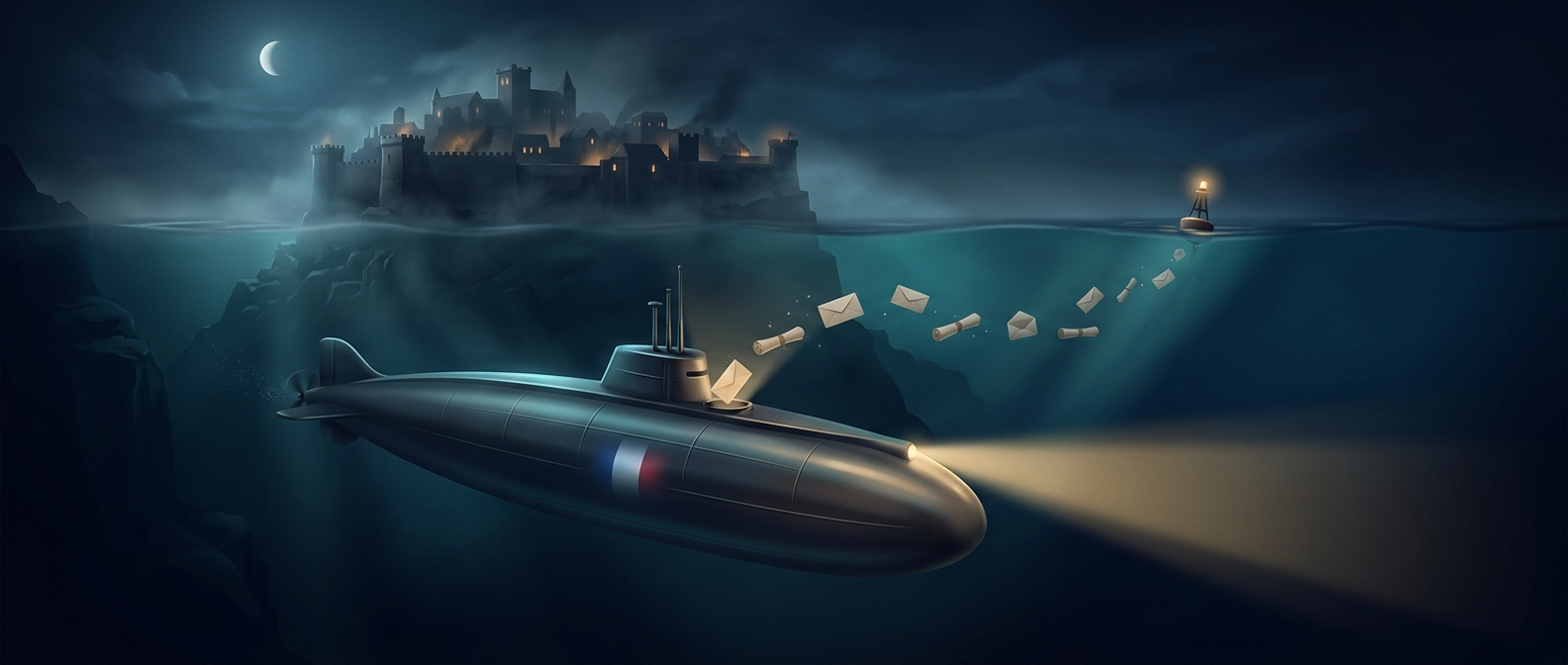
During the siege of Paris in 1870–71, ordinary mail routes were cut off by the surrounding enemy forces. The zinc spheres offered a way to send letters without asking a messenger to cross the lines: seal the mail inside a waterproof shell, release it into the Seine upstream, and let the river carry it toward the city.
The idea turned a military obstacle into a transport system. Instead of steering a vessel through dangerous territory, the plan relied on the current to do the traveling. A collecting net near Paris would then catch the spheres and make the letters available to their recipients.
Why the current was not enough
A river is a moving route, but not a controlled one. Its flow changes across the channel and around bends; a floating object can be slowed, pushed toward a bank, or caught on something along the way. Even a sealed, durable container could arrive somewhere other than the intended net—or not arrive at all. The surviving account does not point to one single reason the spheres failed, but the scheme depended on every stage working: release, passage past enemy positions, and recovery at the city.
That dependence made the spheres a gamble rather than a dependable postal service. Letters that did eventually turn up long afterward had outlasted their purpose as urgent messages. They had become physical traces of an improvised effort to keep communication moving through a city under siege: mail meant to be delivered by the river, instead preserved by it.