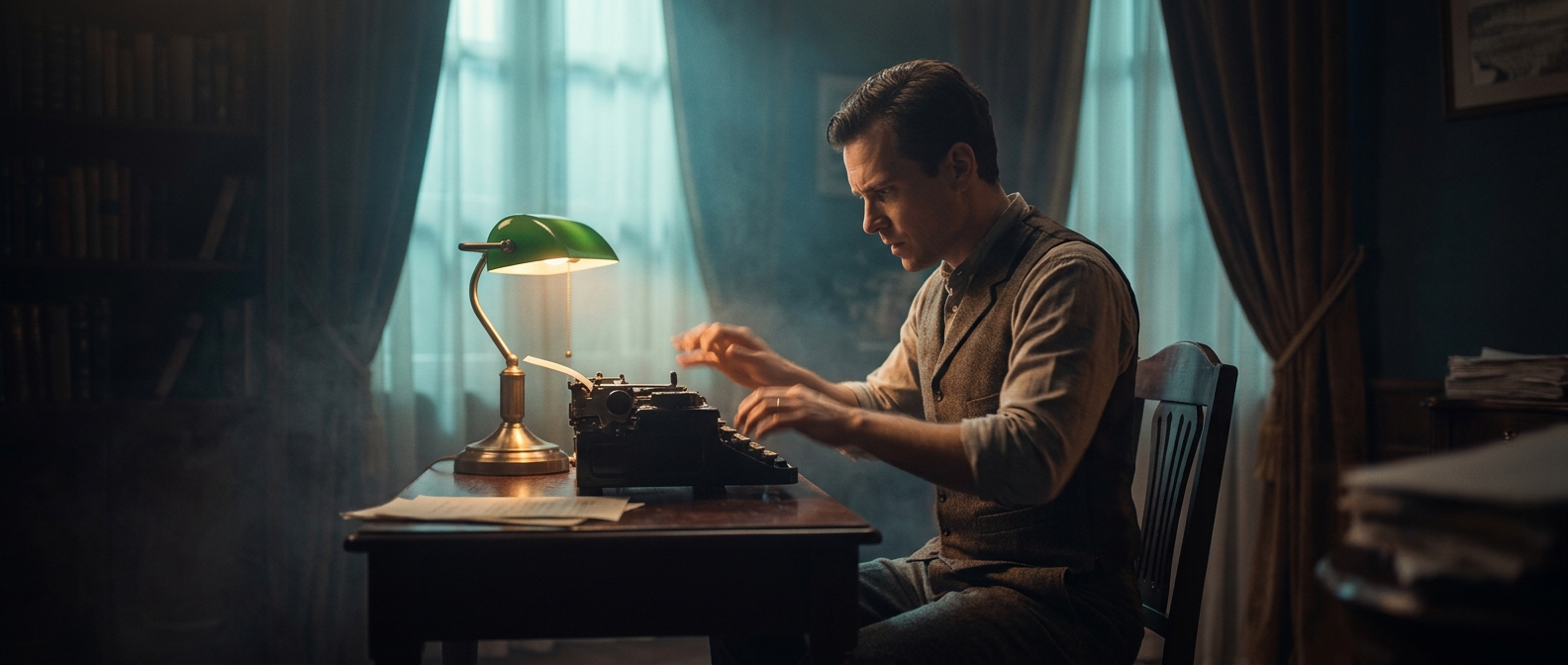
Why Investigators Keep Waiting on the Screen
A detective in a reenactment types furiously, as if each keystroke brings a suspect closer to capture. In a real investigation, the computer may be doing little that the operator can speed up. The dramatic gap comes from how evidence systems work: they often have to search, compare, or retrieve large collections of records before they can return a useful result.
The Slow Part Happens Out of Sight
A request might involve matching a fingerprint or checking a person against a database. The investigator enters or submits information, but the system must process it against stored material, sometimes across connected agencies or databases. That work can involve technical delays, queues, or the need for a specialist to review a possible match. Typing faster does not make those steps happen faster—and a result still needs interpretation before it can guide an investigation.
The screen can make this invisible labor look like instant action. A spinning indicator or an empty results panel offers little visual drama, so reenactments substitute rapid keystrokes for the slower reality: submitting a query, waiting, checking what comes back, and deciding what to do next.
Why the Keyboard Becomes the Prop
Television and film need viewers to see that a character is working under pressure. A burst of typing is an easy visual shorthand for urgency, even when the actual task is largely waiting. It also compresses a process that might stretch across multiple searches and human decisions into a few seconds of screen time.
That mismatch matters because a database result is not the same as an answer. It can point investigators toward a lead, but someone still has to assess whether the information is relevant and reliable. In real cases, the tense moment may be the pause after the query—when the system has yet to respond, and the next decision cannot be made until it does.