Why a Game Suddenly Gets Much Harder
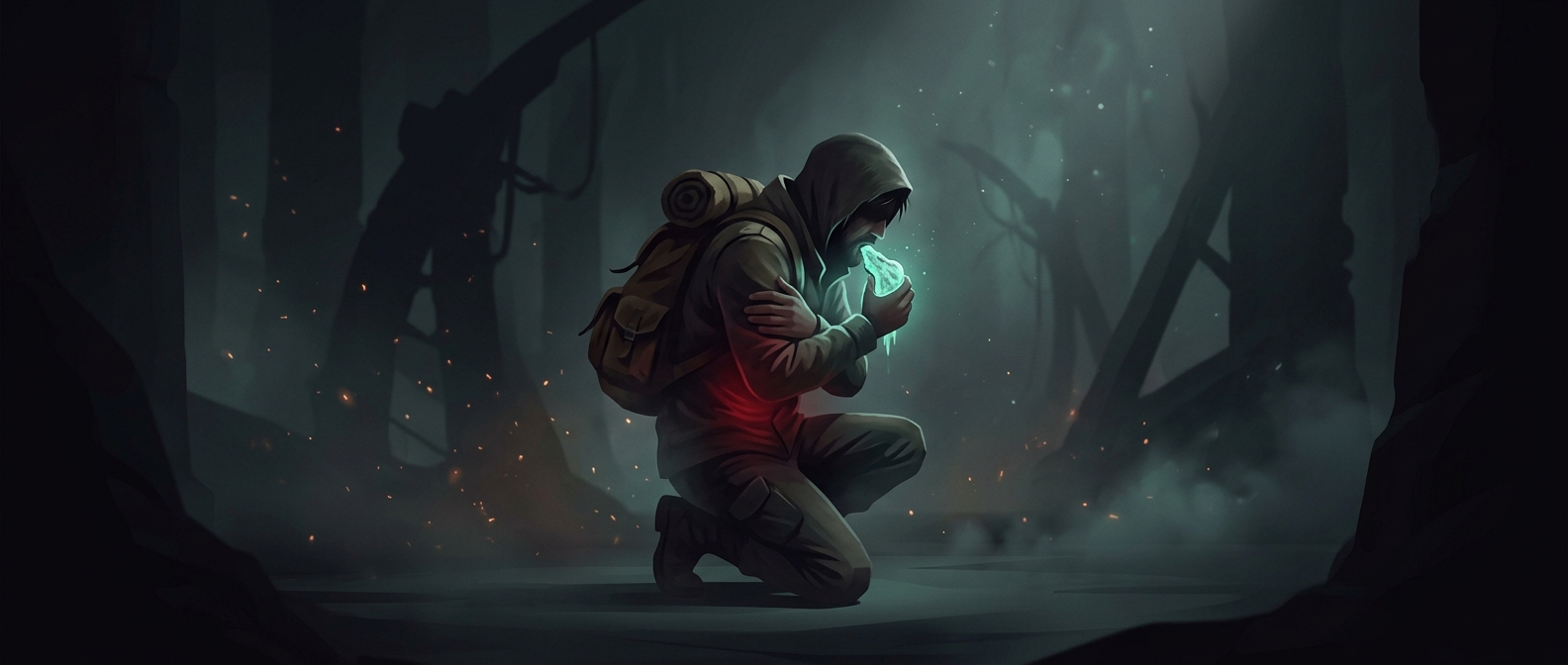
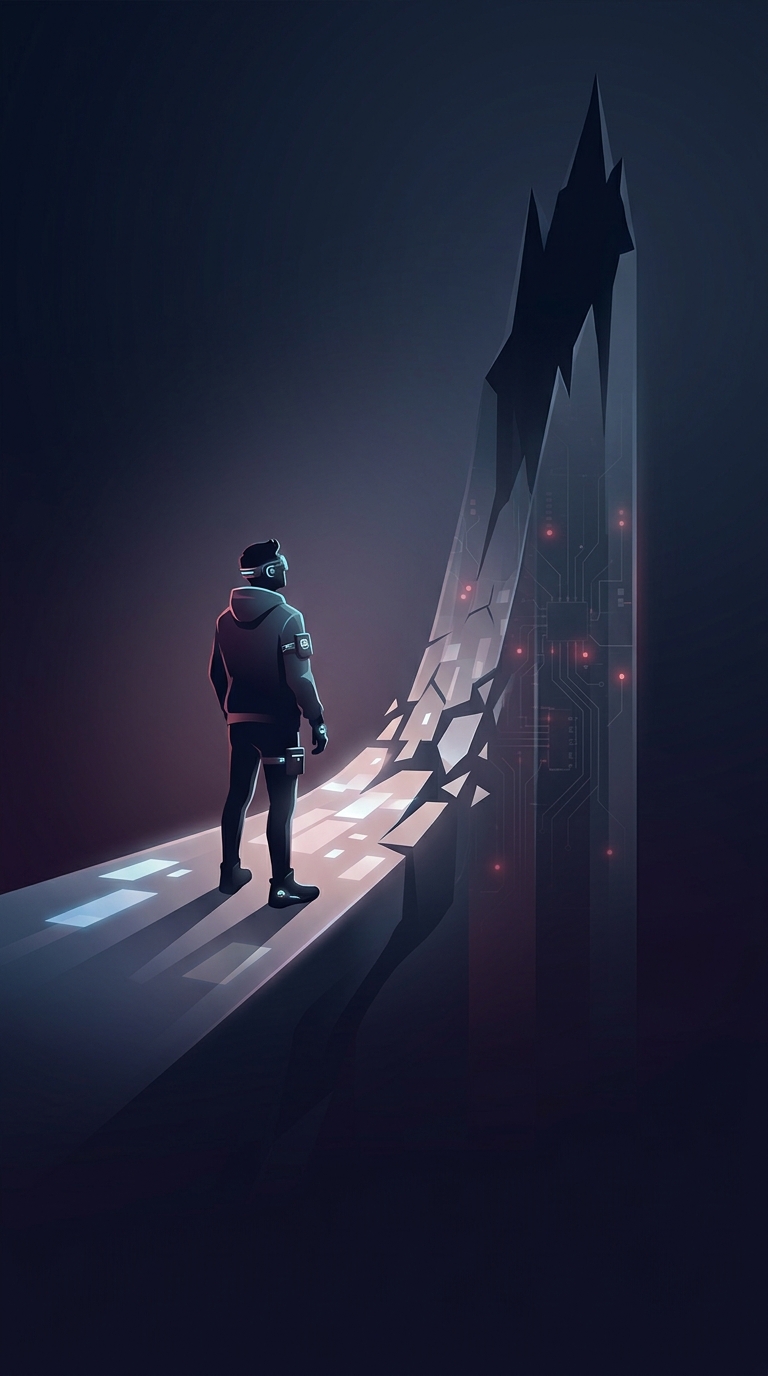
A sharp difficulty spike can turn a skill the player has practiced into a real test. Earlier sections may introduce a timing window, enemy pattern, or resource limit in manageable pieces; a later encounter combines them under pressure. The jump is deliberate when designers want the player to feel the difference between recognizing a lesson and being able to use it when mistakes matter.
That concentrated challenge also changes the rhythm. A long stretch of steady progress can make danger feel routine. A demanding boss, trap, or narrow passage forces attention back onto the game and can become a memorable landmark: the point where a player had to adapt rather than simply continue.
The Tradeoff Behind the Challenge
Designers have to decide whom the game is asking to satisfy. A demanding section can reward players seeking mastery, give an optional route or high-value reward a meaningful cost, or make a story-critical confrontation feel consequential. But if the test arrives before the game has taught its rules—or demands precision the controls cannot reliably support—it may feel arbitrary instead of earned.
That is why the surrounding design matters. Clear cues help players understand what went wrong; checkpoints can make another attempt less costly; and a chance to change equipment or strategy can turn failure into useful information. These choices do not remove the challenge. They make it more likely that players will interpret a loss as a problem they can solve.
A spike is therefore a gamble, not a free source of excitement. Some players will leave, while others will remember the obstacle precisely because overcoming it required a new level of attention. The design succeeds when the difficulty feels like a demanding test of the game’s established rules—not a sudden change in the rules themselves.