Why a Squeaky Toy Keeps a Dog Coming Back
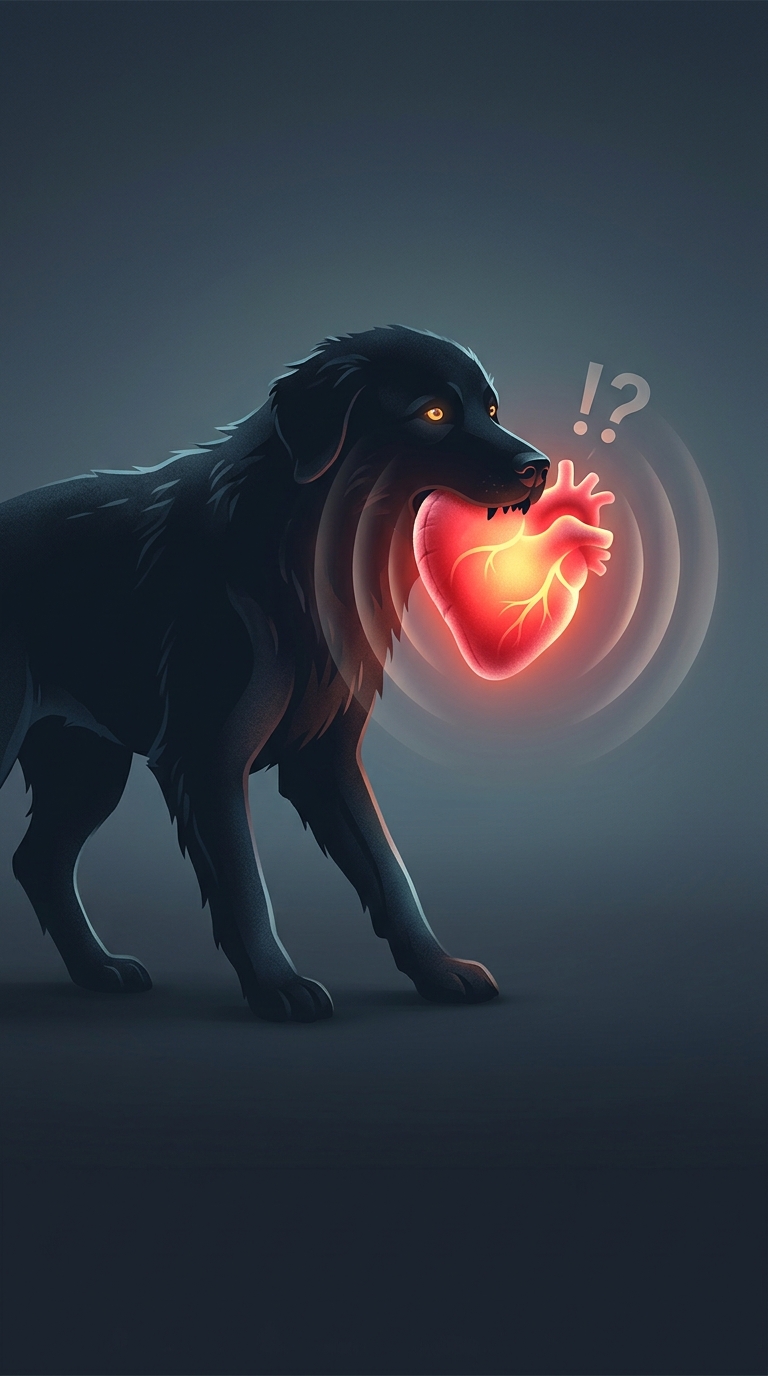
The squeak makes the toy react to the dog’s bite. That can turn an ordinary plush into something more compelling: each chomp produces an immediate sound, giving the dog a reason to bite again.
For some dogs, the sharp, high-pitched noise may also resemble the sounds of small animals. Dogs’ ancestors hunted for food, and many modern dogs still show parts of that predatory behavior in play—chasing, grabbing, biting, or shaking an object. A squeaker can make those actions feel especially rewarding without the toy being actual prey.
A Tiny Feedback Loop
The mechanism is simple: bite, squeak, repeat. The sound is a form of feedback, meaning the dog gets an immediate response to its action. That response can keep play engaging, much like a toy that moves when nudged.
The plush gives the dog something soft to grab, while the squeaker supplies the payoff. Some dogs may carry or cuddle a favorite toy instead; others focus on making it squeak, or lose interest once the sound stops. Individual temperament and play style matter, so there is no single explanation for every dog.
When Play Gets Too Intense
A dog that bites hard or shakes a toy may be acting out a normal play pattern, not showing anger. Still, squeaky toys should be sturdy enough for the dog, and play is worth supervising if the dog tears toys apart. A swallowed squeaker or pieces of stuffing can be dangerous.
The satisfying part is the dog’s control over the sound: every bite makes the toy answer back.