A Serious Injury Hidden in Plain Sight
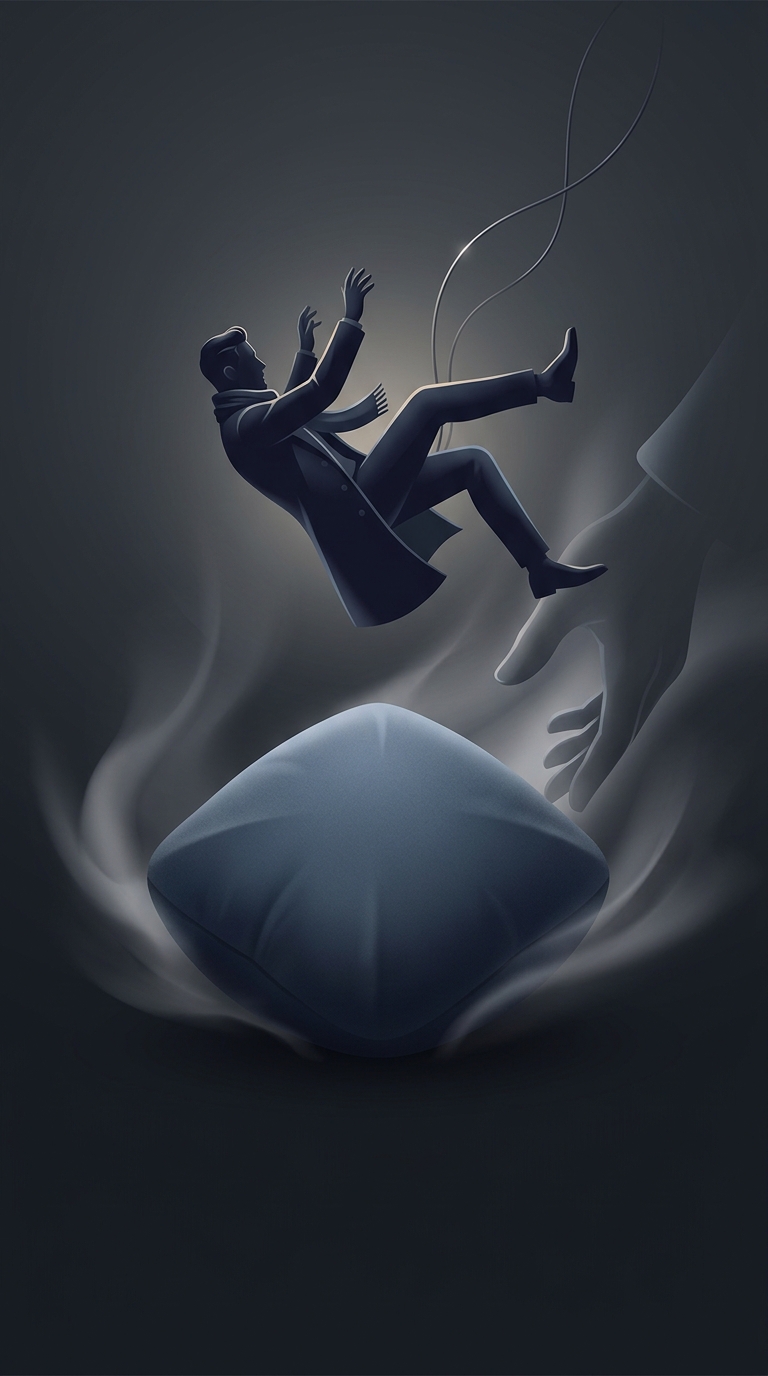
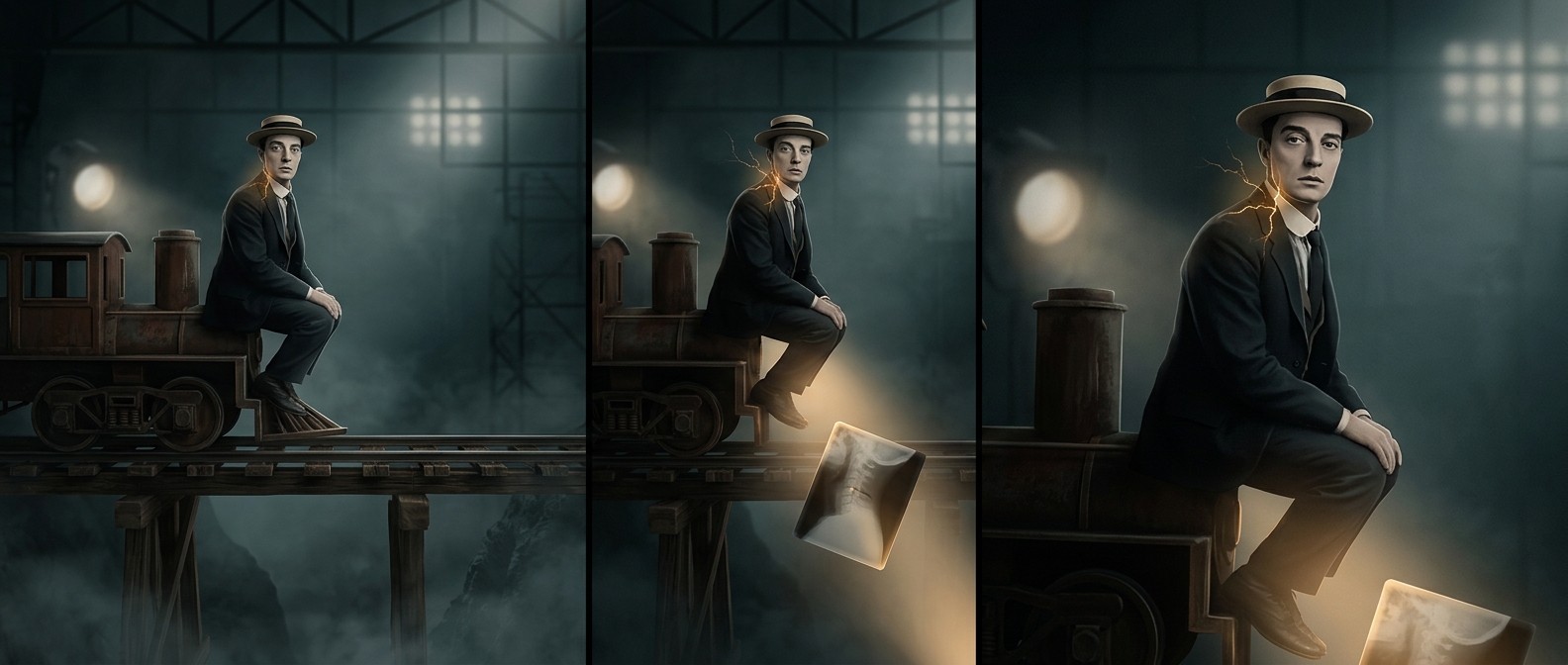
A broken neck sounds like an injury that would immediately prevent someone from moving. But “broken” describes damage to a bone, not necessarily a bone that has shifted out of place. If a fracture leaves the neck’s alignment stable and does not injure the spinal cord, a person may retain movement and feel far less pain than the injury’s name suggests. That does not make such an injury safe: a fracture can still be dangerous, and symptoms alone cannot establish what happened.
Keaton’s experience shows how easily a dramatic impact could be mistaken for a passing headache when no one recognized the underlying injury. A routine examination years later—not the moment of the stunt—finally brought the old fracture to light.
The Risk Behind the Deadpan
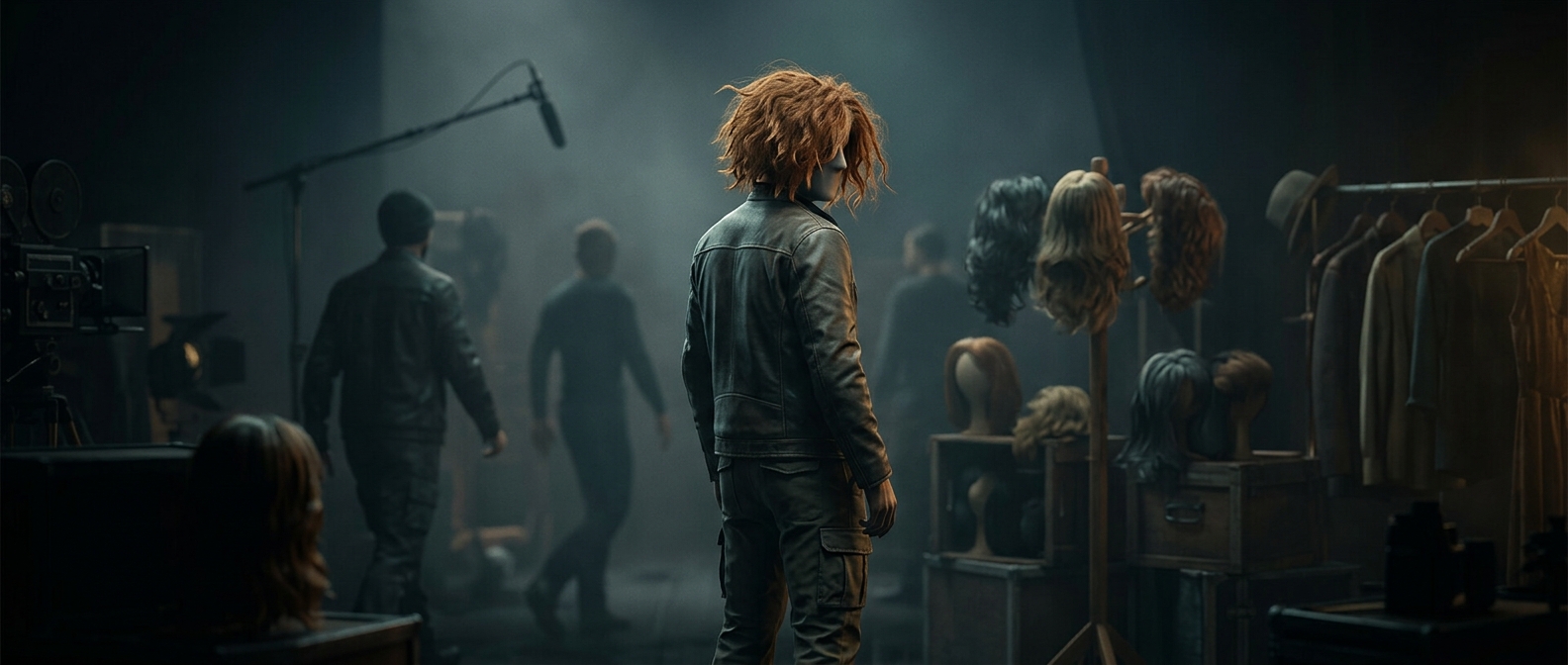
Keaton’s screen persona depended on a striking contrast: a seemingly unflappable man amid physical chaos. In silent comedy, a stunt’s force had to read visually, and a real impact could make the joke convincing. The camera could capture the fall, but it could not reveal whether an injury had occurred beneath the performance.
The lasting irony is that the injury remained invisible even to Keaton for years. His story is a reminder that continuing to function after an impact is not proof that the body escaped serious harm.