A Nightmare Can Build a Threat Without a Picture
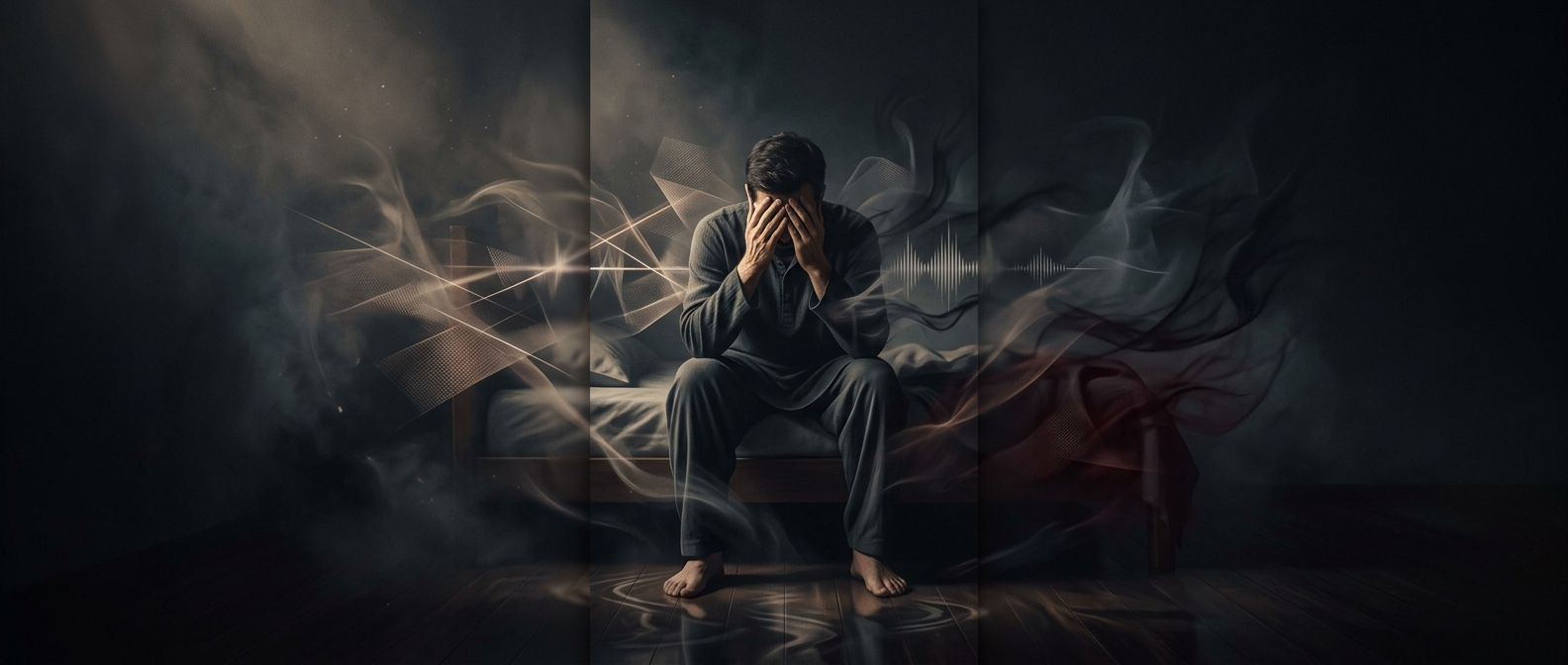
A nightmare does not need a visual scene to feel vivid. Dreams draw on the senses a person uses while awake, so a blind dreamer may experience a threatening sound, an unexpected touch, movement through space, or the feeling of being chased. Fear can come from recognizing danger in those sensations, not from seeing what is causing it.
For example, imagine a dream in which footsteps follow close behind and a door cannot be found. The footsteps’ rhythm, the growing sense of proximity, and the difficulty escaping can create suspense even if the dream contains no visual imagery.
Blindness Does Not Shape Every Dream the Same Way
Dream experience varies with a person’s history of sight. Someone blind from birth generally does not report visual imagery in dreams, while someone who lost sight later may still dream visually. Dreams can also combine senses: sound, touch, and awareness of one’s body may carry much of the scene.
That difference matters because “sensory” does not mean less detailed or less frightening. A nightmare can make a threat feel immediate through a sudden noise, an unfamiliar surface underfoot, or the inability to locate a person by touch. The emotional force comes from the danger the dreamer experiences, not from whether the danger can be seen.