When a Comedy’s Joke Becomes a Political Problem
The premise turns on a sharp contrast: a fashion model, a figure associated with image and performance, is made into an unwitting would-be assassin through brainwashing. The target is not a real officeholder but a fictional prime minister. That distinction keeps the story in the realm of invented political satire, yet the plot still puts an attack on the country’s highest political office at its center.
Fictional Targets Can Still Carry Real Stakes
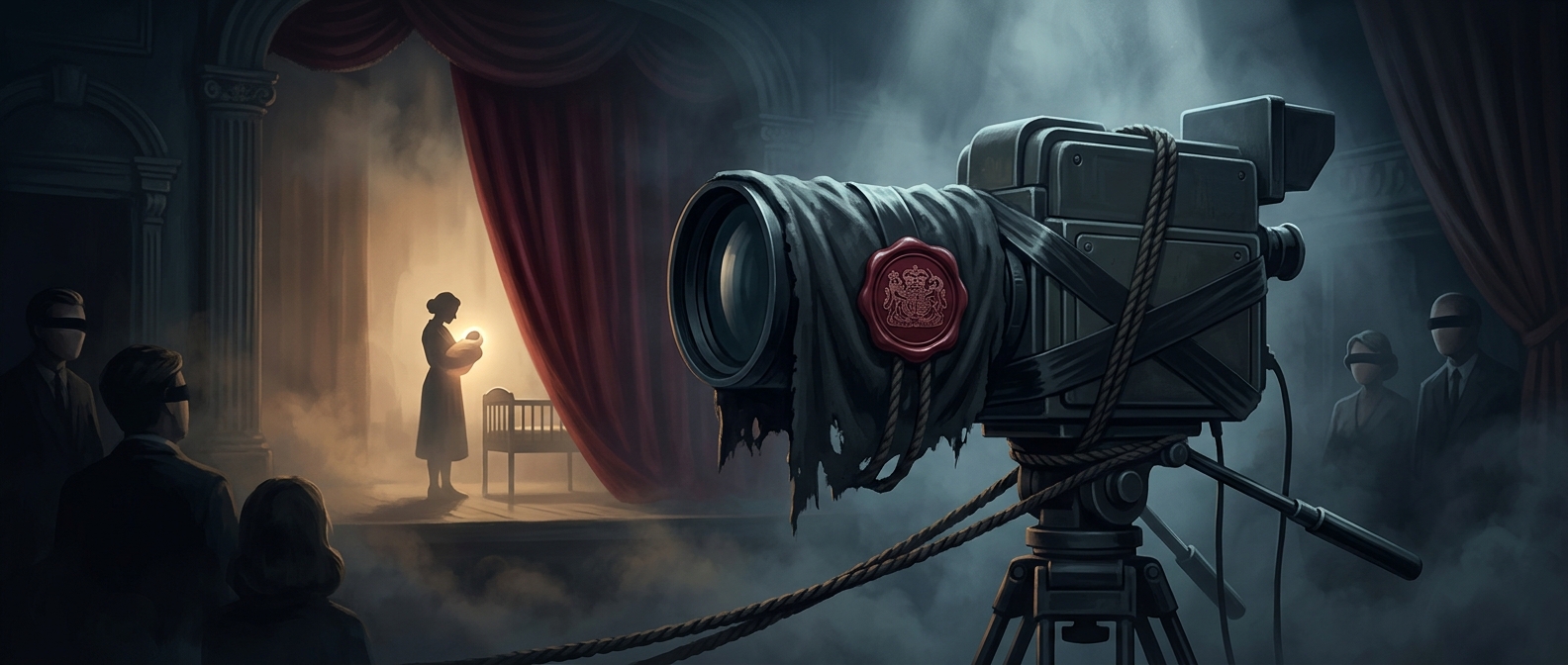
A ban means the film could not be shown through ordinary legal channels in Malaysia. It does not, by itself, tell us what specific concern led to the decision. But the premise illustrates why political comedy can be sensitive even when its characters and leader are fictional: audiences can recognize the real-world institution behind an invented prime minister, while a plot about political violence can carry implications beyond its joke.
The result is a collision between comic absurdity and a subject with serious public meaning. Brainwashing makes the model’s actions part of the gag; the assassination plot makes the stakes unmistakable. Fiction changes the names, but it does not necessarily remove the political charge.