A legal threat changed D&D’s fantasy vocabulary
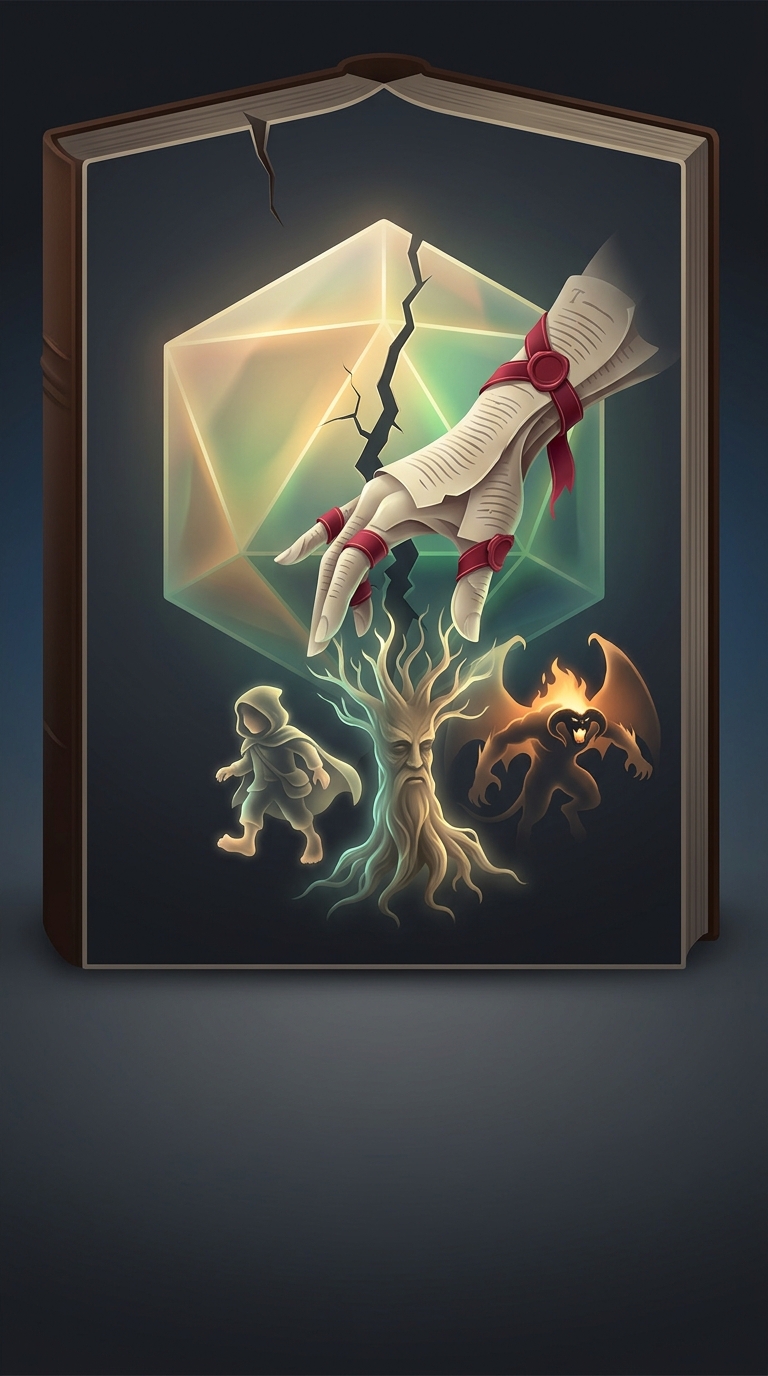
Early Dungeons & Dragons borrowed recognizable creatures from J.R.R. Tolkien’s fiction, including hobbits, ents, and balrogs. That created a practical problem: some names were strongly associated with Tolkien’s work, and the game’s publisher faced pressure from the Tolkien estate over their use. The response was not to abandon the creatures’ roles in play, but to rename them.
Hobbits became halflings, ents became treants, and balrogs were placed under the game’s demon categories as Type VI demons. Later D&D material used the name “balor” for a similar creature. These labels helped distinguish the game’s own fantasy world from Tolkien’s.
The rules could outlast the names
In a role-playing game, a creature is more than a word on a page. It has abilities, strengths, and a place in the imaginary world the players build together. Changing a name could preserve much of that game function while making the creature feel less like a direct lift from a famous book.
The episode also shows why fantasy publishers have to think about both what a creature is called and how it is presented. A familiar name can point directly to another creator’s work; a new label gives designers room to define the idea within their own setting. For players, the lasting result was a vocabulary that became part of D&D’s identity: a halfling could still fill the small-adventurer role, but it was now a D&D term rather than Tolkien’s.