Why a fantasy role-playing game can raise prison concerns
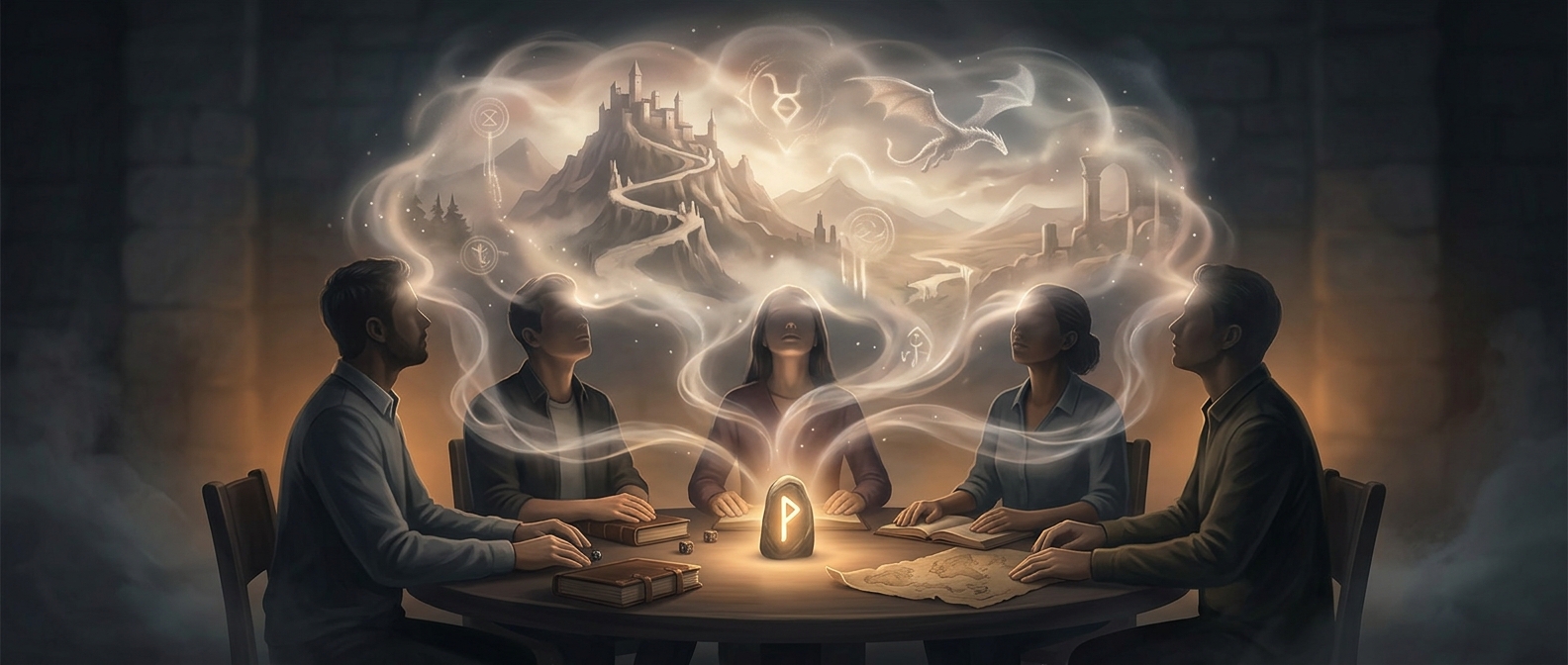
Dungeons & Dragons is played through conversation, dice, and shared maps. One player usually acts as the Dungeon Master, describing a fictional world and adjudicating what happens; the others control characters who make decisions together. The group may draw maps, assign characters specialized roles, and plan how to get through a guarded dungeon.
In a prison, staff may view those ordinary game materials and group dynamics through a security lens. Maps, coordinated plans, and an informal leader can resemble features of real-world organization, even when the setting is imaginary. Restrictions can therefore reflect concern about how an activity might be used or interpreted—not a claim that a dragon-filled adventure is itself a practical escape manual.
The problem of judging a game by its components
A fictional map can be harmless inside the story, but a facility may have rules about drawings, paper, dice, group gatherings, or materials that could be repurposed. Those rules are intended to reduce opportunities for concealment, coordination, or disputes. The challenge is that the same items and behaviors can serve very different purposes: a player’s character may command a fantasy party, while the player is simply taking a turn in a game.
That leaves room for broad restrictions, and policies can differ among facilities. The consequence is that a game built around collaborative problem-solving may be treated less as entertainment than as a potential security question. In prison, the setting on the map may be fictional, but access to the map—and to the game around it—is governed by real institutional rules.