How radioactive decay becomes a trickle of power
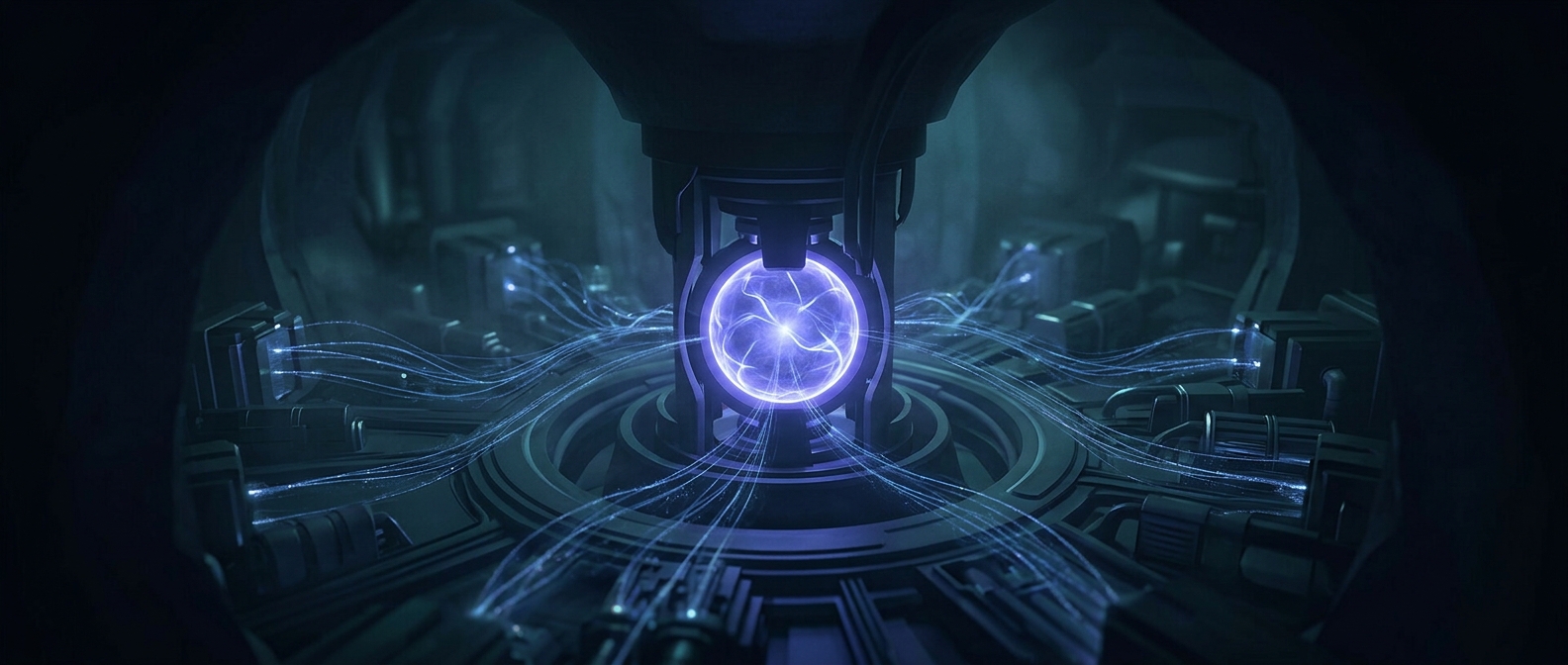
Promethium’s usefulness comes from what happens inside its atoms as they decay: they emit fast-moving electrons, called beta particles. In a betavoltaic device, those electrons enter a semiconductor—the kind of material used in ordinary solar cells—and knock electrons loose within it. The resulting mobile charges can be directed into an electric current.
A built-in electric field in the semiconductor helps separate the charges before they recombine. That is the key resemblance to a solar cell: both devices turn energetic particles into electrical power. The difference is the source. A solar cell relies on incoming light; a betavoltaic cell gets its energy from radioactive decay.
Why a little power can matter
The output is modest, so this is not a way to run a large motor or replace a conventional generator. Its value is that it can provide steady electricity without needing sunlight, fuel deliveries, or frequent access for battery changes. That can suit a remote sensor or other low-power instrument whose job is simply to keep measuring and transmitting.
The tradeoff is built into the source. As the radioactive material decays, its emissions—and therefore the device’s available power—decline. The semiconductor also has to capture enough of the emitted energy to make the arrangement worthwhile. Betavoltaics trade high power for a long-lived, self-contained trickle, which can be exactly the right bargain when reaching the equipment to repair it is harder than keeping it running.