A fleet too large for its passengers
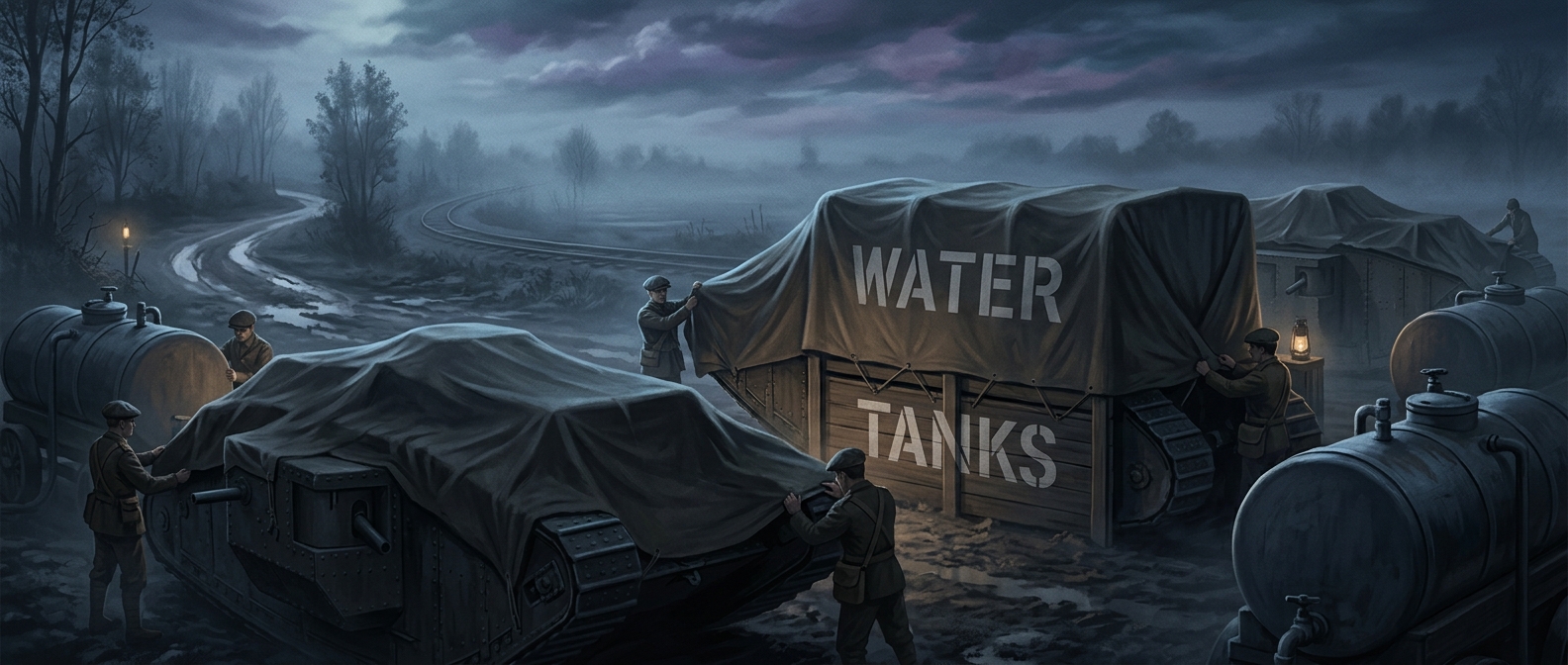
The Fourth Crusade was organized to attack Muslim-ruled Egypt, a route crusaders hoped would help them reach Jerusalem. Venice agreed to build and crew a fleet for the expedition, but far fewer fighters arrived than the contract anticipated. The crusaders could not pay the full cost, leaving Venice with ships and supplies it had invested in—and a large unpaid bill.
Venice’s doge, Enrico Dandolo, proposed that the crusaders repay part of the debt by helping capture Zara, a wealthy port on the Adriatic. The city was Christian, and the pope had forbidden the attack. Still, the crusaders besieged and took it in 1202. The detour turned a financial emergency into a military campaign against fellow Christians.
A claimant offers a way forward
While the army wintered at Zara, envoys brought an offer from Alexios, son of the deposed Byzantine emperor Isaac II. Alexios promised money, military support, and help for the crusade if the army restored his father to the throne. Those resources could solve the crusaders’ immediate problems, so they agreed to sail to Constantinople.
They helped put Isaac and Alexios on the throne in 1203. But the new rulers struggled to deliver the promised payments, and their efforts to raise money deepened tensions with the city’s population. When opposition toppled them, the crusaders no longer had a cooperative government—or a clear way to collect what they had been promised.
The cost of the detour
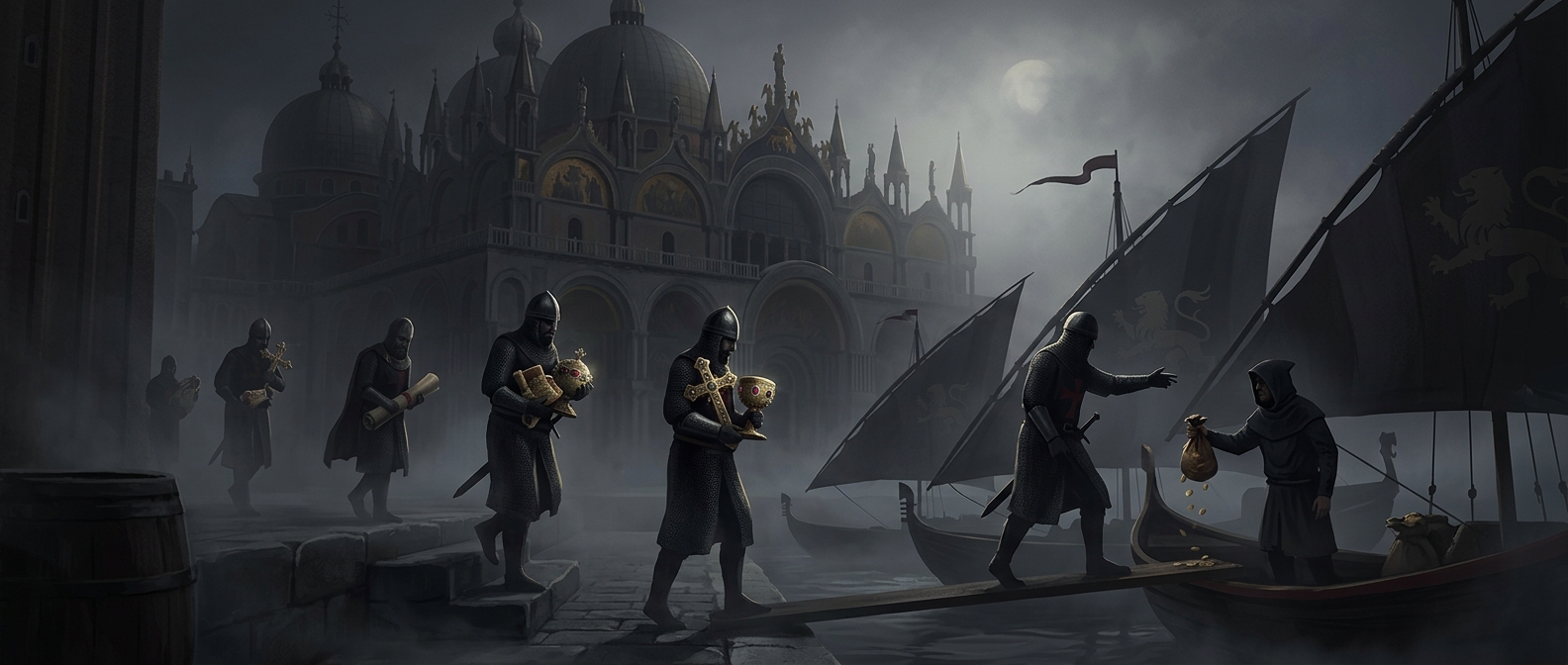
In April 1204, the crusaders captured and sacked Constantinople, the capital of the Byzantine Empire, a Christian state. They seized wealth and divided territory, establishing a Latin Empire that lasted until Byzantine forces recaptured the city in 1261.
The sack did more than redirect one expedition: it inflicted lasting damage on relations between Western European Christians and the Byzantines. The crusaders had started with a destination in the eastern Mediterranean; a chain of debts, bargains, and failed promises made the Christian capital their final conquest.