Why a ceramic token makes a sharper sound
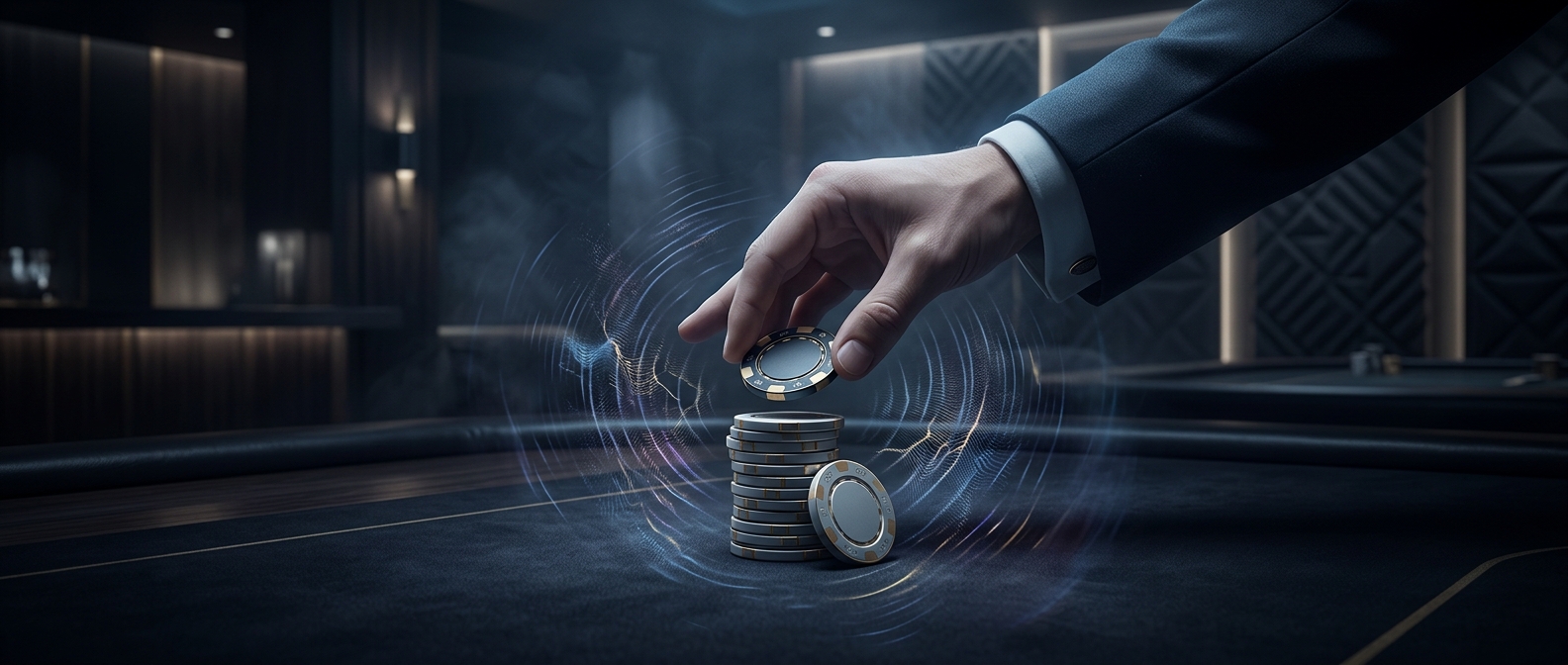
When a token hits another token or a table, the collision briefly makes both objects vibrate. The sound depends on which vibrations the impact excites and how quickly they fade. Ceramic is stiff, so it bends very little during a collision. That short, abrupt impact can excite relatively high-frequency vibrations—the faster vibrations heard as a bright ping.
Plastic usually flexes more and converts more of the impact’s energy into internal motion and heat. Its vibrations tend to be less sharp and die away differently, producing a softer, more muted sound. This energy loss is called damping: the material’s tendency to quiet its own vibrations.
Material is only part of the sound
Density alone does not determine whether an object pings. Stiffness, shape, thickness, and the object it strikes all matter. A thin ceramic piece and a thick one can vibrate differently, and a token landing on a padded mat will sound less bright than one striking a hard tabletop. The distinctive sound comes from the whole collision, not from the material in isolation.
The tradeoff in a game piece
A crisp click can make handling tokens feel more immediate: players hear pieces meet, stack, or land, adding a small layer of feedback to a move. But ceramic is also more brittle than many plastics, so a piece that sounds satisfyingly sharp may be less forgiving when dropped. The same rigid structure that helps create a ping can make a token more likely to chip or break on a hard surface.