The interface turns a gesture into a sustained load
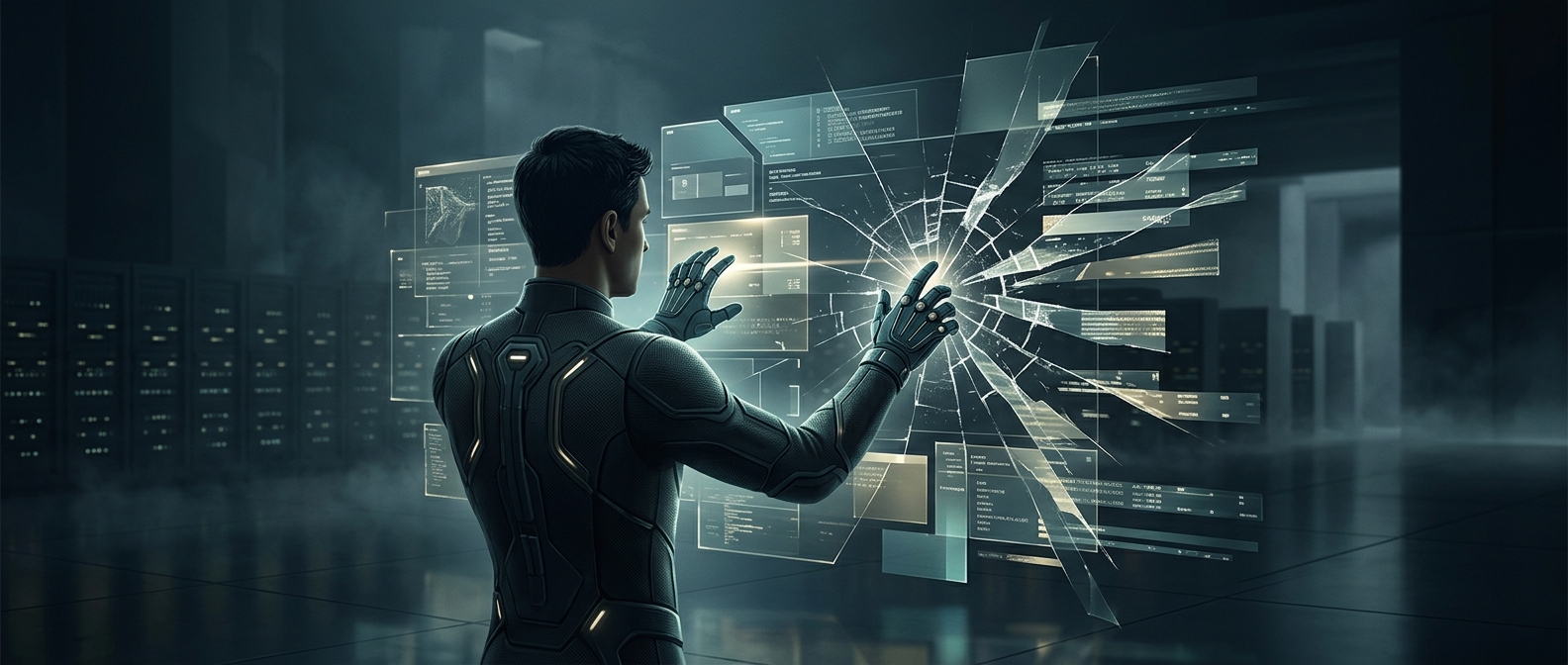
In Minority Report, Tom Cruise’s character sorts through information by reaching toward a display and sweeping his hands through the air. The gestures make invisible data look tangible: he can grab, move, and rearrange it as if the screen were a physical surface. But the body has to do more than make a quick gesture. It must keep the arms lifted and ready between gestures, too.
That creates a familiar ergonomic problem. The shoulder muscles must continuously hold the weight of the arms away from the body. Because the arms are extended, their weight acts through a longer lever, demanding more effort than it would with elbows resting at the sides or forearms supported on a desk. This is a static load: the muscles stay engaged without much change in position. Even when the hands appear to be doing little, the shoulders are still working.
A persuasive demo is not a practical work posture
The design is effective on screen because broad, deliberate movements are easy for an audience to follow. They give the fictional interface a sense of physicality and make the character’s choices visible. A real system used for longer tasks would face a different test: whether people could interact without keeping their arms suspended.
That is why gesture interfaces often need ways to reduce reaching, such as letting users work closer to the body or rest an arm on a surface. The visual trick that makes the scene memorable also exposes its tradeoff: an interface can feel wonderfully hands-on while asking the human body to act like a pair of raised, unsupported tools.