How a hockey game could run for ten days
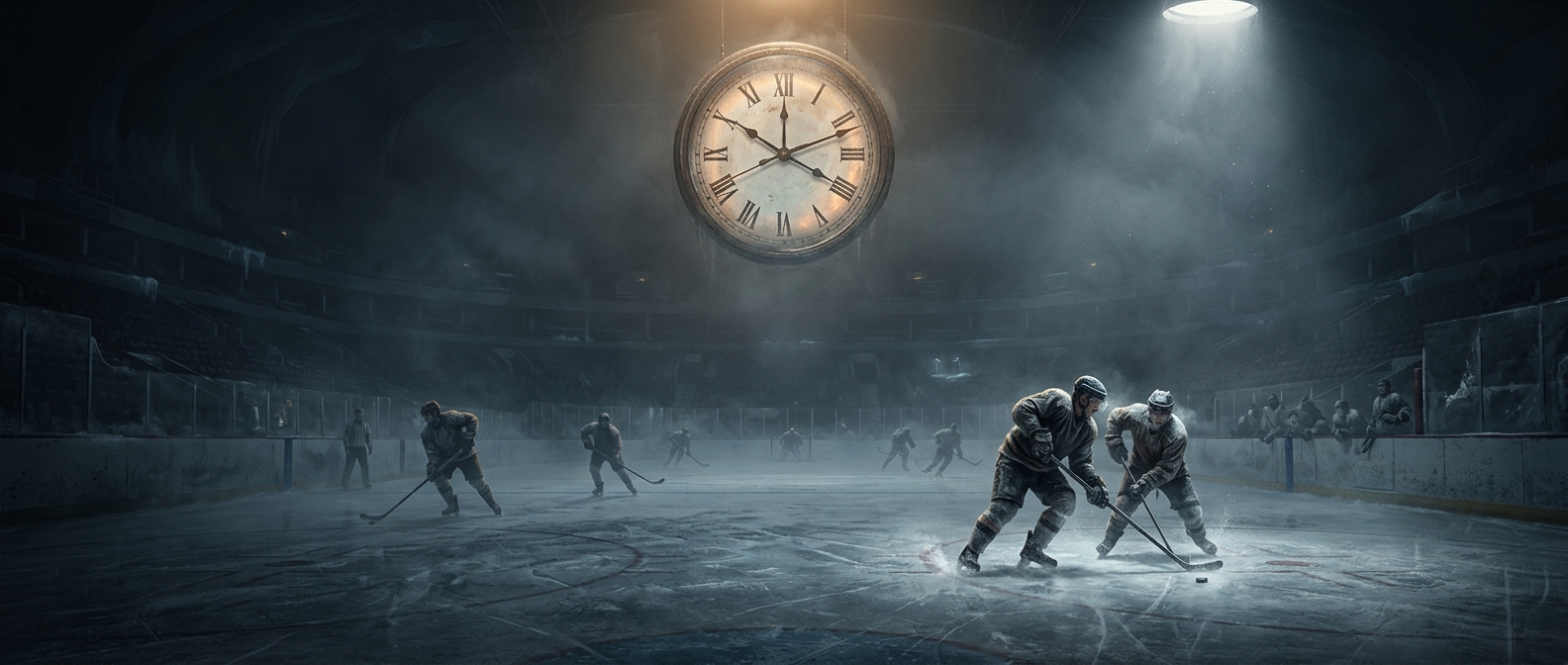
No team can keep the same players on the ice around the clock. The Alberta charity match worked as an endurance event: players took turns, so one group could rest while another kept the contest going. The unusual feat was not a single athlete’s stamina but the coordination needed to sustain play across more than ten consecutive days.
A game turned into a fundraiser
A normal hockey game is built around a short clock and fixed periods. Stretching one match over days changes the challenge: organizers and participants must manage fatigue, food, sleep, equipment and the handoffs between shifts without letting the game stop. The scoreboard gives those rotations a shared purpose—the next players return to continue the same contest rather than begin a new one.
That continuity also makes the event easy to follow. Every shift adds another small piece to a single, unfolding game, while the marathon itself draws attention to the charitable cause. The match’s scale comes from combining ordinary hockey play with an extraordinary schedule: the puck kept moving because people repeatedly stepped in to take their place on the ice.