A licensing rule became a test of political power
In 1855, Chicago’s new mayor, Levi Boone, backed two restrictions on taverns: a sharp increase in the cost of a liquor license and a ban on Sunday sales. These were not minor adjustments for a neighborhood saloon. The higher fee threatened the livelihood of tavern owners, while Sunday closing struck at a day when many working people gathered to eat, drink, and socialize.
The measures also landed amid a fight over who should shape the city. Boone was associated with the nativist Know-Nothing movement, which opposed the political influence of immigrants. Many of the tavern keepers and customers affected by the rules were German immigrants, for whom beer gardens and taverns were important parts of communal life. The crackdown therefore felt to many not only like regulation, but like an attempt to push their customs and community out of public view.
Enforcement brought the dispute downtown
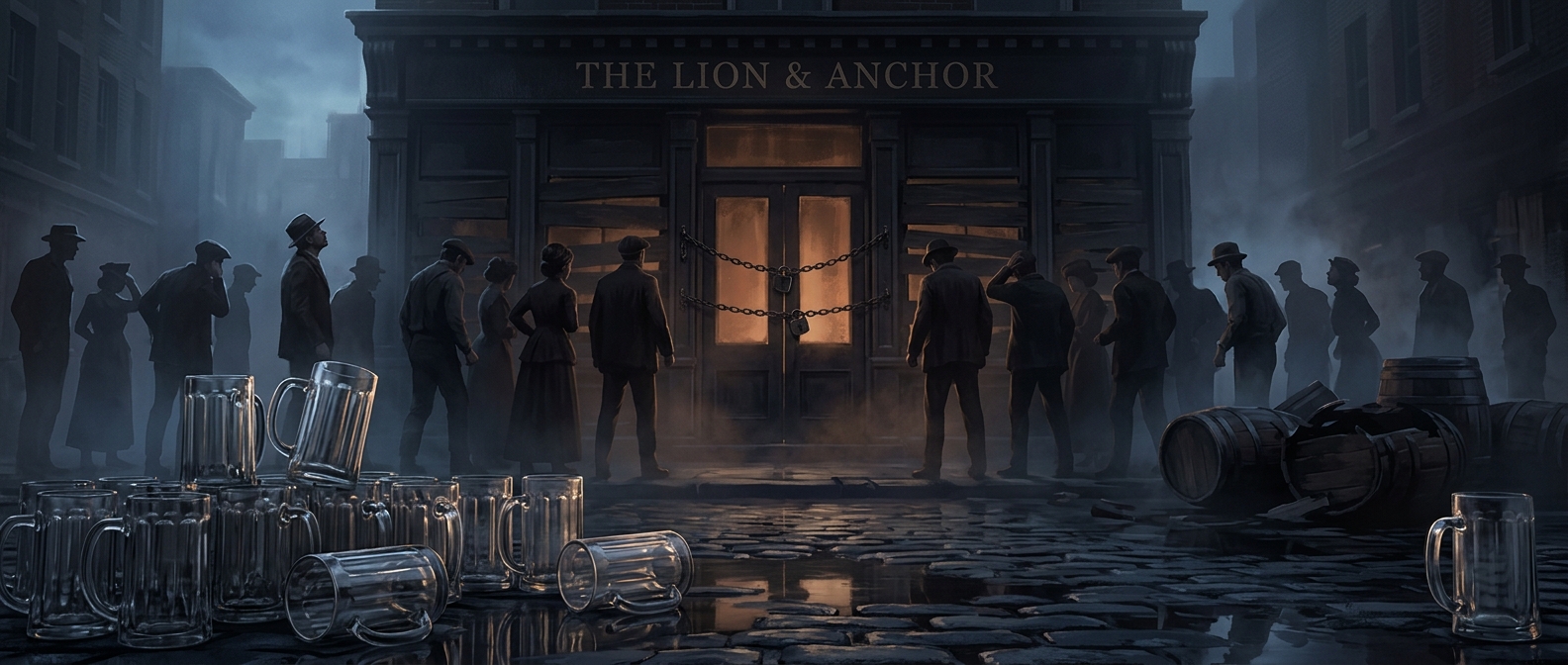
The ordinance acquired force when police began enforcing Sunday closure. Arrests of tavern keepers drew crowds into the streets; anger over the fees and the ban became a direct confrontation with city authorities. Thousands joined the protest, and the gathering grew into the violent episode remembered as the Lager Beer Riot.
That sequence mattered: a policy passed at City Hall became a street-level conflict once officials tried to make it real. Tavern doors, licenses, and arrests were the immediate issues, but the larger question was whether a city shaped by immigrants would let a nativist administration dictate how its residents gathered and ran their businesses.
The cost of a crackdown
The riot showed the limits of using police power to settle a dispute rooted in everyday life and political identity. A Sunday rule could be written as a city ordinance; enforcing it meant confronting the people whose work and social routines it disrupted. In Chicago, the attempt to close the taverns turned a licensing fight into a public test of whose customs belonged in the city.