A medieval marvel with a possible human story
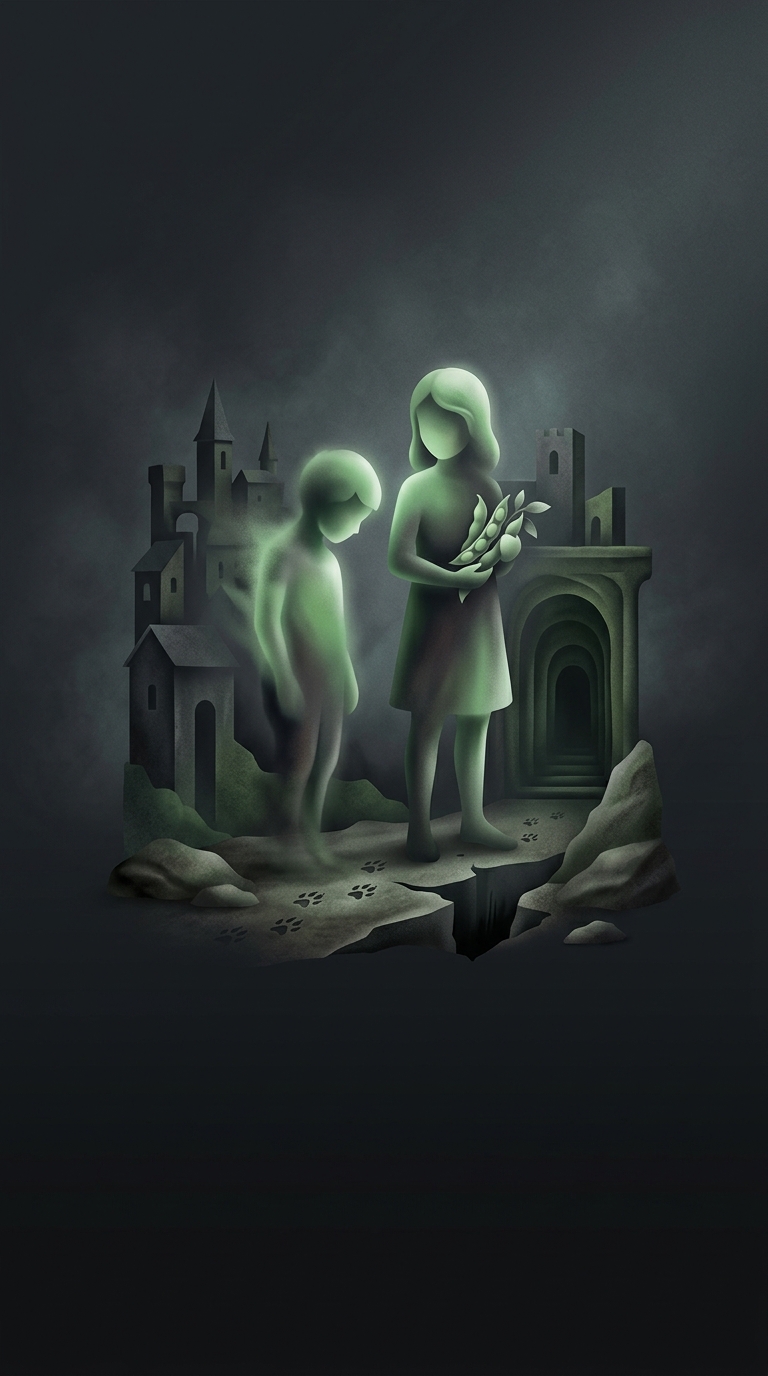
The Green Children of Woolpit are known through medieval accounts, not through records that let historians verify every detail. The story was written down in the late twelfth century by two chroniclers, William of Newburgh and Ralph of Coggeshall. Their versions differ, and the distance between an astonishing tale and a documented event is hard to bridge.
That uncertainty matters: the children’s strange speech and green appearance may preserve a memory of real outsiders, but the accounts also belong to a world in which marvels were part of how chroniclers made sense of unusual events.
Why historians look to Flanders
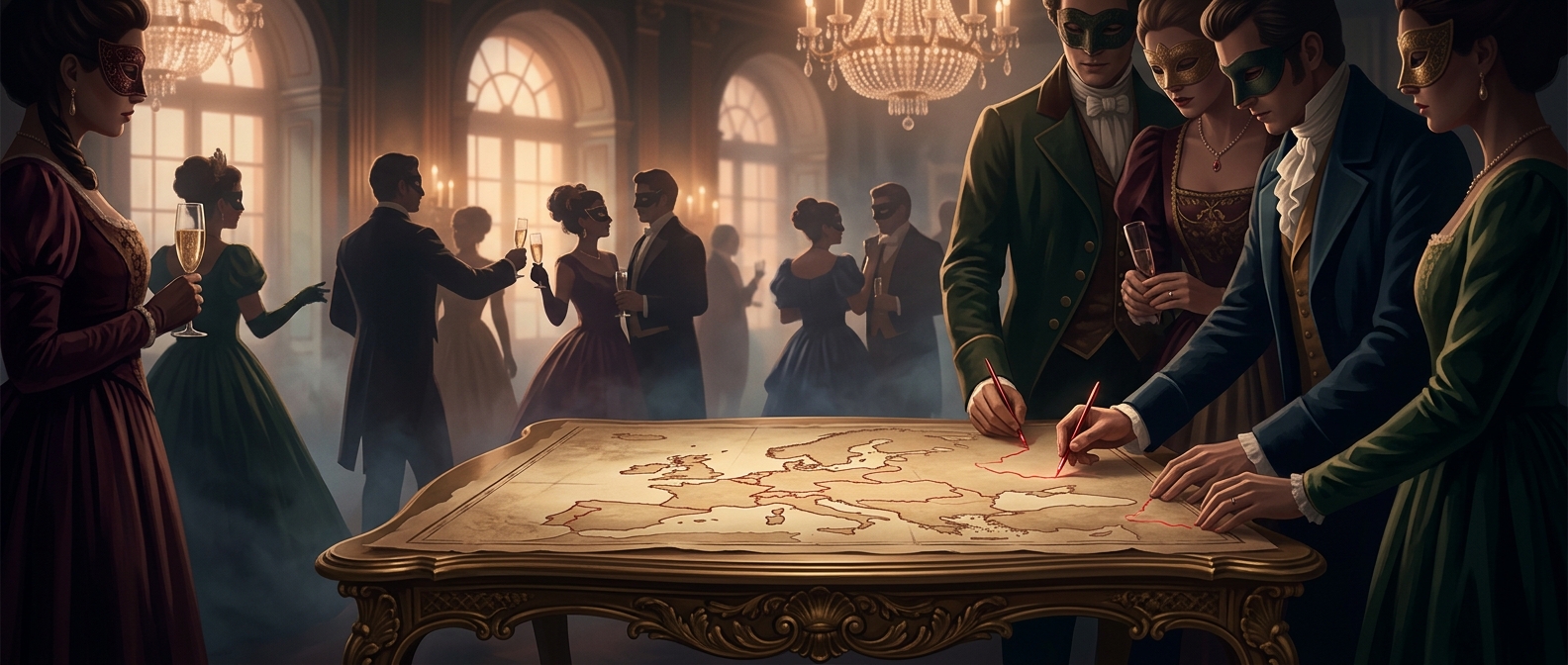
One practical explanation links the children to Flemish settlers. Flemish communities lived in parts of England, and conflict and displacement could leave newcomers separated from familiar neighbors and speech. Children arriving from such a community might have seemed to speak an unintelligible language to villagers who did not know it.
This theory offers a human route into the tale, but it remains a proposal, not a proven identification. The chroniclers’ reported detail that the children came from a place they called the land of Saint Martin has also been connected to Flemish geography, without settling the question of who they were or how they reached Woolpit.
The green skin is the hardest detail
The account says the children’s color faded after they began eating ordinary food. That has encouraged the idea that illness or malnutrition contributed to their appearance. A restricted diet can cause serious health problems, but the surviving story does not establish that it made their skin green. The broad beans, too, may be a remembered detail shaped by the chroniclers’ effort to explain an unfamiliar diet.
The tale endures because it leaves two kinds of evidence side by side: a village encounter that may have had a real basis, and details that resist a secure explanation. Even the most grounded interpretation cannot turn the children into identified refugees; it can only show how an extraordinary story might have grown from contact with people outsiders could not understand.