Why WASD letters can vanish before the keys do
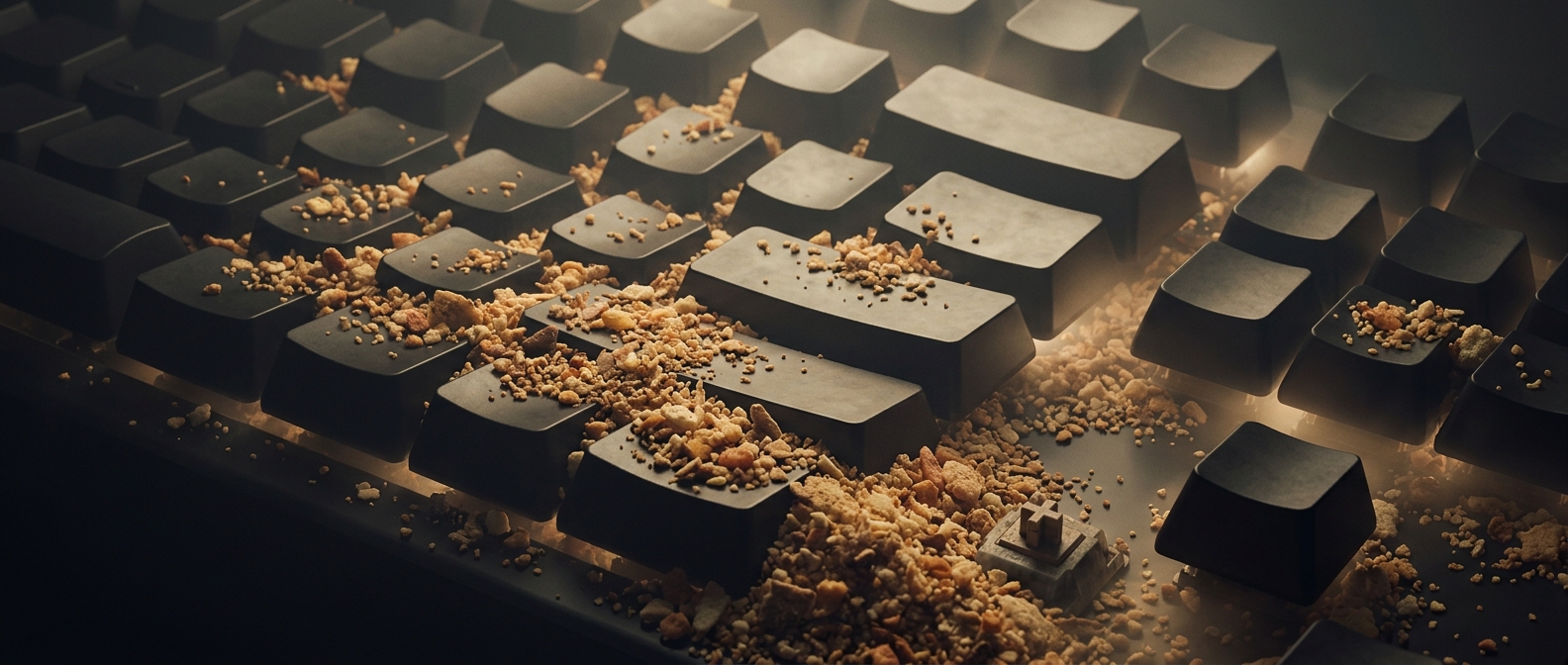
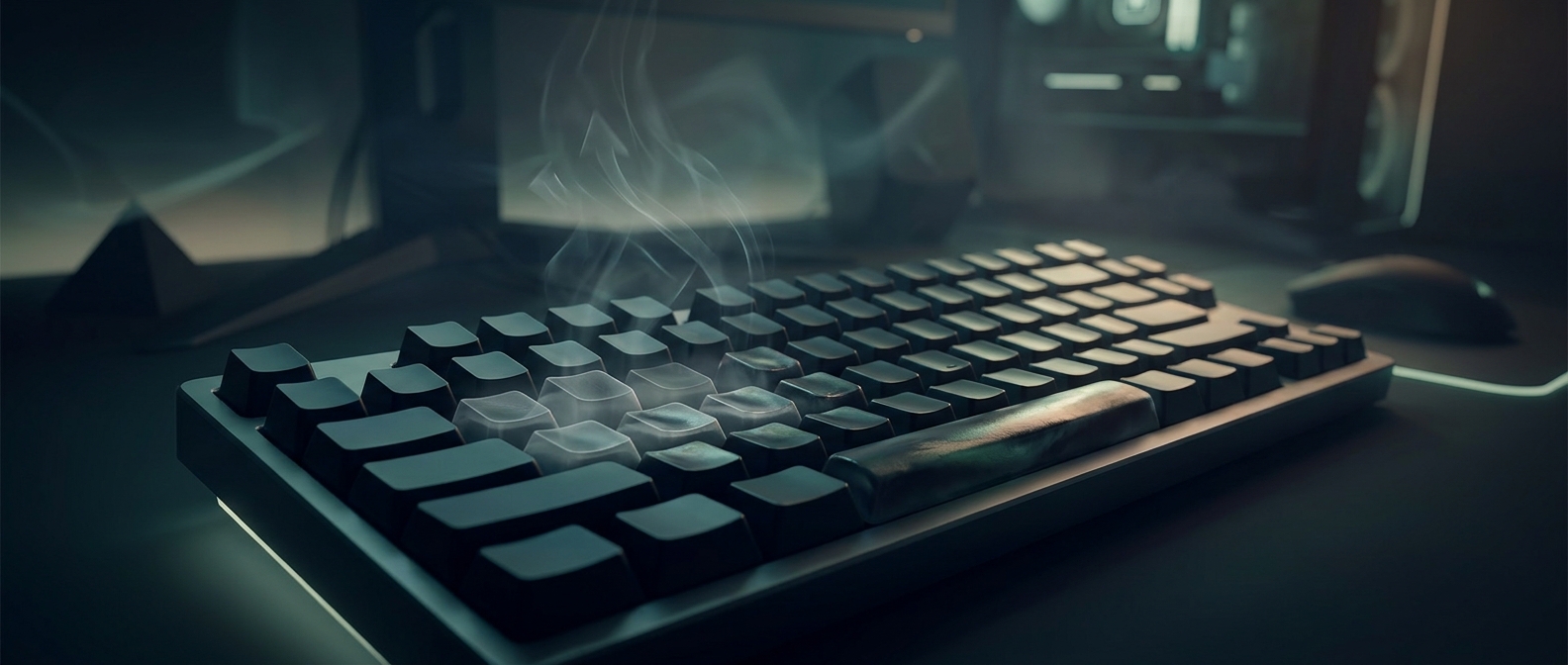
In many games, players steer with W, A, S, and D, tapping or holding the same small cluster of keys through repeated turns, dodges, and strafes. The fingers keep returning to those spots, so the keycaps—the removable tops of the keys—receive far more rubbing than most of the keyboard.
The letters are markings on or within those caps. On some keyboards, a legend is printed or coated onto the surface. Repeated contact, along with skin oils and grit, gradually abrades that marking. The plastic key itself may remain perfectly usable even after its letter has worn away.
The surface finish tells part of the story
Wear can change the keycap before the legend disappears. A frequently pressed cap may become smoother or shinier as its original texture is rubbed down. That polished patch is a record of where a player’s fingers land—not necessarily evidence that the switch underneath is failing.
How quickly the letters fade depends partly on how the keycaps are made. Surface-applied legends are more exposed to wear; other designs form the lettering within the cap material, making it much harder to rub off. So two keyboards used for the same game can age differently.
A blank key can still be a familiar one
For practiced players, the cluster’s position and the feel of each key can matter more than the printed letters. Once the markings are gone, the worn caps still guide the same movements—while making the keyboard’s most-used controls visible at a glance.