How a Glow Pulls an Object Forward
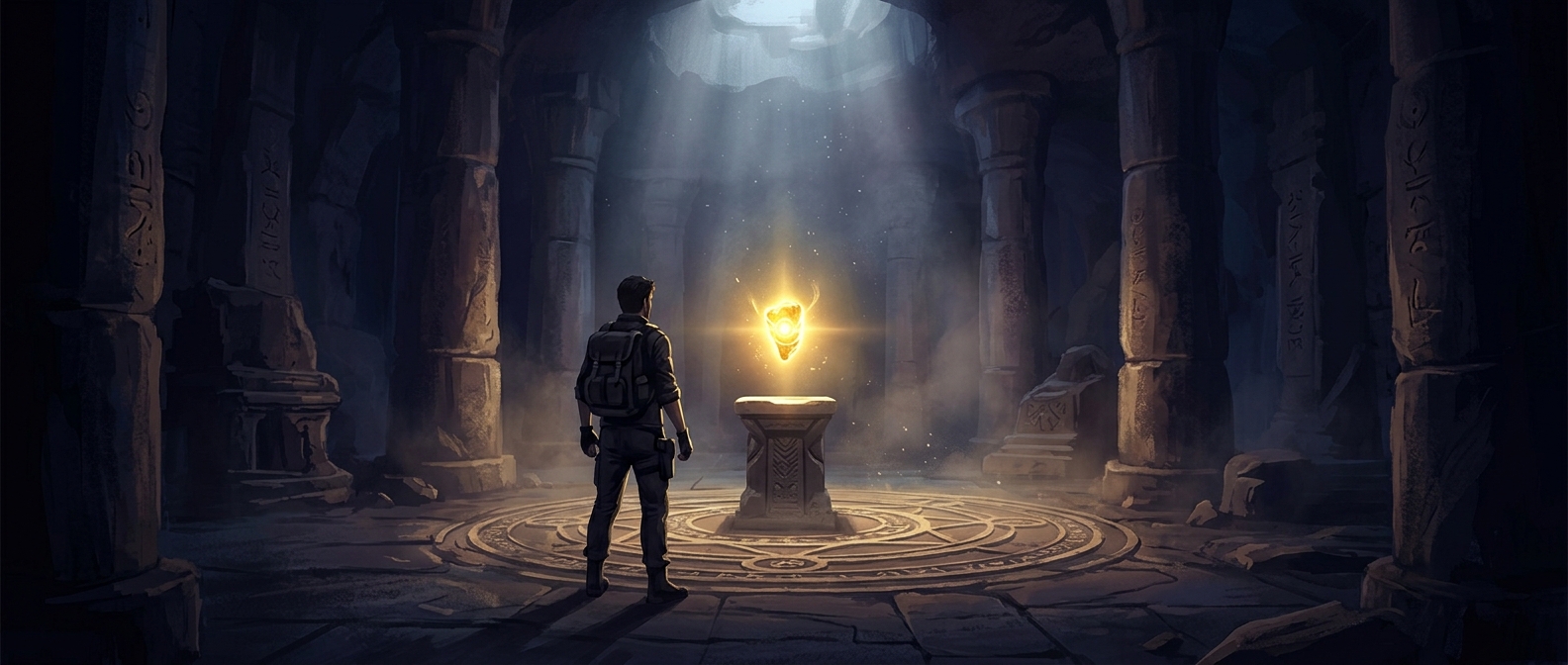
A glow changes more than an object’s brightness. It creates a soft halo that separates the object from the scene around it, giving the eye a strong cue to notice it. That matters in a game, where players may be moving quickly, scanning a crowded screen, or still learning which details are useful. A key can be physically small yet visually prominent if its outline and surrounding light stand apart from the background.
The cue also works without words. A player who has not learned the rules can still infer that a luminous object deserves attention. Once the player approaches or interacts with it, the game can confirm that attention was useful: the object is collectible, opens a route, or advances the task. The visual emphasis and the action reinforce each other.
Emphasis Has a Cost
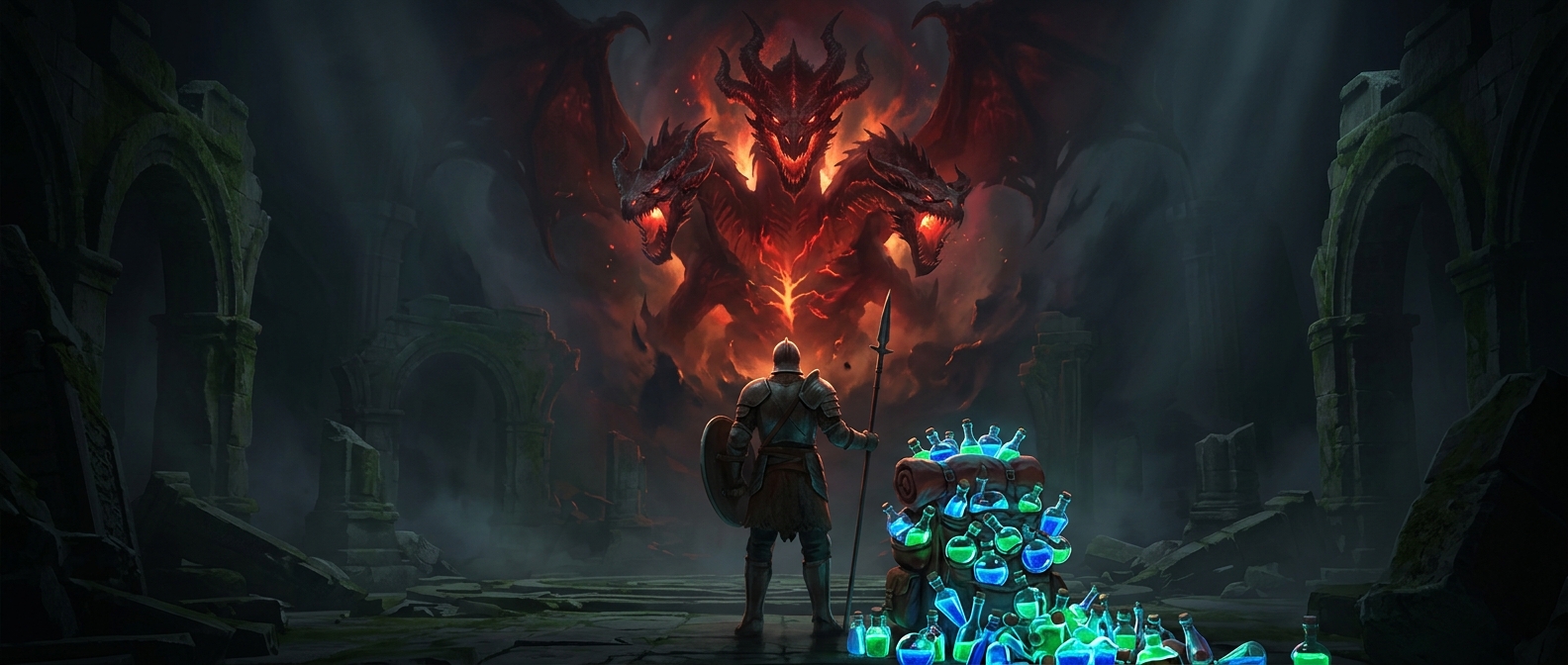
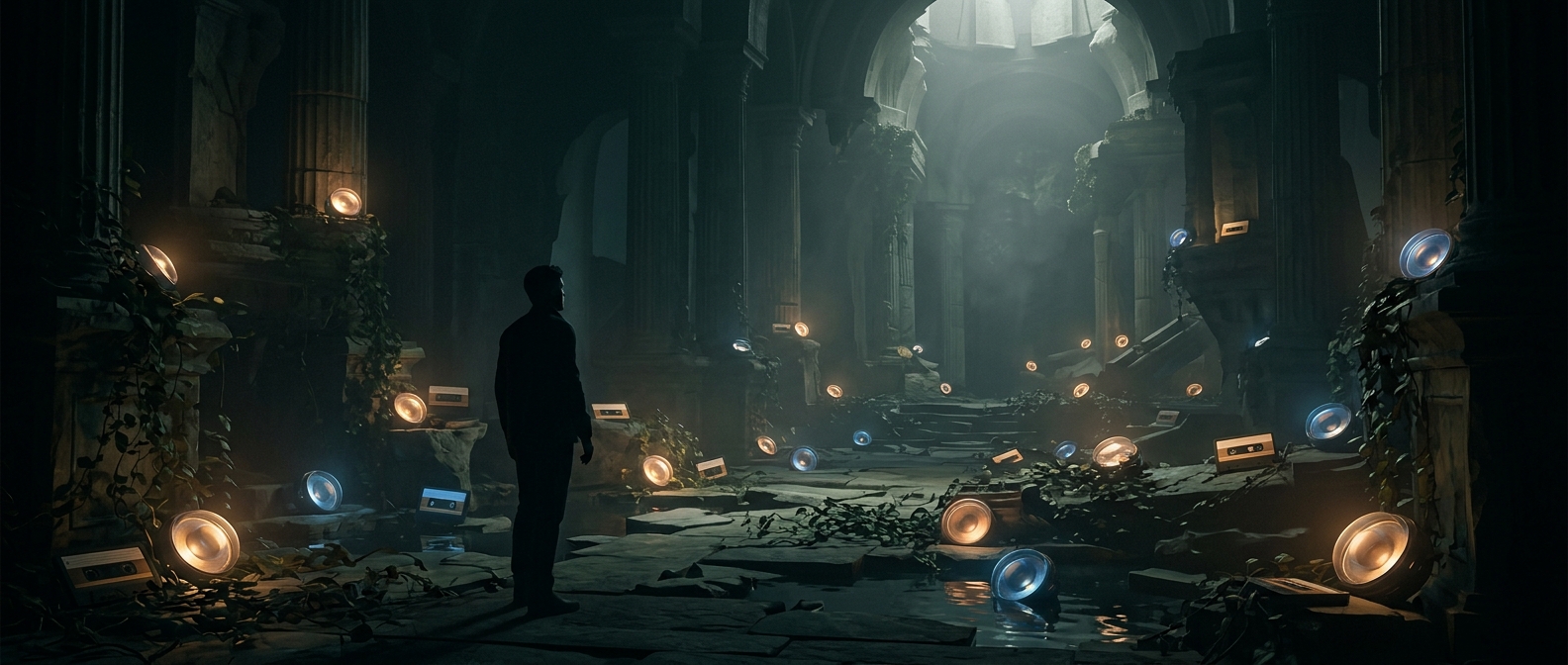
Designers have to reserve strong effects for things that truly matter. If every object glows, the halo stops distinguishing the important one; it becomes visual noise. A glow can also be hard to read against a similarly bright background, so its shape, color, and contrast need to work with the scene rather than simply add more light.
Used selectively, the effect helps guide a player without interrupting play for an explanation or marker. It is a small design decision with a practical consequence: the player is more likely to notice the item before the game has to tell them what they missed.