A Free Album That Arrived Without Being Asked For
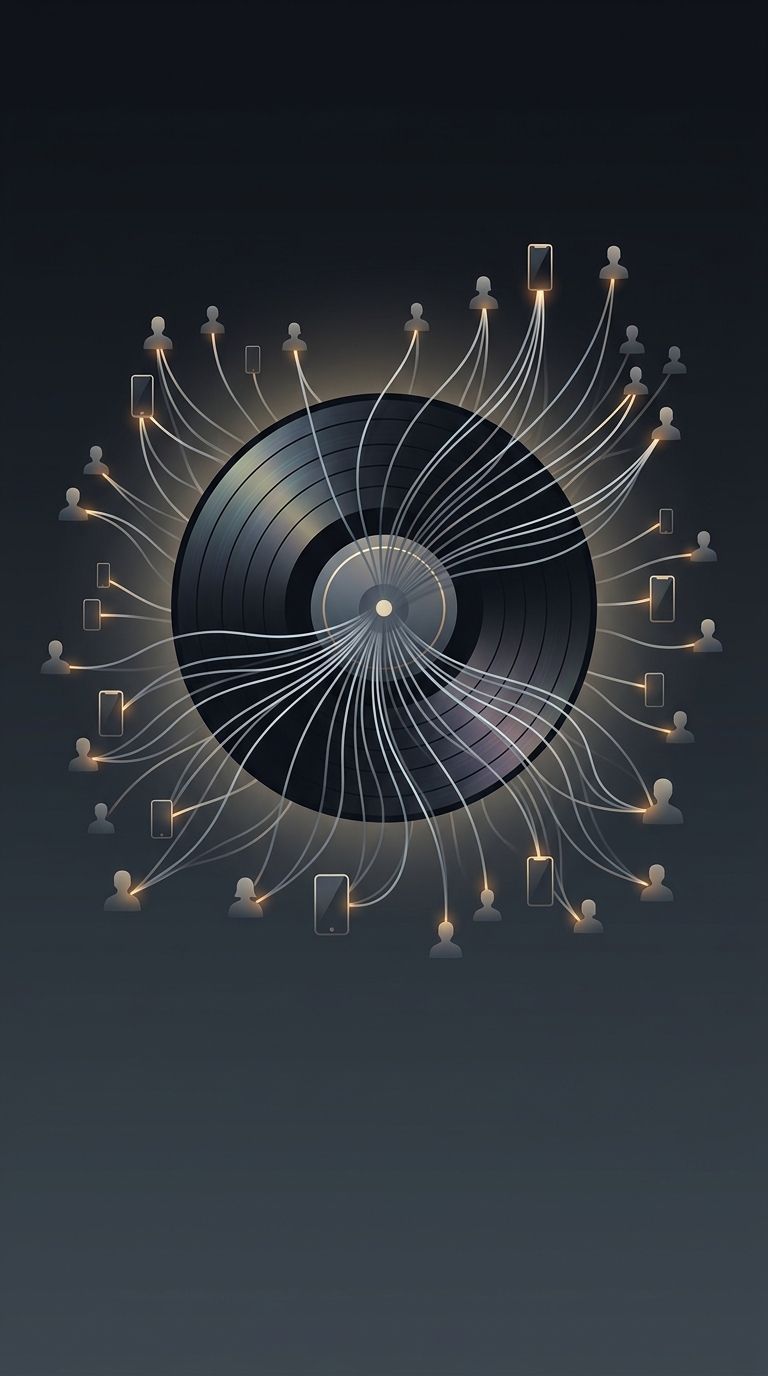
In 2014, Apple and U2 made Songs of Innocence available at no charge to hundreds of millions of iTunes users. The crucial design choice was that it was placed directly in users’ music libraries—not simply offered as a download they could choose to accept. Apple said the release reached 500 million users, though that meant access through their accounts, not necessarily that every person listened to or even noticed it.
That difference turned a giveaway into an intrusion for some listeners. A free album still takes up space in a music library, and on devices set to download purchased music automatically, it could also appear on the device itself. Users who wanted an empty library or control over what appeared in it had to deal with an addition they had never requested.
The Cost Of Removing A “Gift”
The stunt depended on a familiar marketing idea: make a major release instantly available and its scale will feel exciting. But digital libraries are personal spaces. By skipping the step where listeners actively opted in, Apple made the album’s arrival feel less like a gift and more like a change imposed on their accounts.
The backlash exposed a mismatch between reach and consent. A platform can deliver something to an enormous audience with a few technical choices, but that does not mean the audience welcomes it. Apple later released a tool for removing the album from users’ libraries, an unusual reversal that addressed the very problem the rollout had created: people needed a way to undo a gift they had not chosen.