The Engine Noise Coming From the Speakers
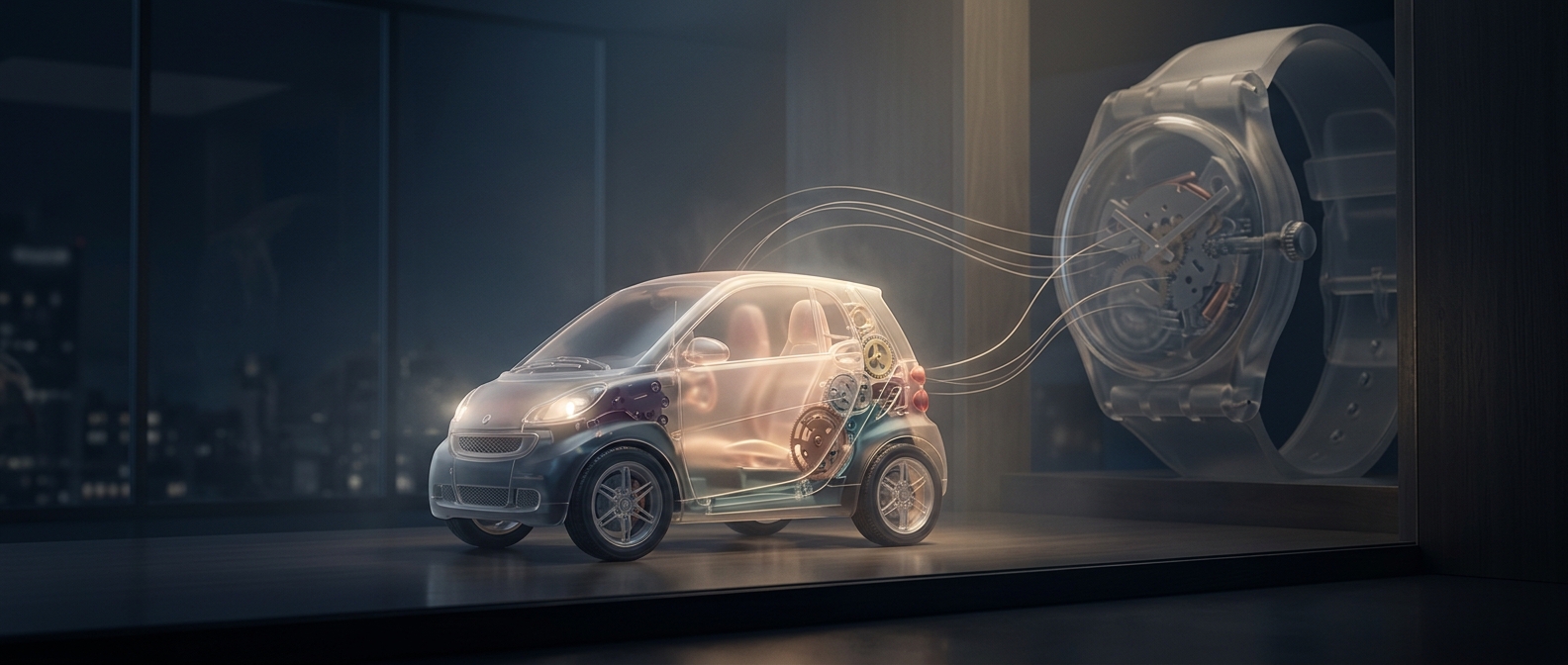
A high-performance car may make its engine sound louder inside the cabin by playing a digitally created or altered version through the audio system. The feature is often called active sound enhancement. Sensors report what the engine is doing—such as its speed and load—and the car’s software uses that information to produce sound that rises and falls with acceleration.
The engine itself is real; the cabin soundtrack may not be. In some cars, the system starts with genuine engine noise and boosts or reshapes it. In others, speakers play a more extensively synthesized sound. So the “fake” feature is not necessarily a recording that plays unchanged: it can be a responsive soundtrack tied to the car’s behavior.
Why Add Sound to a Fast Car?
Modern cabins are designed to keep out road and mechanical noise, while turbocharging and other engineering choices can make an engine less audible than drivers expect. That quiet can make it harder to hear changes in revs—the engine’s rotational speed—which are useful cues when accelerating or changing gears. Sound enhancement restores some of those cues and gives the driver a stronger sense of what the car is doing.
It also reflects a design tradeoff. Engineers can make a car quieter outside and more comfortable inside, while software supplies the dramatic engine note that enthusiasts may associate with performance. The result is a cabin sound that can feel visceral even when much of its character comes from electronics.
That means the roar you hear from the driver’s seat is not always a direct measure of what the engine sounds like outside. In some cars, part of the performance experience is being composed in real time by the car’s speakers.