A castle built inside the soul
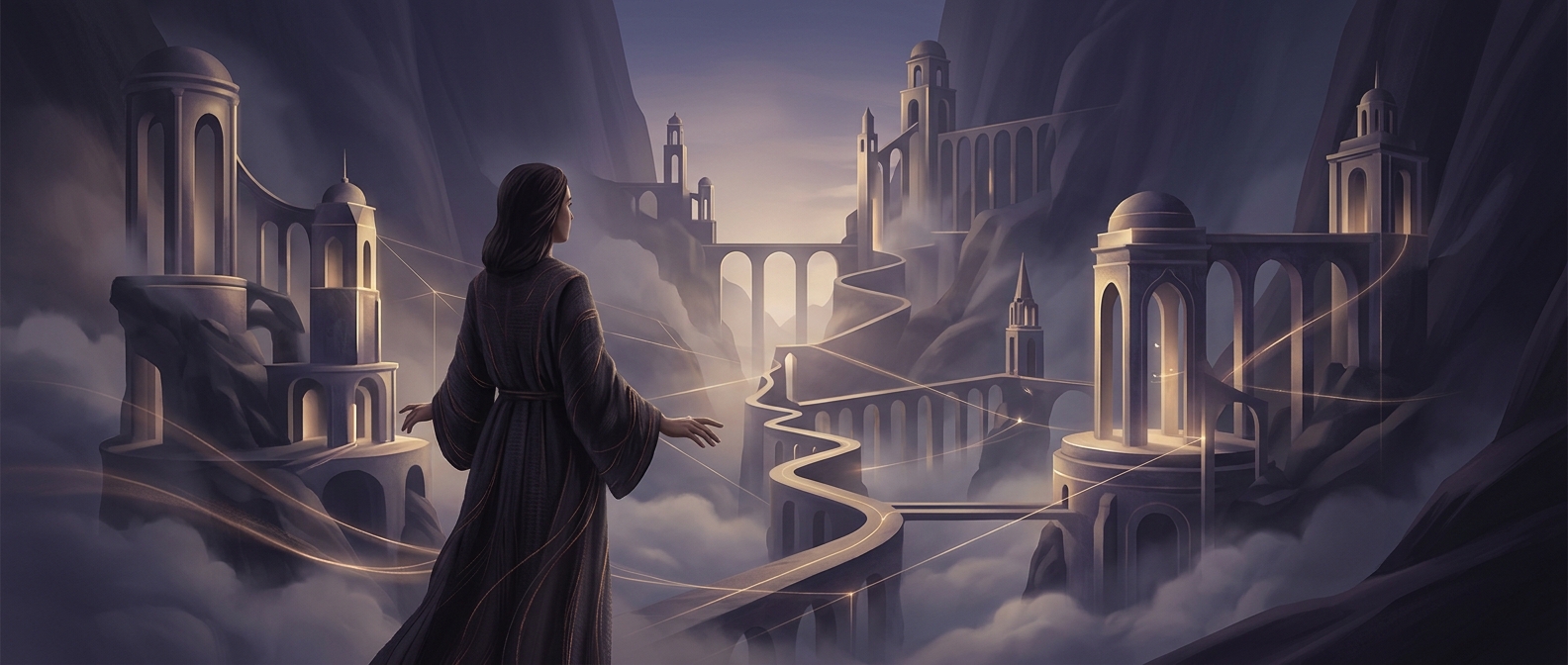
In The Interior Castle, Teresa of Ávila asks readers to picture the soul as a crystal castle with many rooms. The image gives shape to something difficult to describe: a person’s changing relationship with God through prayer and spiritual life. The castle is not a place Teresa claims to have physically entered. It is a way to make an inward process imaginable.
Teresa divides the journey into seven “mansions,” or groups of rooms, moving toward the castle’s center. There, she says, the soul encounters God. The layout matters: spiritual growth is not merely a climb away from ordinary life, but a movement inward, toward a deeper relationship with the divine.
A map, not a staircase
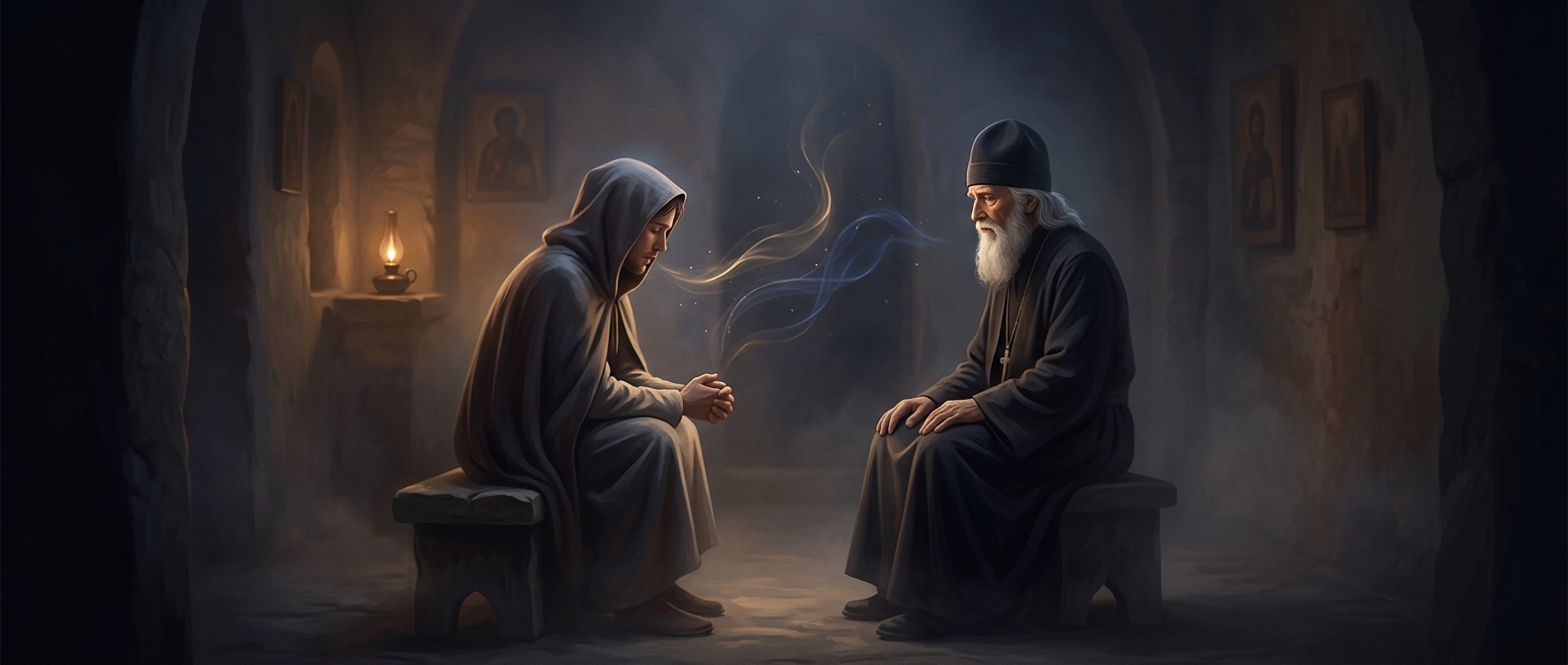
The mansions describe broad stages, not a checklist that every person completes in the same order. Early rooms represent a beginning in prayer, where distractions and habits can pull attention outward. Farther in, Teresa describes a stronger capacity for prayer and a more profound sense of union with God. The path also includes struggle; progress does not mean a person is free of difficulty or suddenly perfect.
That flexibility makes the castle more than a diagram of ranks. Readers can use its rooms to consider where attention is directed, what makes prayer difficult, and how a spiritual life might deepen. Teresa’s metaphor turns an abstract claim about inner change into a navigable space: a person can imagine being near the entrance, traveling inward, or losing the way.
Teresa wrote the work in 1577, drawing on her own religious experience to explain a journey she considered hard to put into ordinary language. The castle’s memorable consequence is that spiritual development becomes something readers can picture as movement through a place—one room at a time, toward a center they cannot reach by outward travel.