Give an inner image room to develop
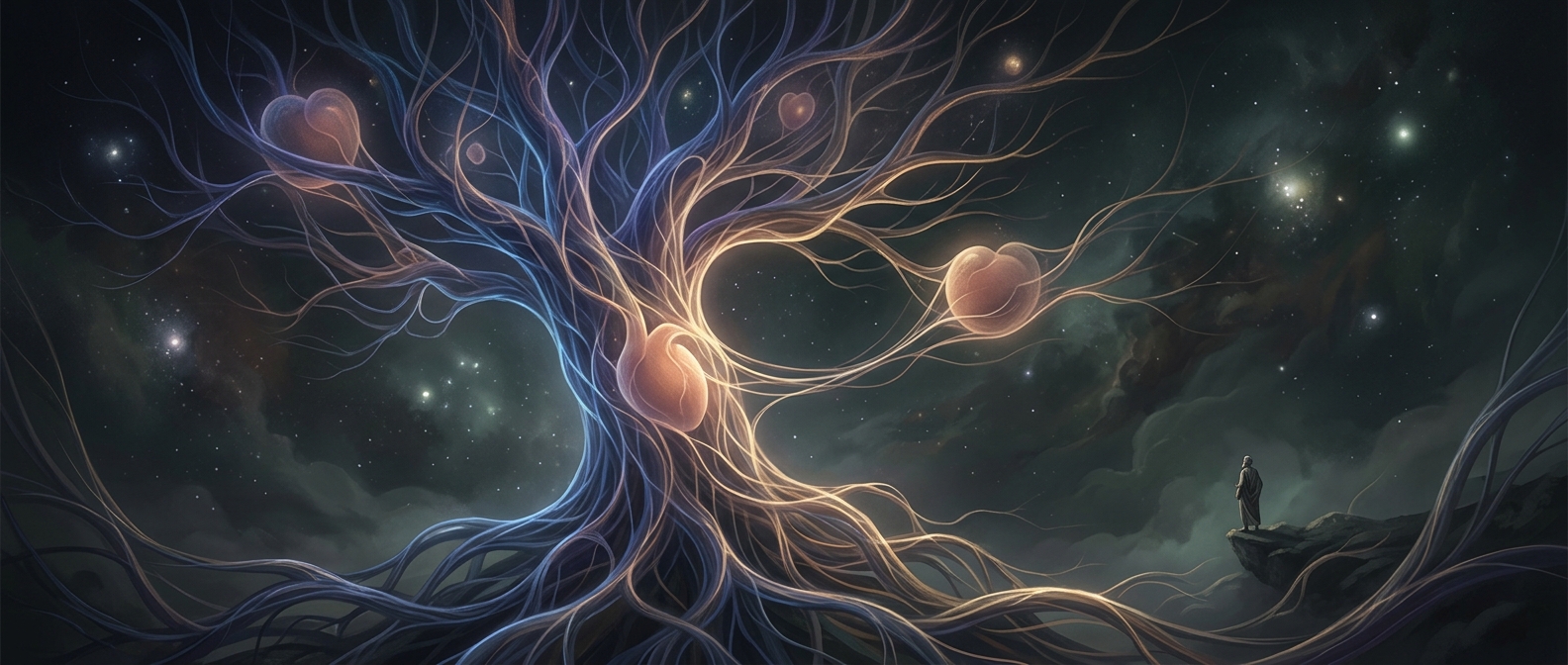
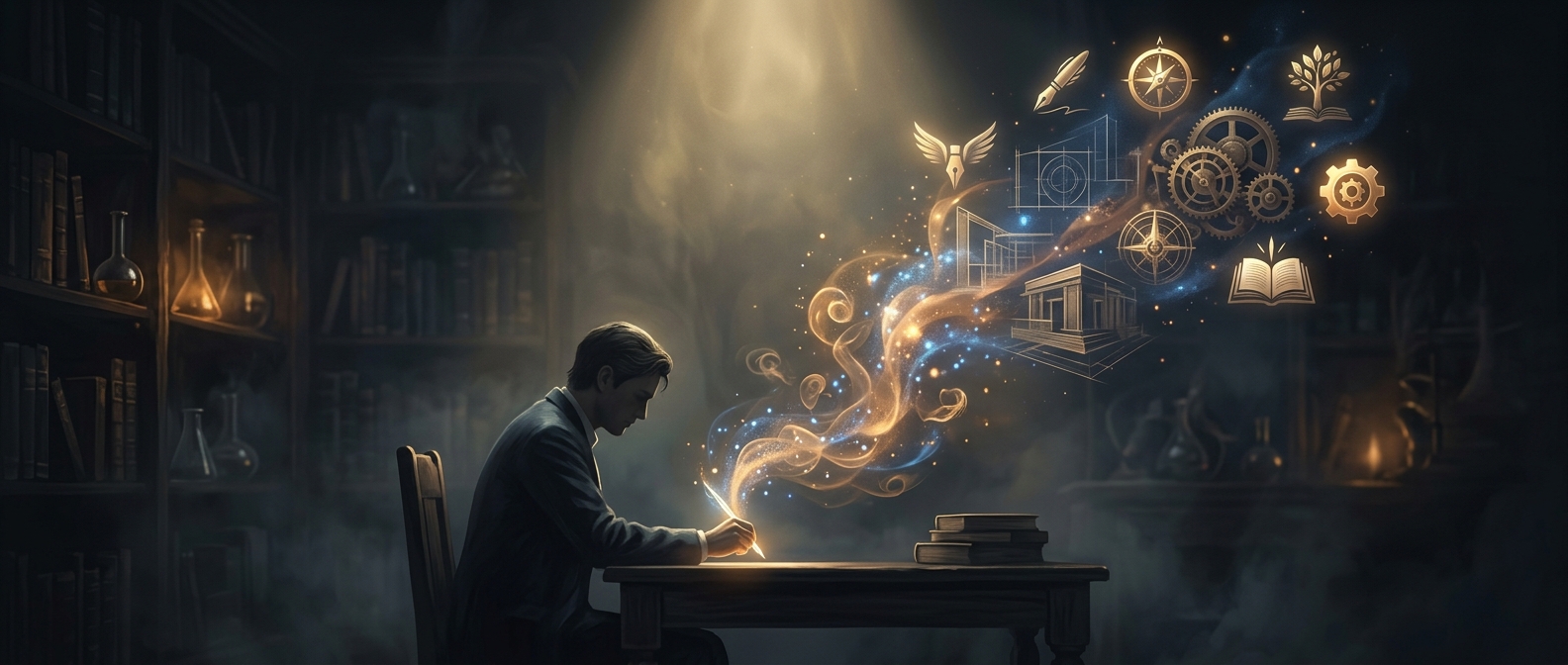
In active imagination, a person begins with an image, feeling, or fragment of a dream and deliberately stays with it instead of quickly explaining it away. The image might be a place, a figure, or even a vague sense of unease. The person then lets it change and responds—by writing, drawing, or imagining a conversation—while paying attention to what arises.
The “active” part is the effort to take part. A person is not merely watching a daydream unfold, but neither are they supposed to script every detail. They make choices and answer what appears, leaving room for unexpected turns. In the Jungian tradition, this practice was meant to bring unconscious material—thoughts and feelings outside immediate awareness—into a form the person could examine.
Meaning comes from the person, not a symbol dictionary
A striking image does not carry one universal translation. A locked door, for example, might suggest a barrier to one person and safety to another. Its significance depends on the person’s associations, feelings, and circumstances. The point is to notice those connections, not to treat an image as a prediction or a message with a guaranteed meaning.
That makes the practice different from ordinary drifting daydreams: attention and reflection turn the imagined scene into something to work with. A person might discover that the emotion in a scene matters more than its plot, or that their response to an imagined figure reveals a conflict they had not put into words. The useful result is not proof that every image comes from a hidden source, but a more concrete way to explore what an image brings to mind.