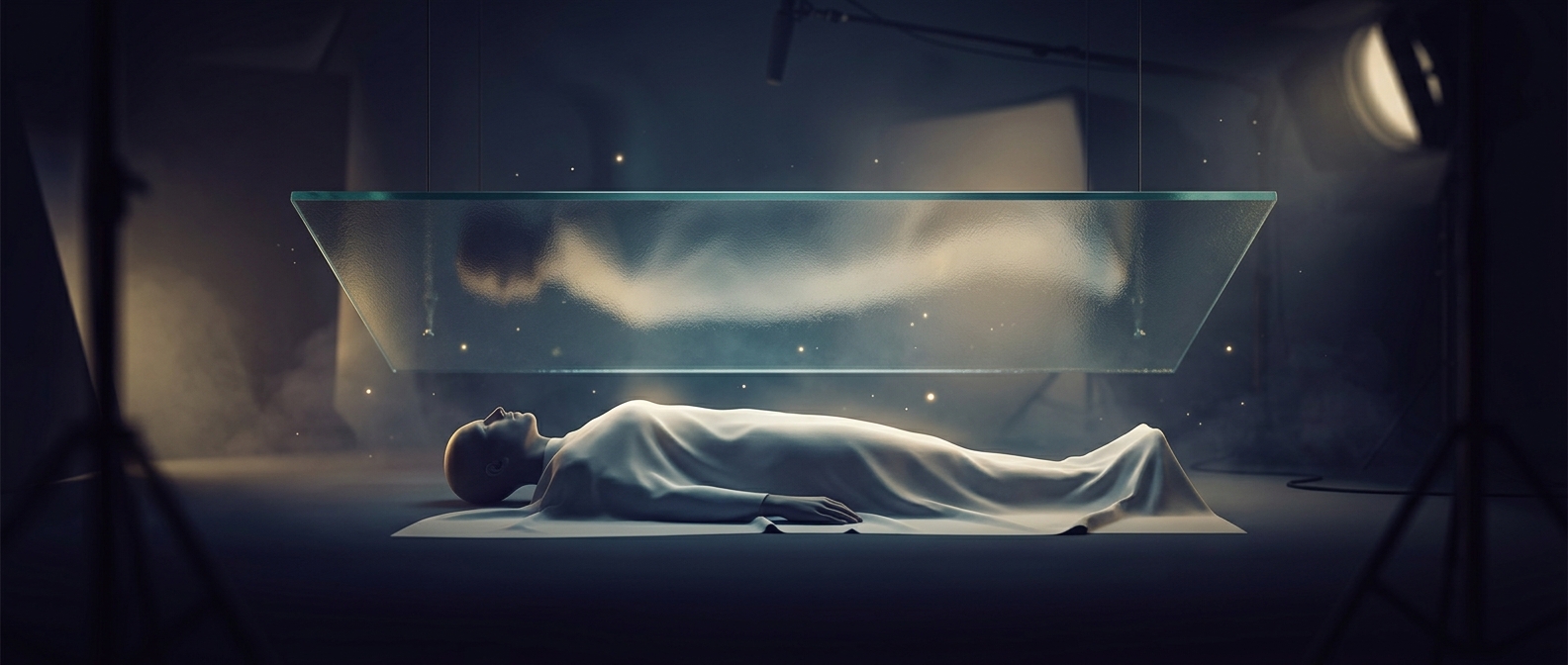
How a Fossil Becomes a Museum Skeleton
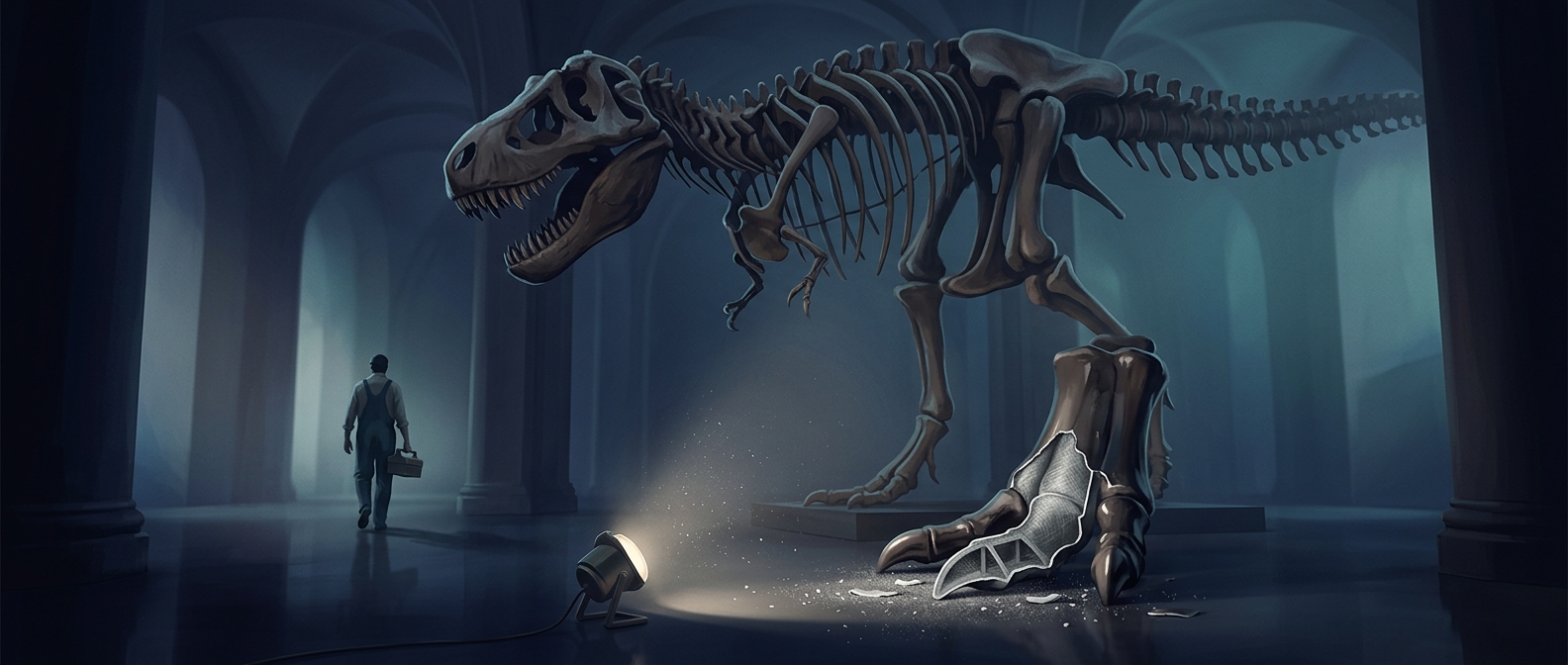
A fossil is often too heavy, brittle, or incomplete to serve safely as the centerpiece of a large exhibit. To make a cast, specialists take a mold of an original bone and use it to produce a lightweight copy, commonly from materials such as resin or plaster. The cast preserves the bone’s shape without requiring the original to bear the strain of hanging high above visitors or being assembled into a full skeleton.
That distinction matters because fossils are not ordinary building materials. They can crack under pressure, and some are scientifically valuable precisely because researchers can inspect their surfaces, repairs, and other details up close. Keeping delicate pieces in controlled storage can make them easier to protect and study, while a cast can remain on display.
The Display Is an Interpretation, Too
A complete-looking skeleton may be built from casts of several bones, with missing sections supplied by replicas or supports. Fossils from different individuals can also be used together, depending on the exhibit. The result is a reconstruction: a readable three-dimensional arrangement, not necessarily one animal’s untouched bones assembled exactly as they were found.
That does not make the display meaningless. A cast can show the scale and shape of a dinosaur while letting the original fossil remain accessible for research. Look for exhibit labels to learn whether a mounted bone is original, cast, or reconstructed—the answer can vary from one part of the skeleton to another.