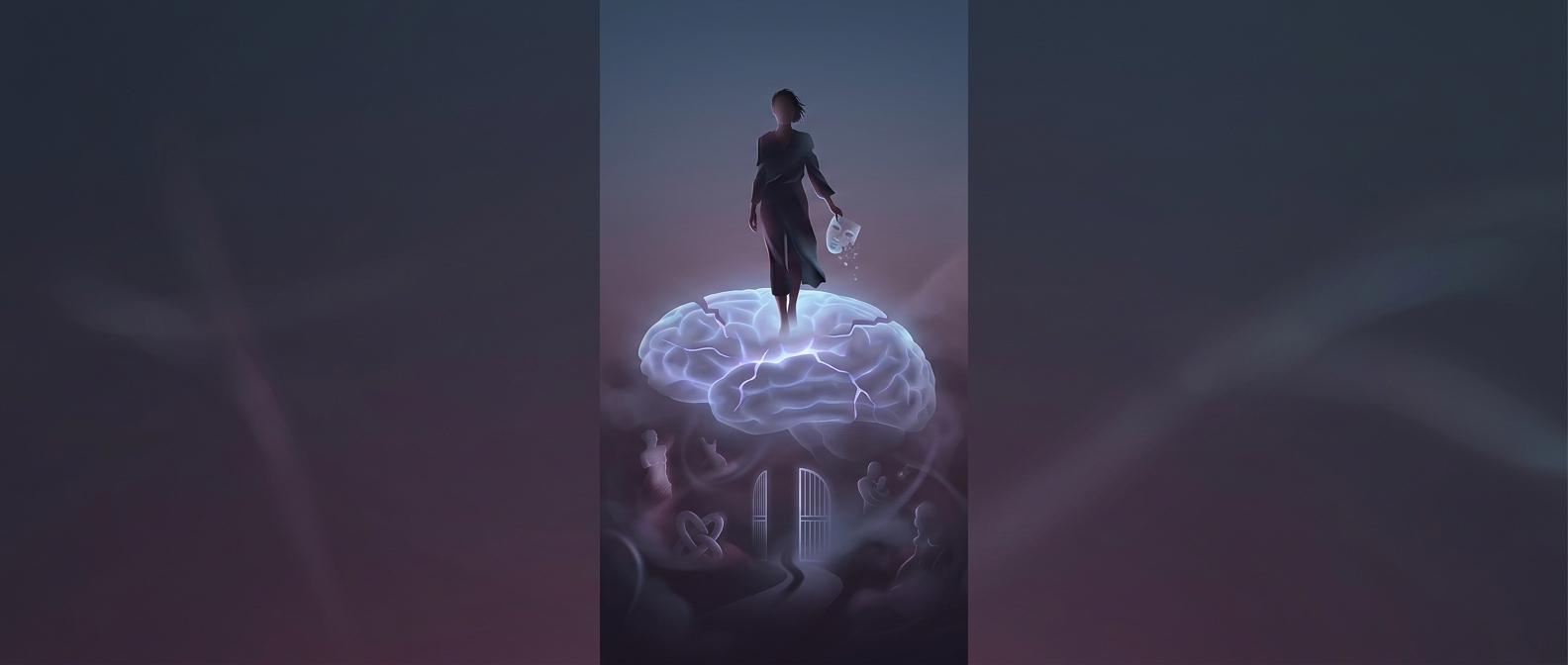
When the Brain’s Alarm and Social Signals Change
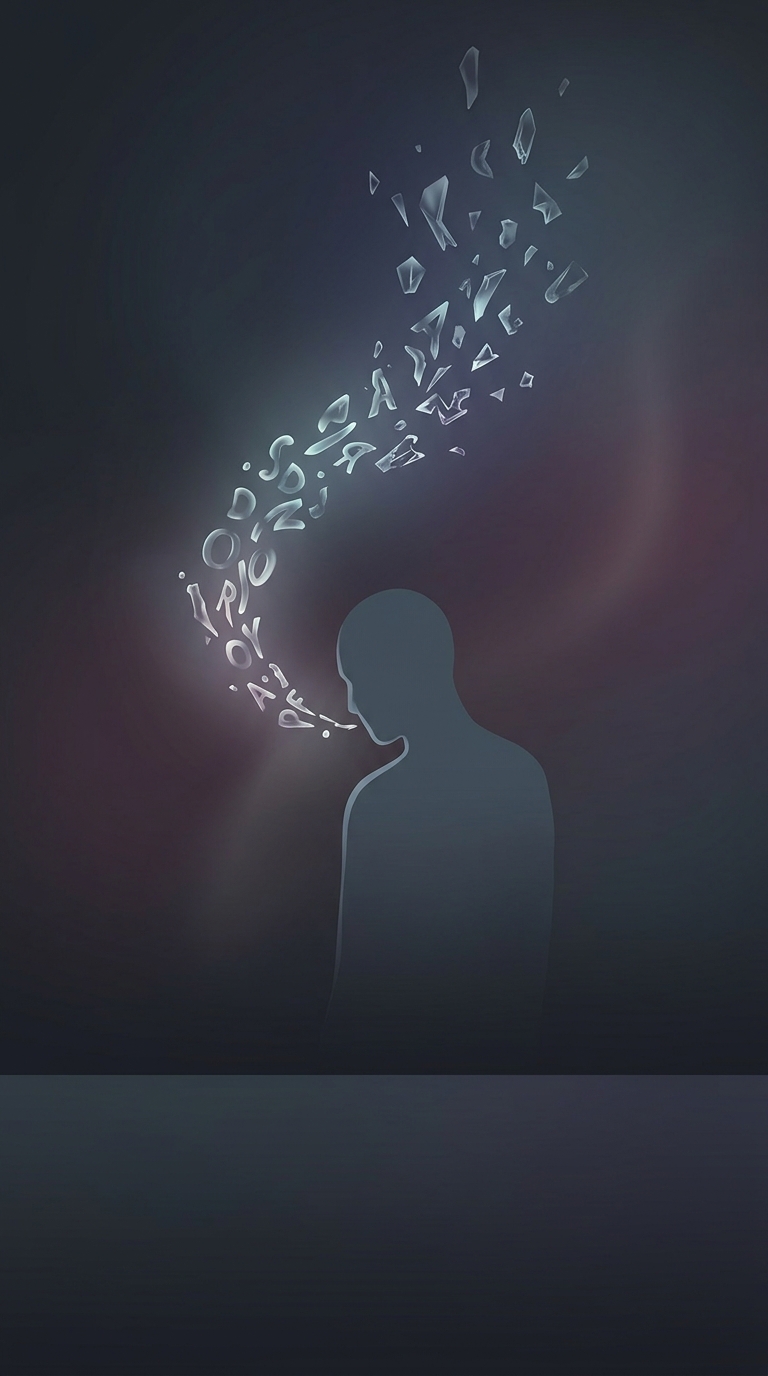
Klüver-Bucy syndrome is a rare pattern of behavioral changes linked to damage in parts of the temporal lobes, the brain regions along the sides of the head. These regions help interpret emotionally important information: whether a situation seems threatening, what another person’s expression may mean, and how strongly to respond.
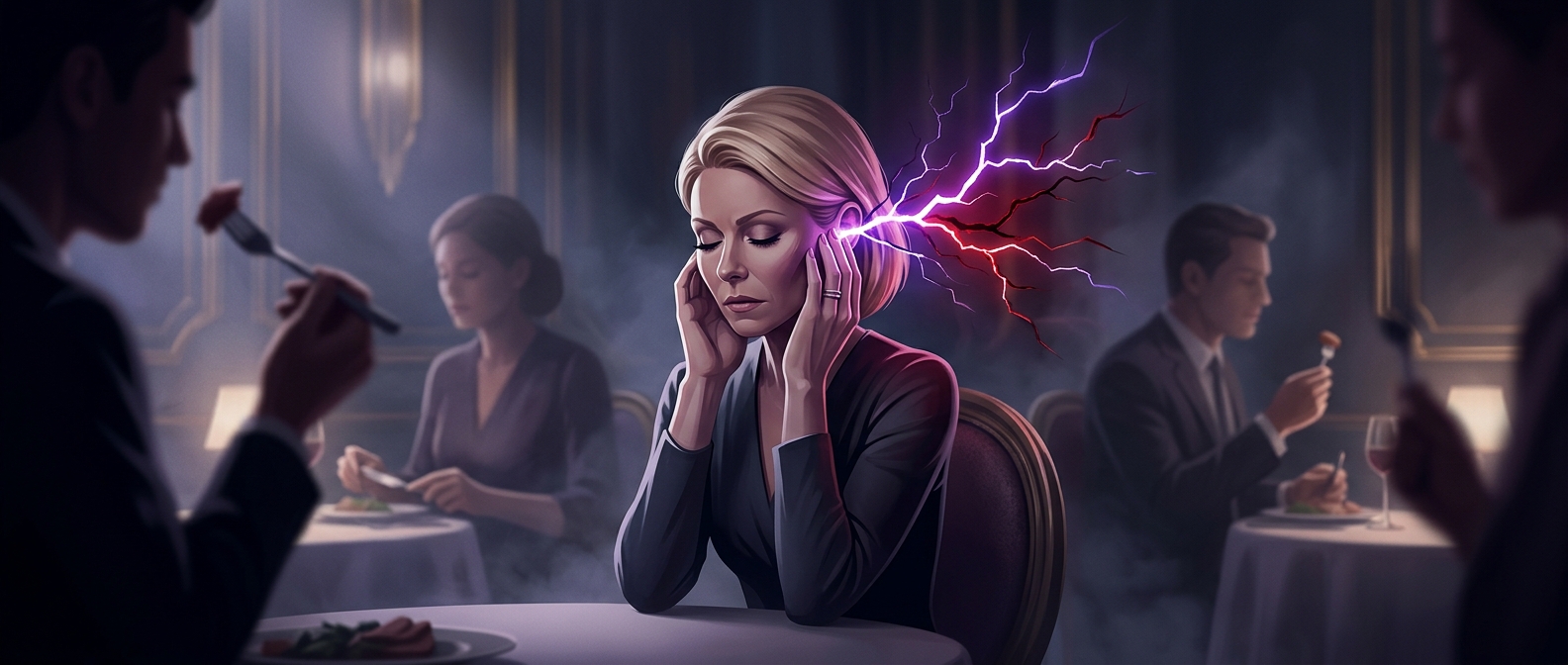
The amygdala, a structure deep within the temporal lobe, contributes to recognizing danger and generating fear. But fear is not controlled by a single switch. It emerges from several brain systems working together, and temporal-lobe damage can disrupt that broader network. A person may therefore respond weakly to situations that would ordinarily feel frightening.
Why Inhibition Can Change, Too
The same injury can affect how the brain uses social and emotional cues to guide behavior. Those cues help people pause, judge what is appropriate, and adjust impulses to the setting. When that guidance is disrupted, behavior may become disinhibited—less restrained by the usual sense of what is socially appropriate. In some people, this includes increased sexual behavior, or hypersexuality.
This is not simply a matter of someone choosing to ignore rules or no longer caring about others. Brain damage can change the signals that make a risk feel urgent or an impulse feel worth holding back. Reduced fear and weakened behavioral restraint can appear together because the affected brain regions contribute to both emotional evaluation and behavior. The changes are part of an uncommon syndrome, not an inevitable result of every temporal-lobe injury.### A Change in What Gets Through
The consequence can be striking: a person may encounter a warning sign without feeling the expected alarm, while also acting on impulses that social cues once helped regulate. The behavior reflects a changed brain response—not merely a changed attitude.