The shell stays; the load paths change
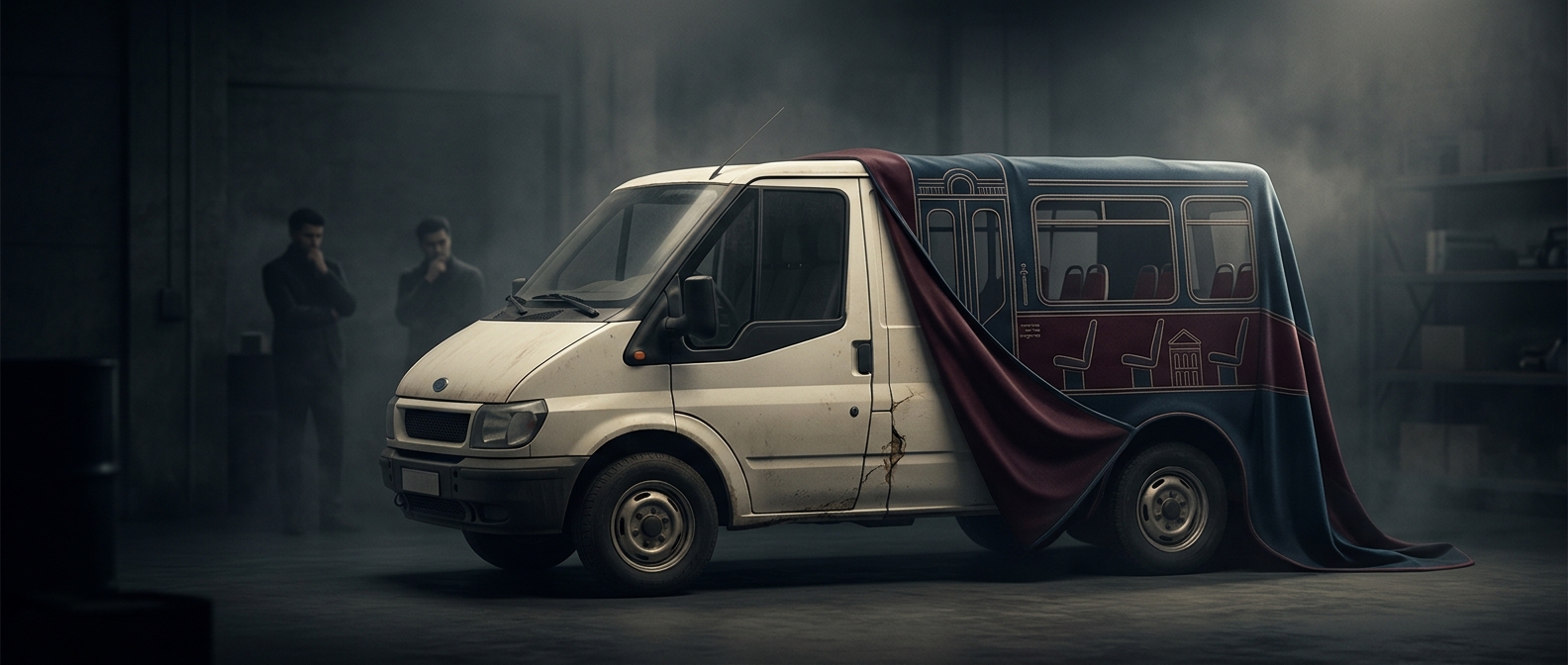
A cargo van is built to carry weight on its floor and keep it from shifting. A minibus conversion has a different job: it must hold passengers in place when the vehicle brakes hard or is struck. That makes the seats more than furniture. Their mounts have to transfer crash forces into strong parts of the body, rather than simply being fastened to thin floor panels.
The conversion therefore starts with the van’s structure and intended passenger layout. Installers need to account for where seats can be anchored, how occupants will reach them, and whether added weight affects the vehicle’s capacity. Windows bring light and visibility, but cutting openings also changes the body panels, so their placement and installation matter.
Every new seat changes the safety equation
Passenger restraints must work with the seats and their mountings. A belt attached to a seat, for example, puts force through that seat’s structure; a belt anchored elsewhere puts it through the vehicle body. The design has to keep the belt, seat, and anchor points working together rather than treating them as separate additions.
The finished vehicle also needs to match the requirements that apply where it will be registered and used. Those can depend on the vehicle, the conversion, and local rules, so a cargo van with seats added is not automatically equivalent to a purpose-built passenger vehicle.
That distinction is the real transformation: the van still looks like a van, but its interior has become part of a system designed to protect people—not just carry cargo.