A competitor became a launchpad
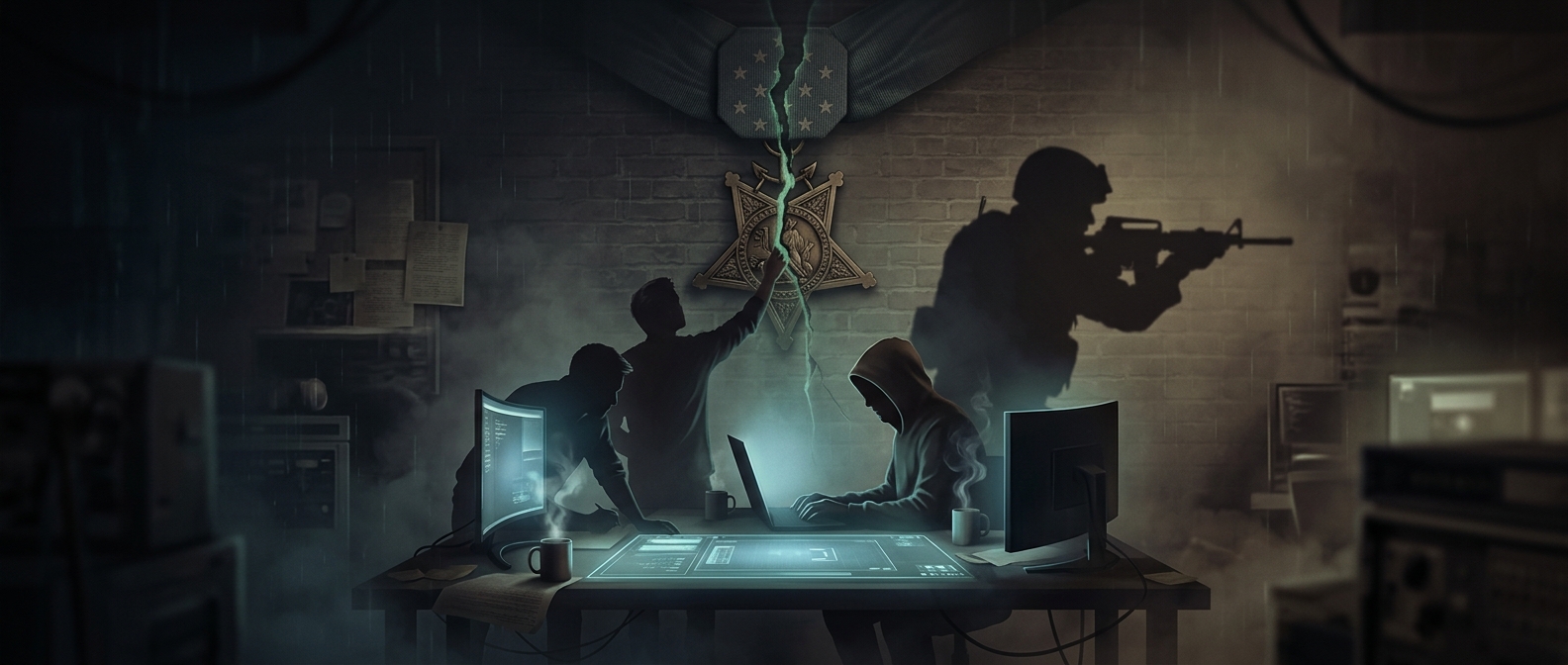
The early Call of Duty team did not enter World War II games as outsiders. Developers who had worked on Medal of Honor: Allied Assault left to form Infinity Ward, bringing experience from a major game already operating in the same crowded historical setting. Their new series was built by people who knew the genre’s tools, production demands, and audience expectations from the inside.
That background mattered because a war game is more than a collection of battles. Developers have to turn familiar history into playable missions, coordinate weapons, environments, sound, and pacing, and make the experience feel coherent across a full campaign. Experience on a prominent competitor gave the new studio a practical starting point rather than requiring it to learn every production lesson from scratch.
Familiar ground, a new challenge
The shared setting also created a clear competitive test. Players could compare the new game with a recent, recognizable alternative: both drew on World War II, so Call of Duty had to make its own missions and moment-to-moment play compelling rather than relying on the era alone to stand out.
That is the interesting turn in the story: a rival franchise helped supply the people who would build another. The competition was not just between two titles; it grew out of talent moving from one production to another. In a crowded genre, know-how could travel with the developers—and help a new series arrive ready to challenge the game it followed.