The rights Lucas kept when he took less cash
When George Lucas negotiated Star Wars with 20th Century Fox, he accepted a comparatively modest directing fee while retaining rights to merchandise and future films. In the 1970s, movie merchandise was often treated as a small promotional sideline, not a business likely to rival a film’s earnings. The arrangement gave Lucas a chance at a much larger payoff if audiences wanted more than tickets.
That was a risk, not a guaranteed windfall. A contract could preserve the right to sell products; it could not ensure that anyone would buy them. The first Star Wars film’s popularity changed the calculation by turning its characters, vehicles, and invented world into things fans could recognize and collect.
A toy business became a feedback loop
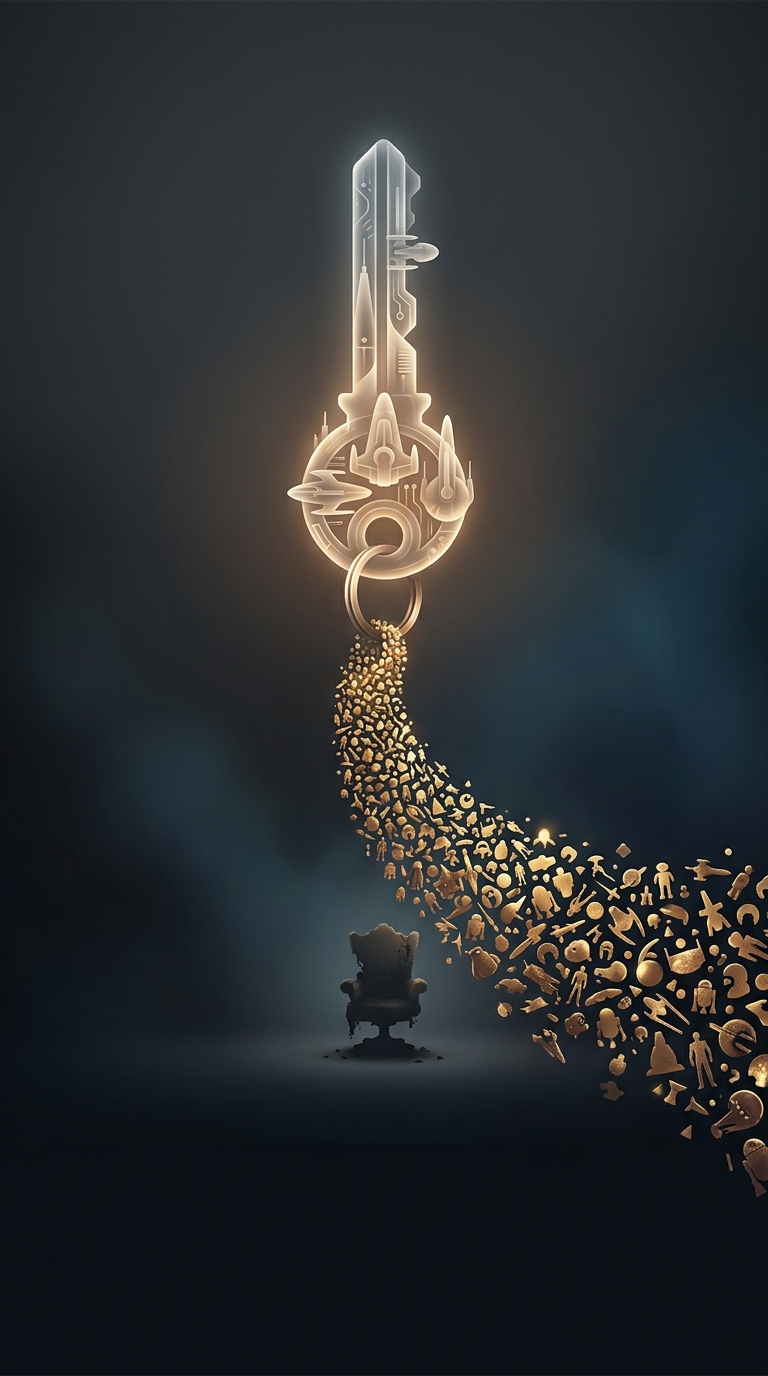
The toys did more than bring in licensing income. Figures and playsets let children act out scenes, invent new ones, and keep the story present between films. That created demand for more characters and products, while each new release gave the franchise another reason to stay visible. Retailers and manufacturers gained sales, but Lucas’s retained rights let him benefit from licensing deals rather than leaving that revenue entirely with the studio.
The appeal also extended beyond children. Collecting offered adults a way to revisit a favorite story, display its objects, and complete a set. A minor character who appeared briefly on screen could become a sought-after figure if fans cared about the world enough to want its details on a shelf.
The payoff was in ownership, not a single toy
The deal’s larger significance was that Lucas kept control over valuable parts of the franchise’s commercial future. Merchandise helped make Star Wars a continuing business, alongside later films and other ventures; it is too simple to say that selling toys alone made him a billionaire. But the contrast is striking: Fox saw a film project, while Lucas held onto rights that could keep generating value after the original movie left theaters.