A warehouse replaces a free input with electricity
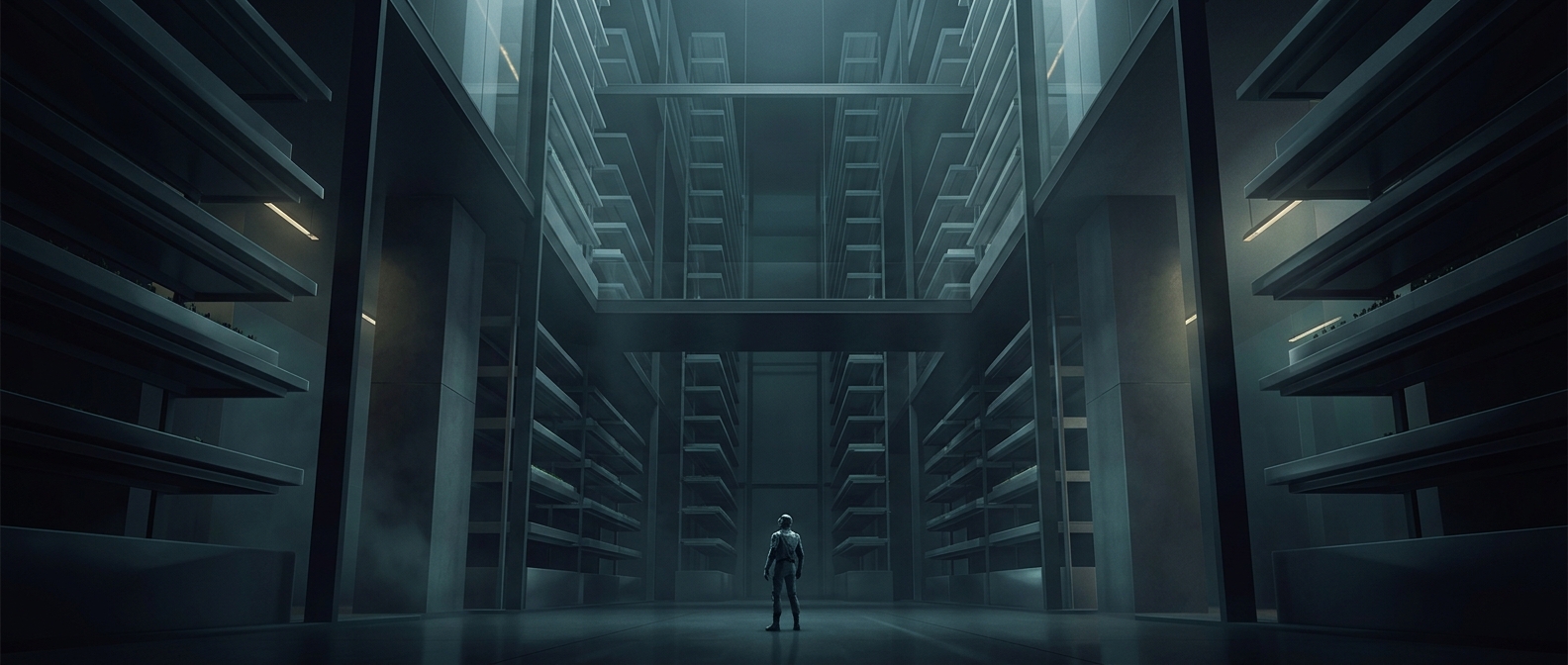
Outdoor crops receive light from the sun without a bill attached to each hour of sunshine. Inside a vertical farm, stacked trays sit beyond the reach of daylight, so LEDs must supply the light plants need to grow. Because plants need light for many hours, that power demand continues day after day—and every additional growing layer needs its own lighting.
The electricity does more than illuminate the crop. Lamps release heat, while growing plants release moisture into the air. Fans, cooling equipment, and dehumidifiers must keep temperature and humidity within a useful range. Those systems make production predictable, but they add another steady energy load.
The crop determines whether the math works
A farm pays for its building, equipment, and labor whether it grows a fast-harvest crop or a slow one. Costs are easier to spread across repeated harvests of compact crops such as leafy greens. A bulky crop that takes longer to mature uses space and lighting for more time, without necessarily earning enough extra revenue to cover them.
That is why a high price is not simply the cost of “growing indoors.” It reflects how much energy and facility time a particular crop needs, measured against what shoppers will pay for it. Vertical farms can offer steady production close to customers, but those advantages do not automatically offset the power bill.
The tradeoff shows up at checkout
For growers, cheap, reliable electricity and a crop that earns well per unit of growing space can make the business more viable. For shoppers, the same economics can leave indoor produce priced far above field-grown alternatives. The farm can control its growing conditions, but it cannot make artificial light as inexpensive as sunlight.