How a steel hull turns weight into buoyancy
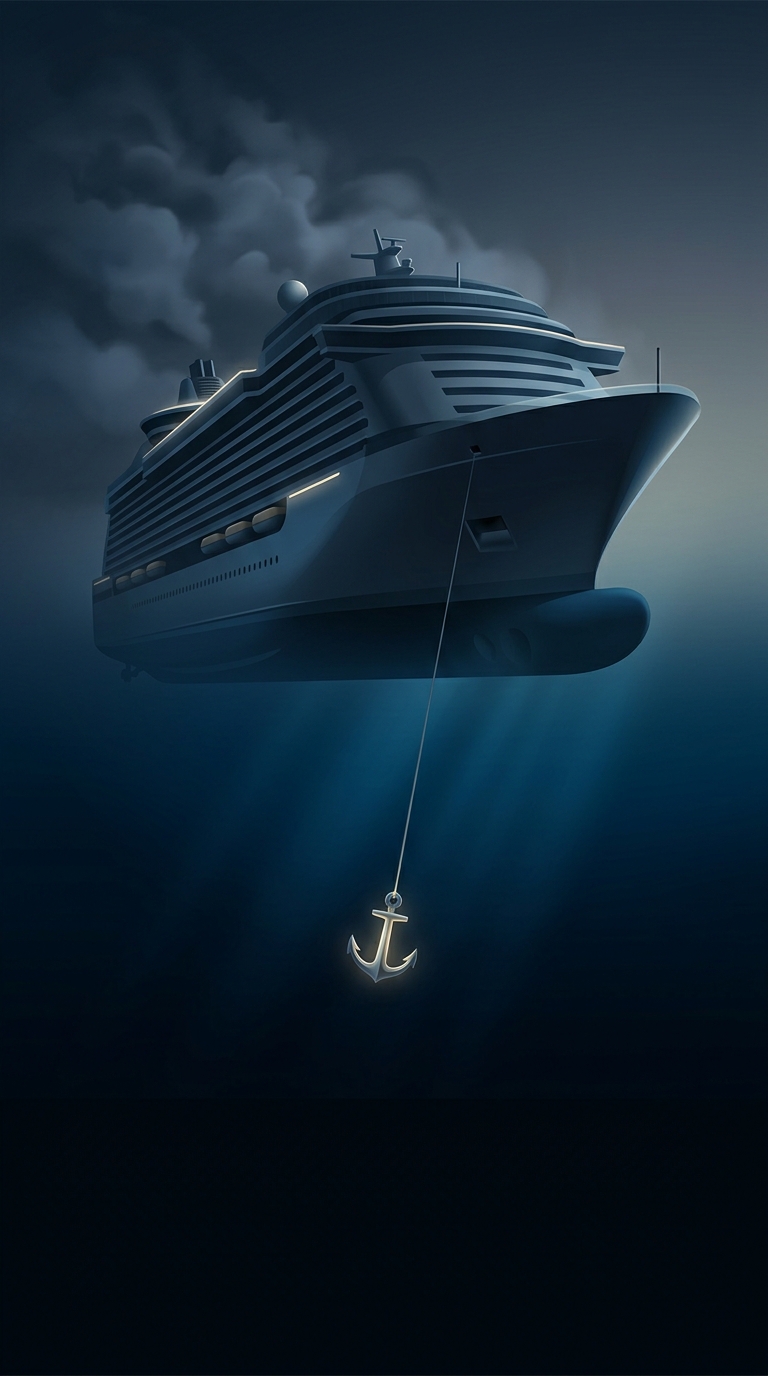
A ship does not need to be lighter than water in every part. What matters is the vessel as a whole: its steel, machinery, cargo, and the air-filled spaces inside the hull. Together, they displace water whose weight matches the ship’s. That upward push from the surrounding water is called buoyancy.
The shape of the hull makes this possible. As the ship settles into the water, its broad, hollow body pushes water outward and downward. The water pushes back upward. If the hull displaces enough water to balance the vessel’s weight, the ship stops sinking and floats at that depth.
Why adding cargo makes a ship sit lower
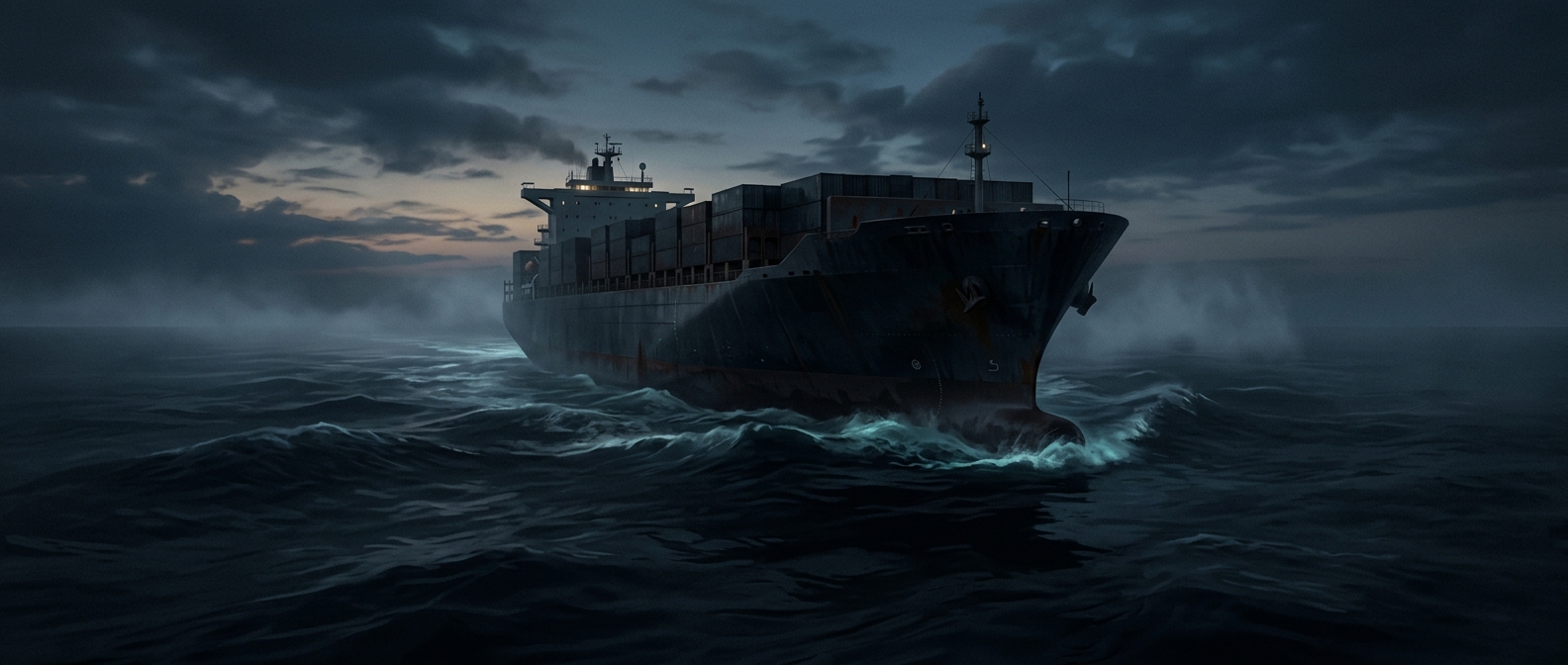
Load more cargo, and the ship’s total weight rises. To balance it, the hull must displace more water, so the vessel sinks a little deeper. Unloading has the opposite effect: with less weight to support, the ship needs to displace less water and rides higher.
There is a limit. A hull can only sink so far before water reaches openings that must stay above the surface, or the vessel becomes unsafe to operate. The visible waterline is therefore more than a mark on the side: it shows how much of the ship’s capacity is being used and whether the hull still has room to settle safely.
A solid block of steel has no vast air-filled interior to spread its weight across. A ship’s hull does—and that hollow space is what lets a structure made from dense steel displace enough water to carry itself and its load.