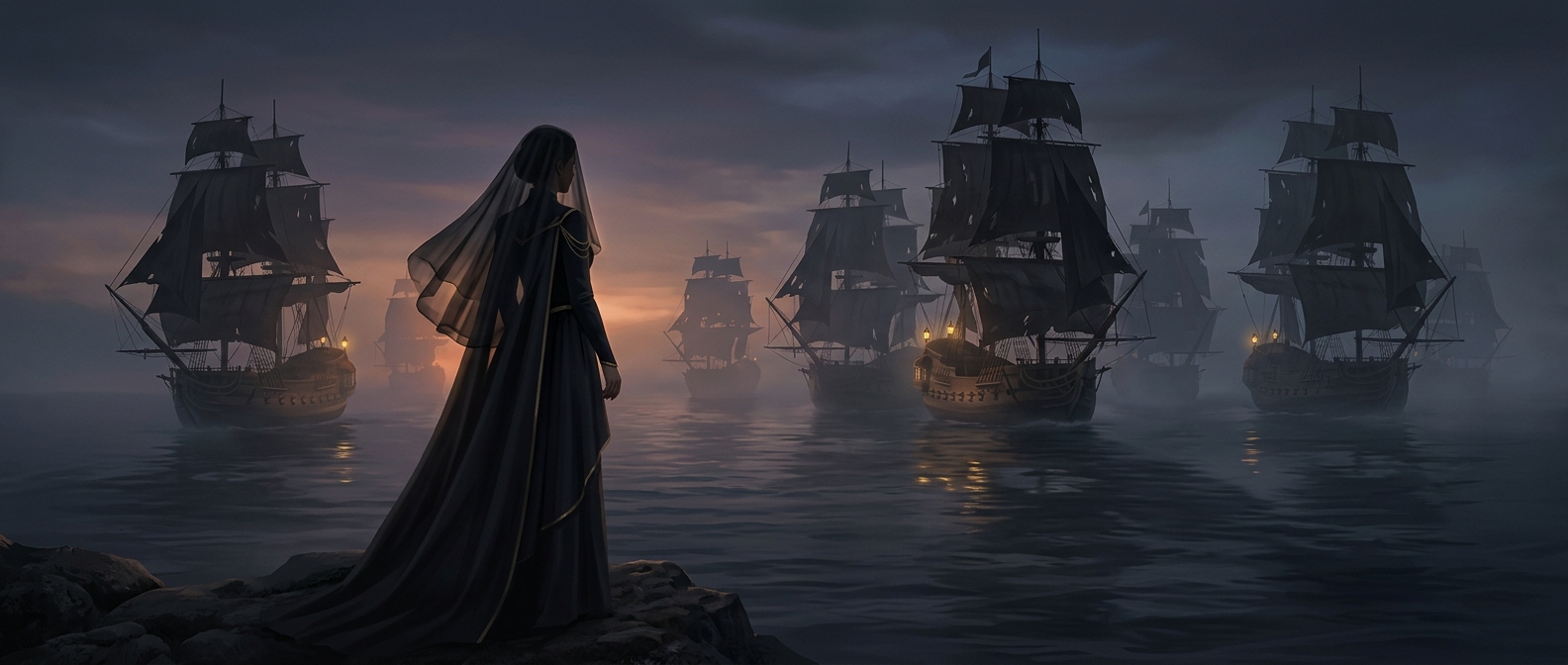
A family execution turned into a maritime campaign
In 1343, during the struggle over who would rule Brittany, French authorities executed Jeanne de Clisson’s husband, Olivier IV, for treason. Jeanne’s later attacks are often told as a story of personal revenge—but they unfolded amid a wider war between England and France, with Brittany caught in the contest. Her grievance gave that conflict a fiercely personal face.
Turning land into fighting ships
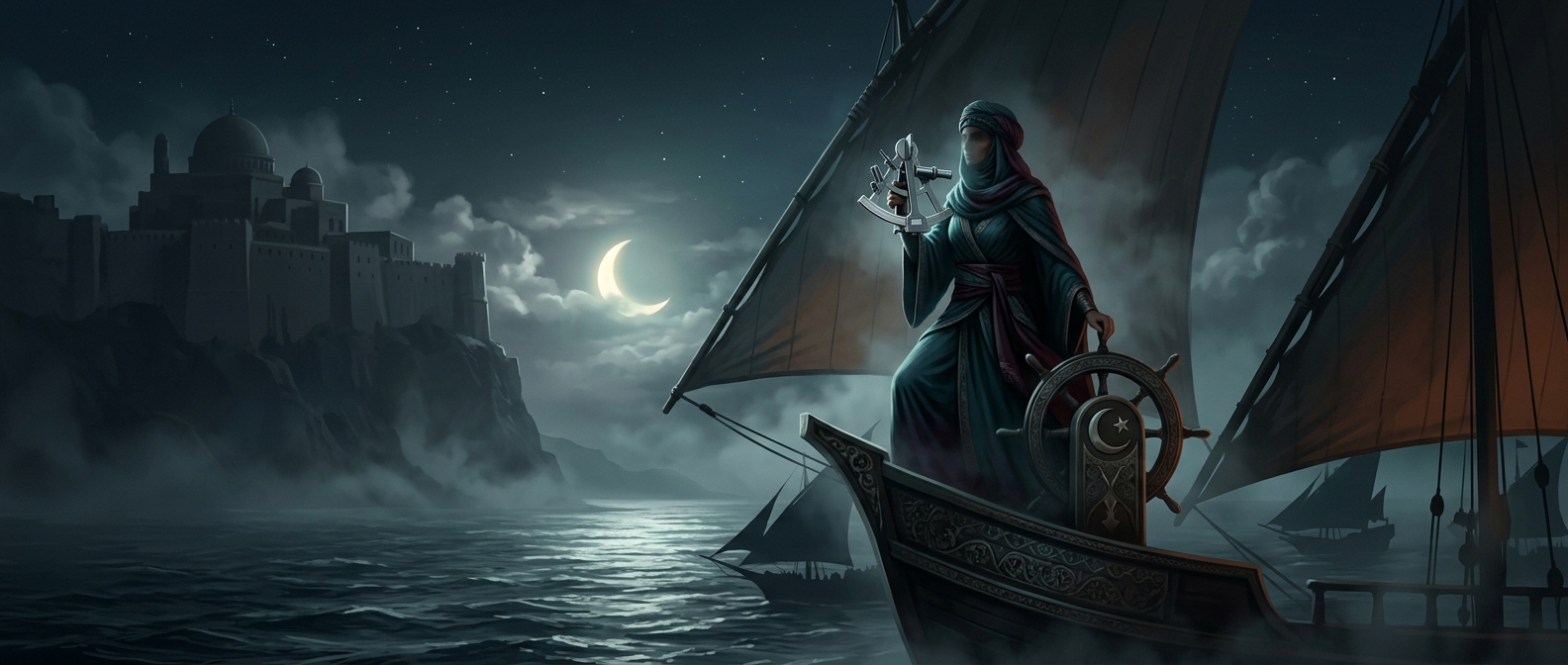
According to the traditional account, Jeanne sold her estates to raise money for warships and crews. Ships needed more than hulls: they required sailors, weapons, supplies, and somewhere to shelter and resupply. Her wealth let her turn a private cause into a force capable of striking at sea.
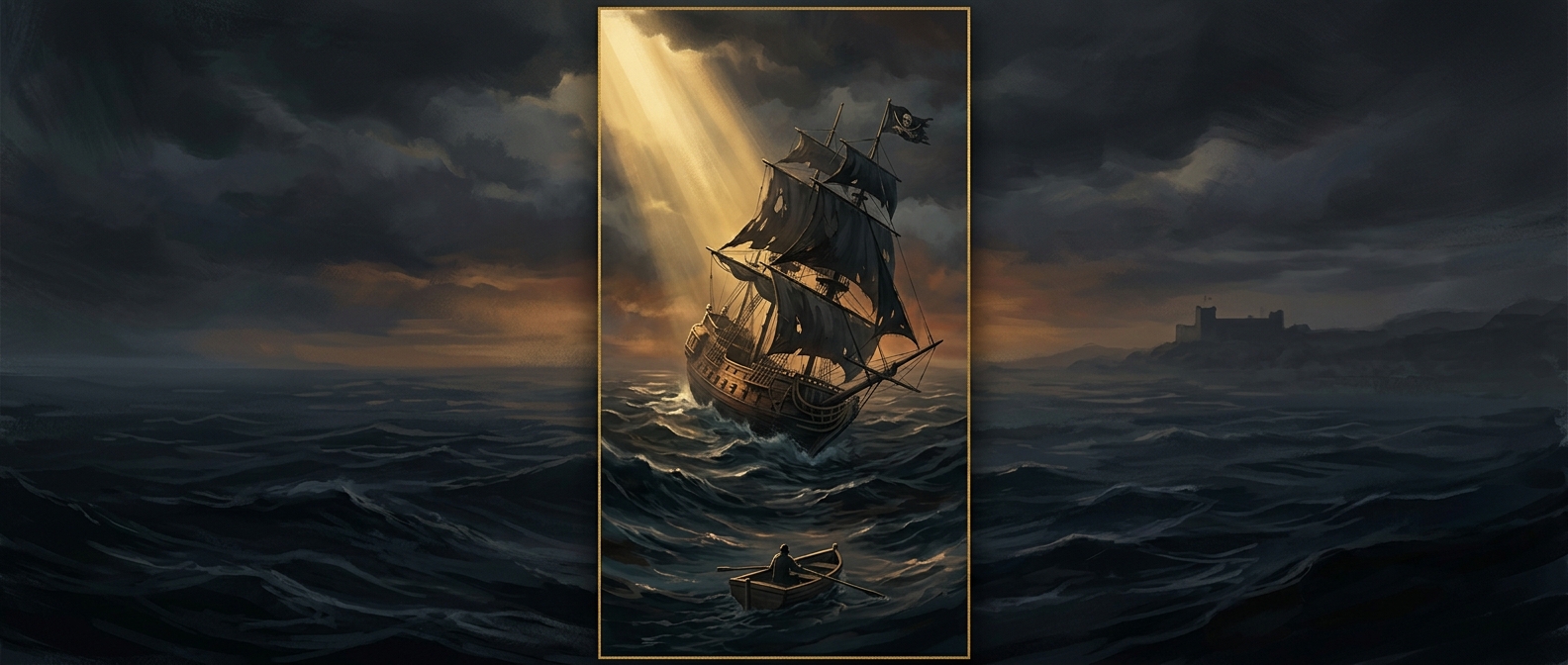
From the English Channel, her ships attacked French vessels. At the time, raiding merchant traffic could damage an enemy’s ability to move goods and supplies as well as enrich the raiders. A fleet could reach targets quickly, then withdraw before a land force could respond. Jeanne’s campaign is remembered as unusually personal, but its method belonged to the broader world of wartime maritime raiding.
Revenge with consequences beyond one family
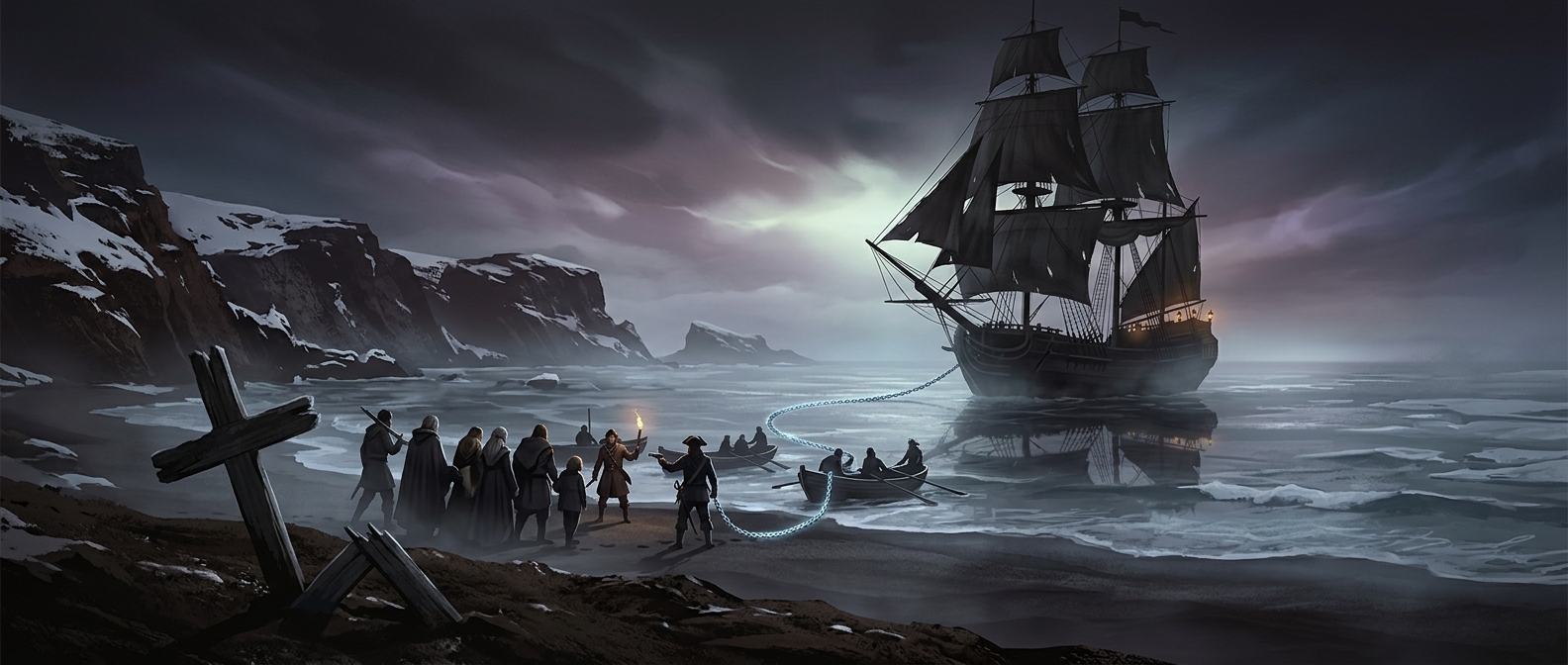
Jeanne’s attacks lasted for years, making her vendetta part of the conflict rather than a single act of retaliation. Her story shows how medieval warfare could blur the line between private revenge and public war: a ruler’s punishment of one noble family could help produce an armed enemy at sea. The execution meant to end a political threat instead helped launch a maritime campaign against France.