A pirate made dangerous by the trade he disrupted
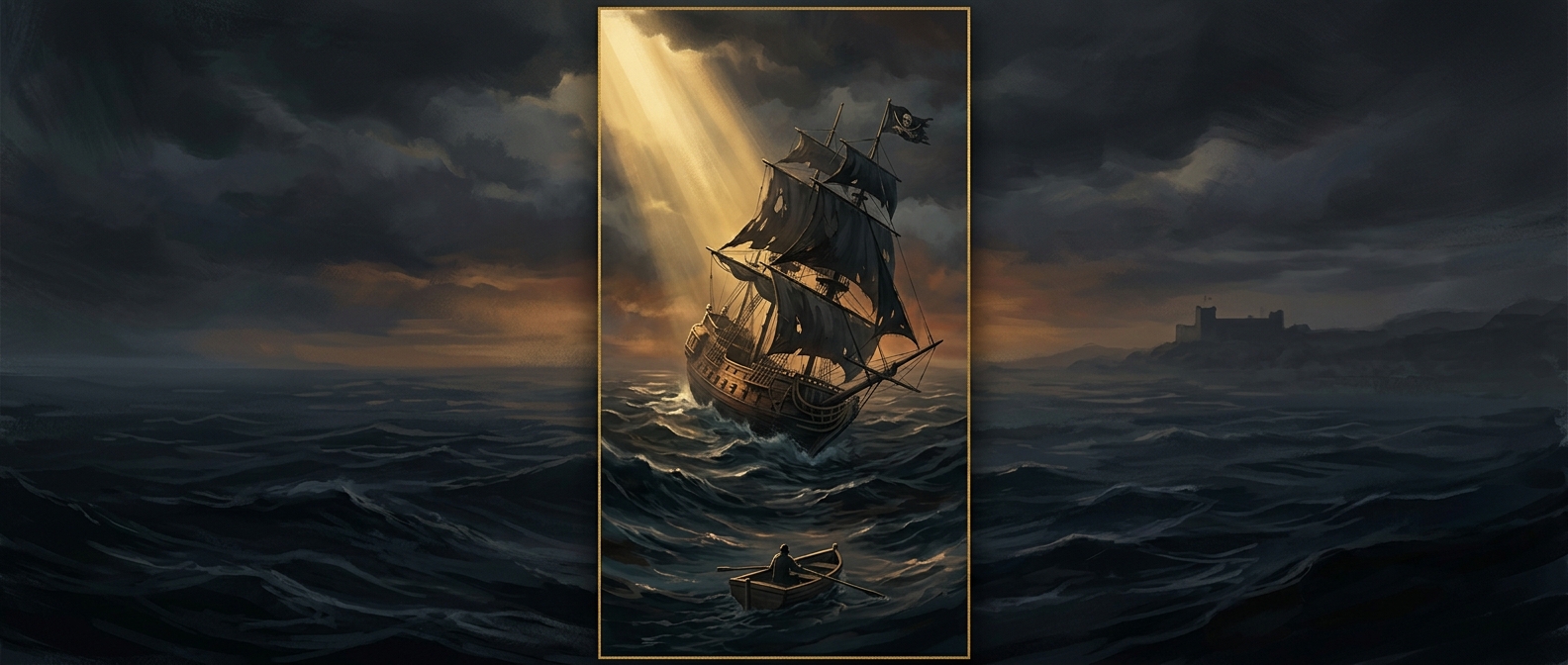
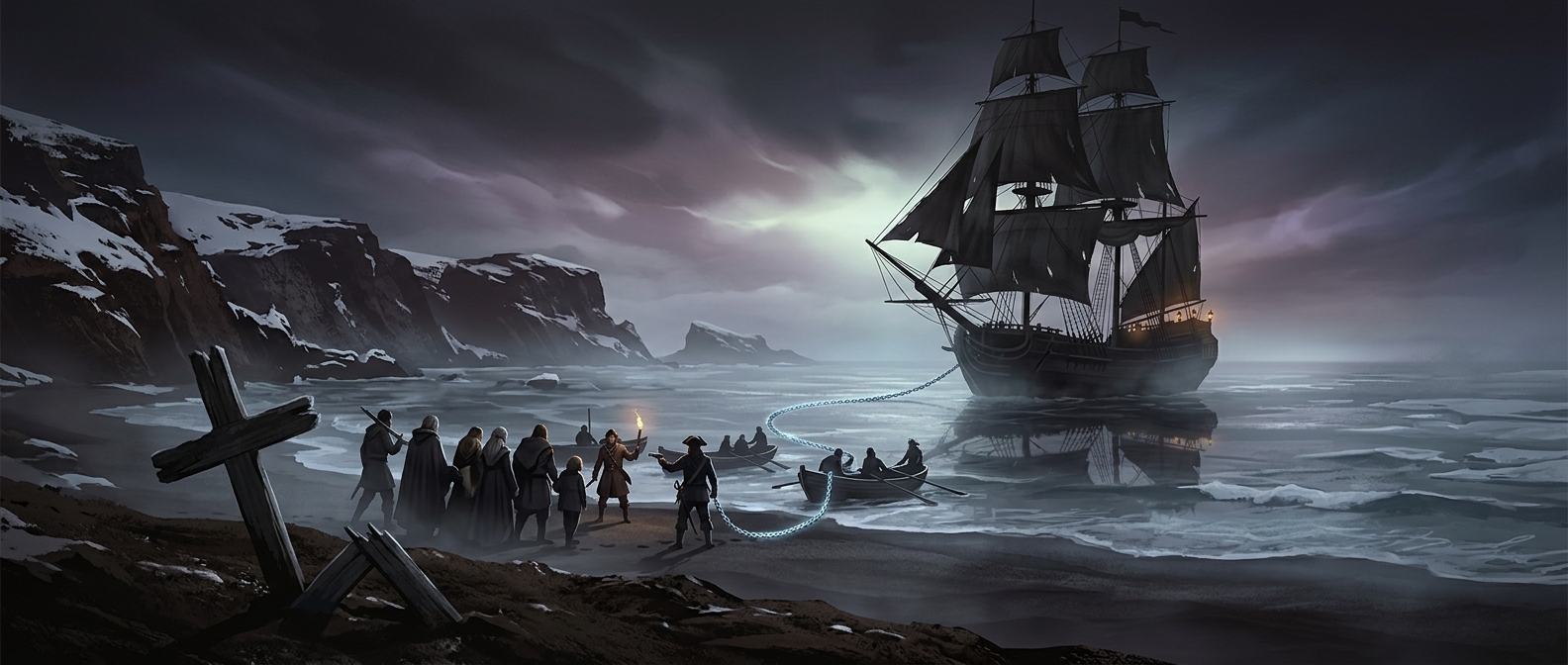
Klaus Störtebeker is remembered as a leader of the Victual Brothers, a seafaring band whose name is linked to a turbulent period when privateering and piracy could blur together. Privateers carried official permission to attack an enemy’s ships; when wars or commissions ended, some crews continued taking cargo at sea. To merchants whose business depended on predictable routes, the distinction offered little comfort.
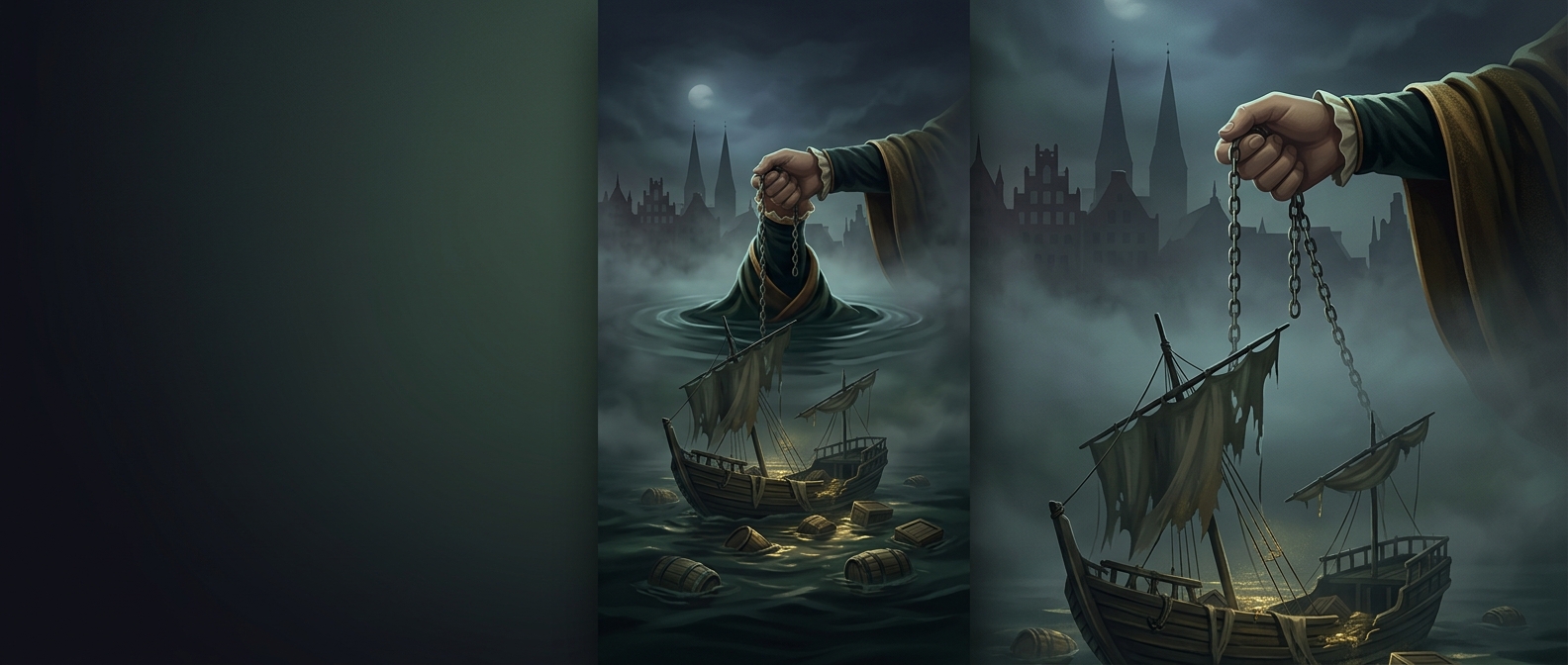
The Hanseatic League was a network of northern European trading towns, not a single kingdom. Its merchants relied on ships moving goods through the Baltic and North Sea. Raids threatened cargoes, raised the risks of sailing, and could undermine the League’s influence over trade. Capturing a notorious raider therefore meant more than punishing one man: it showed that the towns could defend commerce collectively.
Why the headless walk became the story
Störtebeker’s execution in Hamburg is associated with a much larger legend: after his beheading, his body supposedly walked past eleven condemned comrades, winning their freedom, until the executioner stopped it. The tale turns a public punishment into a contest between a pirate’s last act of loyalty and the authorities’ power to enforce a sentence.
The dramatic walk is a legend, not a securely established account of what happened. Its endurance makes sense, though: it gives the captured pirate one final victory, even as the story ends with the city carrying out the executions. The detail worth remembering is the clash behind the spectacle—merchant towns treated control of sea lanes as essential to their survival, and made punishment visible when that control was challenged.