How a raid reached Iceland
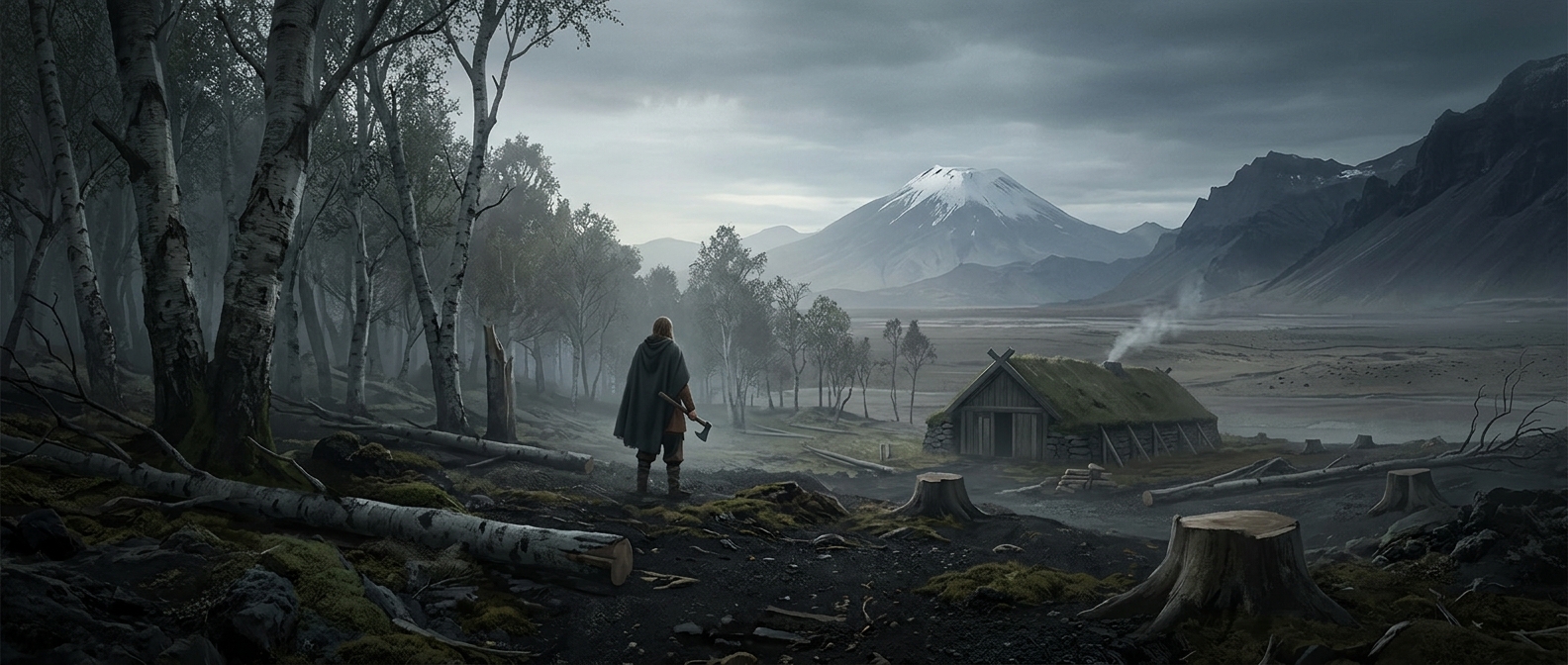
In 1627, Iceland was a remote part of the Danish kingdom, but remoteness did not mean safety at sea. Jan Janszoon—known in North Africa as Murat Reis—commanded corsairs, armed raiders who attacked ships and coastal settlements. Their vessels could travel far from their home ports, and Iceland’s scattered fishing communities had little capacity to resist a sudden landing.
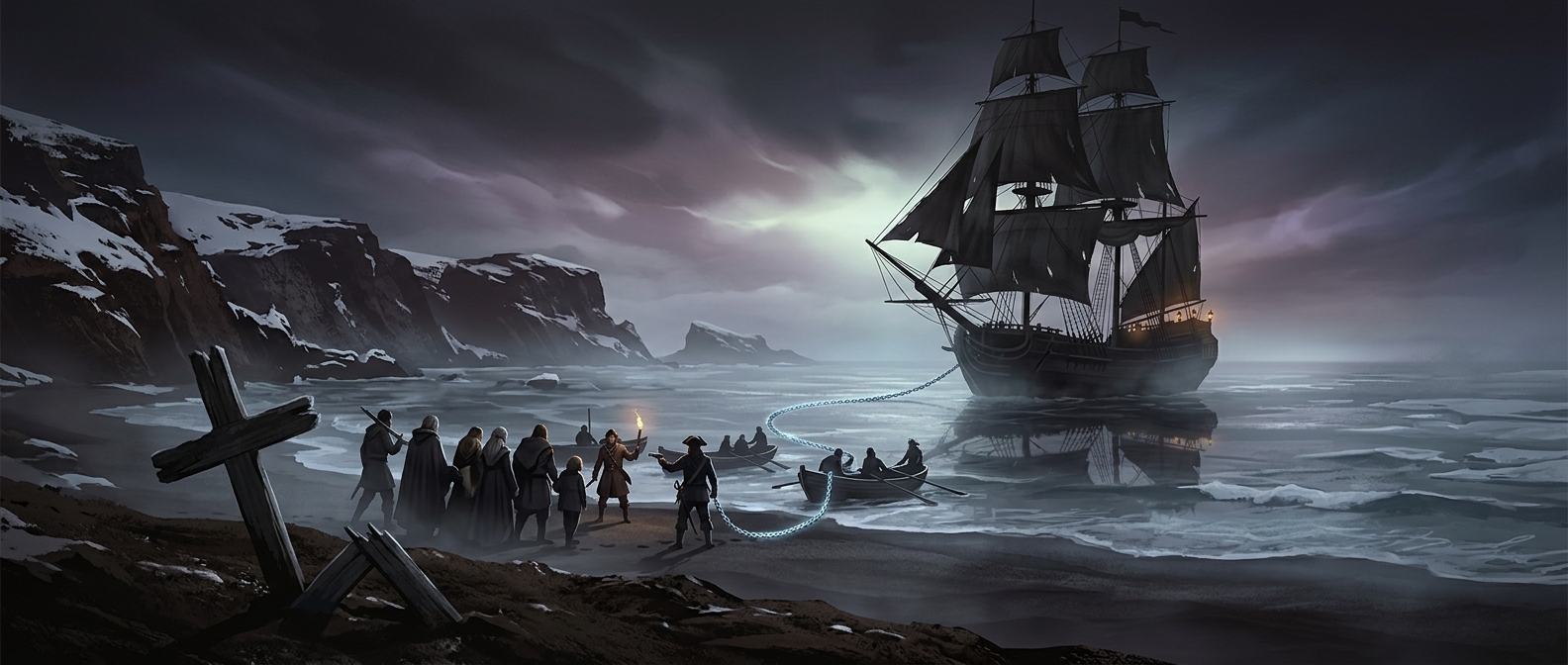
The attackers struck in separate coastal raids. In a small village, the decisive advantage was surprise: people could be seized before help arrived, then taken aboard ships that could leave the island quickly. The distance that made Iceland seem isolated also made it difficult for authorities to respond in time.
From capture to the slave market
The captives were carried south into the North African world of corsairing and slave trading. Enslaved people could be sold, put to work, or held while others sought payment for their release. Families were split apart, and those left behind faced the uncertainty of whether a relative was alive, where they had been taken, or whether they could ever return.
Some captives were eventually released, but recovery depended on circumstances such as ransom and negotiation; there was no reliable rescue system waiting for them. The raid’s lasting shock lay not only in its violence, but in the sudden connection it exposed: a fishing settlement in Iceland could be pulled into a trading network spanning the North Atlantic and North Africa.